

.jpg)
The advantages and disadvantages of high-frequency welding for PVC conveyor belts are as follows:
I. Advantages
1. High welding speed: High-frequency welding can complete the process from internal heating of the material to rapid fusion within seconds, significantly improving production efficiency.
2. No need for third-party welding aids: High-frequency welding directly utilizes high-frequency current to generate heat within the material, eliminating the need for additional welding aids and simplifying the welding process.
.jpg)
3. High weld strength and quality: High-frequency welding produces welds with high strength, good appearance quality, and good repeatability. The weld strength is at least equivalent to, or even stronger than, the surrounding material, ensuring the reliability and durability of the PVC conveyor belt during use.
4. Uniform and precise material heating: By precisely controlling parameters such as high-frequency power, welding time, and pressure, high-precision welding of PVC conveyor belts can be achieved, ensuring uniform heating of the welded area and preventing damage to the outer surface of the material.
5. High tolerance for force during welding: High-frequency welding is relatively tolerant of the force applied to the tooling. Higher pressure can achieve faster welding speeds while maintaining weld quality.
II. Disadvantages
1. Limited Applicable Materials: Not all plastic materials are suitable for high-frequency welding. Materials such as PE and PP do not react to high-frequency welding, limiting its application range.
2. Potential for Sparking: Sparking can occur during high-frequency welding. While it cannot be completely avoided, measures need to be taken to reduce its occurrence, and the mold should be cleaned promptly; otherwise, it may affect the welding quality.
3. High Requirements for Assembly Quality: When continuously high-frequency welding profiles, assembly quality has a significant impact on the welding quality. Any factor that causes a change in the V-shaped opening will affect the welding quality.
4. Safety Risks: The high-voltage part of the power circuit poses a threat to the safety of personnel and equipment, requiring special protective measures. Short Component Lifespan and High Maintenance Costs: The short lifespan of components such as the oscillating tube in the circuit and high maintenance costs increase the overall operating cost.
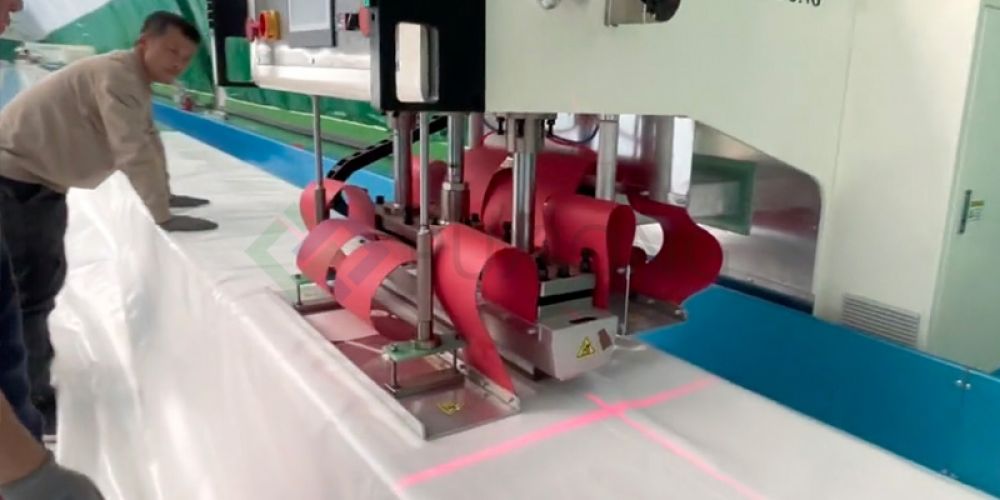
In the field of modern architecture, the construction of large-scale venues requires not only meeting functional…
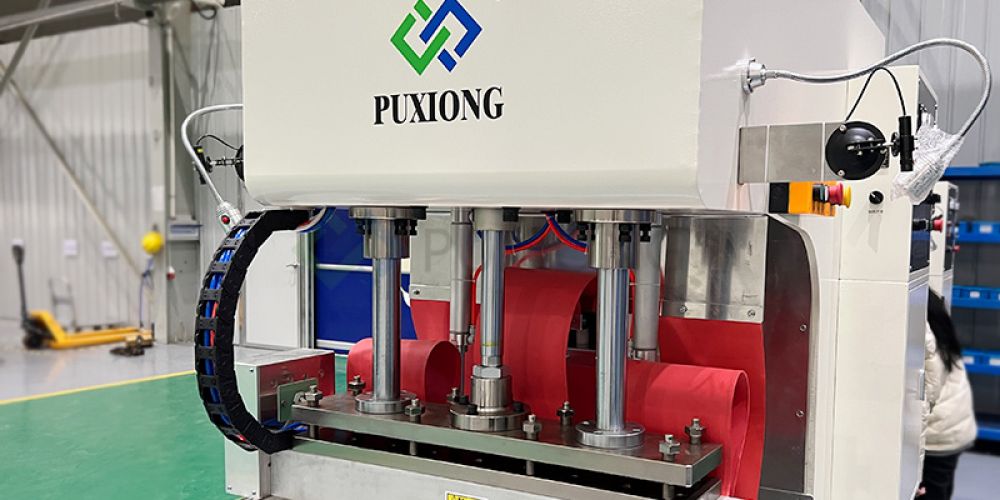
The advantages of high-frequency welding for tensile membrane structures primarily include the following aspects: 1. **Simple…
.jpg)
Welded tensile membrane structures are widely used in landscape architecture and offer significant advantages. The following…

Gas storage bags play a vital role in industrial production by storing gases, regulating pressure, enhancing…
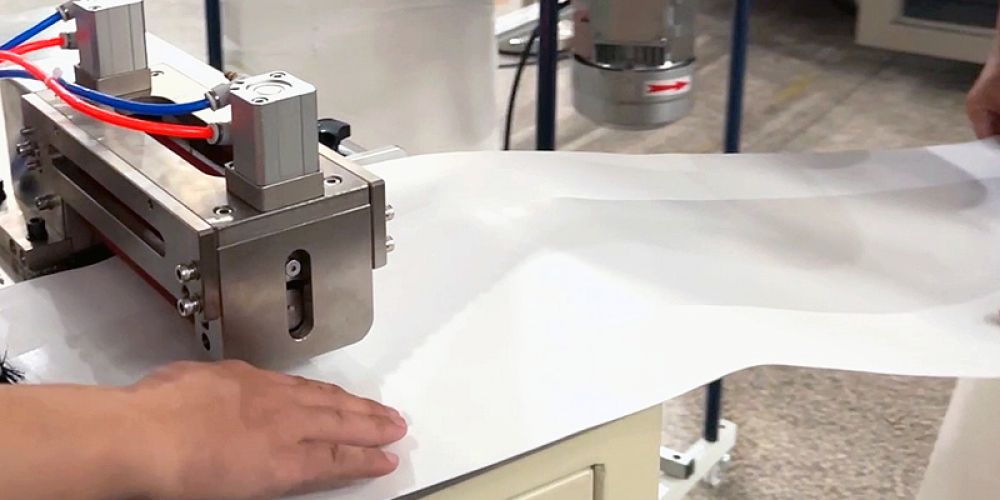
The welding process for PVDF-coated membrane fabrics offers significant competitive advantages over other welding methods, particularly…

I. Application Scenarios for Tensile Membrane Structures Due to their unique mechanical properties and aesthetic versatility…