

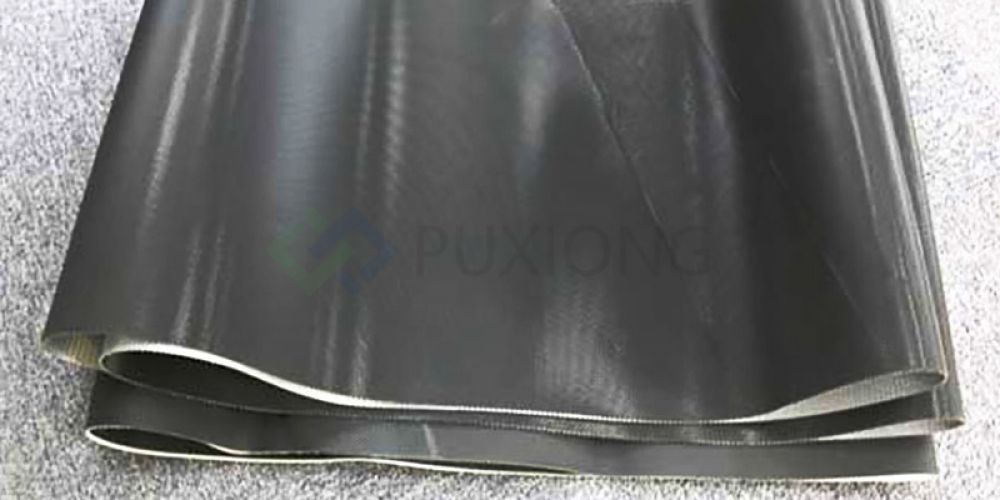
Industrial belts, as core components of transmission and conveying systems, are widely used in equipment across various industries. Their flexibility, wear resistance, and high-efficiency transmission characteristics make them an indispensable part of industrial automation. The following describes typical application scenarios based on their two main functional directions: transmission and conveying:
I. Transmission Application Scenarios
Industrial belts transmit power through friction or tooth meshing, making them suitable for scenarios requiring precise speed control.
1. Mechanical Manufacturing and Automation Equipment
Machine Tools: Drive spindles and feed systems for high-precision cutting.
Packaging Machinery: Drive sealing, labeling, and filling modules to ensure synchronous operation.
Textile Machinery: Drive looms and dyeing equipment for high-speed continuous operation.
2. Agricultural Machinery
Harvesters and Threshing Machines: Transmit power to cutting and threshing components, adapting to complex field environments.
Irrigation Equipment: Drive water pumps and valves for automated control.
3. Automobile Manufacturing
Production Line Assembly Equipment: Drive parts conveying and assembly robots to improve production efficiency.
Engine Test Bench: Transmits power to test components, simulating actual working conditions.
4. Mining and Metallurgical Equipment
Crushers, Ball Mills: Transmit high torque power, adapting to high loads and harsh environments.
Conveyor Drives: Transport ore and metal raw materials, ensuring stable operation.
5. New Energy and Environmental Protection Equipment
Wind Turbines: Drive generator sets, achieving clean energy conversion.
Wastewater Treatment Equipment: Drive agitators and pumps to treat industrial wastewater.
II. Conveying Application Scenarios
Industrial belt conveyors achieve continuous material or personnel transport through surface friction or special structures (such as baffles and skirts), suitable for long-distance, high-load scenarios.
1. Logistics and Warehousing
Sorting Systems: Transport packages to different sorting points, improving logistics efficiency.
Automated Warehouses: Drive stacker cranes and conveyor lines, enabling rapid storage and retrieval of goods.
2. Food Processing and Packaging
Production Line Conveyors: Transport raw materials and semi-finished products to processing and packaging stages, ensuring hygiene and efficiency.
Baking Equipment: Drives baking trays and conveyor belts to achieve continuous production of baked goods such as bread and biscuits.
3. Building Materials and Chemical Industry
Cement Production Line: Transports raw materials to crushing, grinding, and calcination stages, adapting to high-temperature and high-dust environments.
Chemical Equipment: Transports corrosive, flammable, and explosive materials, ensuring safe production.
4. Printing and Paper Industry
Printing Press: Transports paper to printing, cutting, and binding stages, ensuring synchronization and precision.
Paper Making Equipment: Drives pulp and paper conveying, achieving efficient production.
5. Electronics and Semiconductor Manufacturing
SMT Production Line: Transports PCB boards to surface mount and reflow soldering stages, ensuring high precision and cleanliness.
Wafer Transfer Equipment: Transports wafers to inspection and dicing stages, adapting to ultra-clean environments.
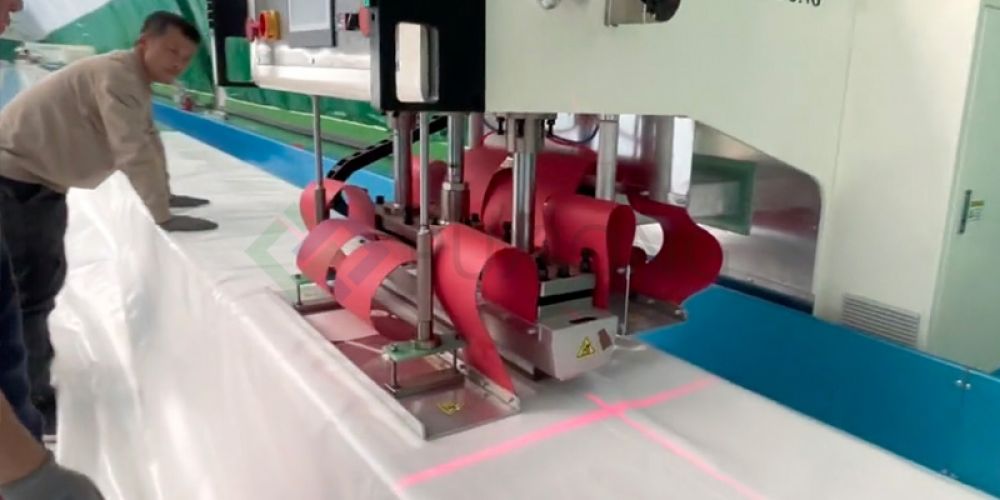
In the field of modern architecture, the construction of large-scale venues requires not only meeting functional…
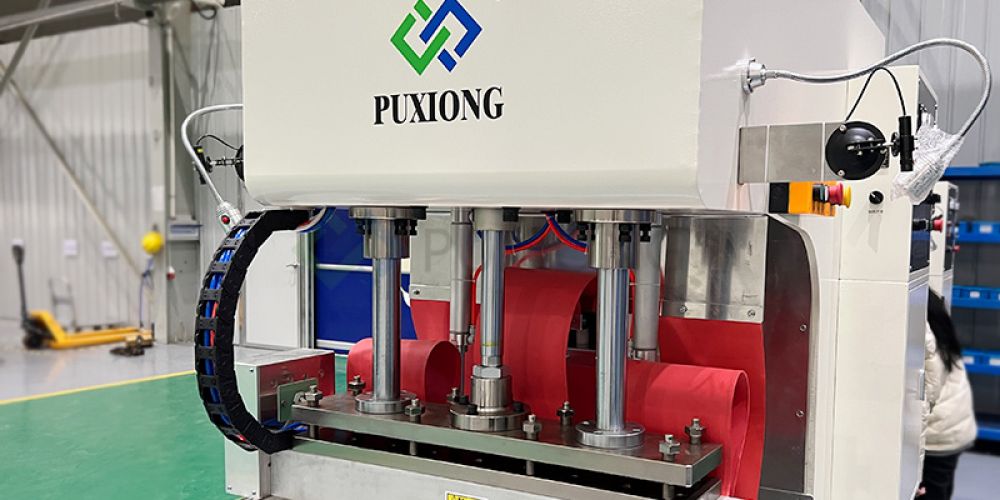
The advantages of high-frequency welding for tensile membrane structures primarily include the following aspects: 1. **Simple…
.jpg)
Welded tensile membrane structures are widely used in landscape architecture and offer significant advantages. The following…

Gas storage bags play a vital role in industrial production by storing gases, regulating pressure, enhancing…
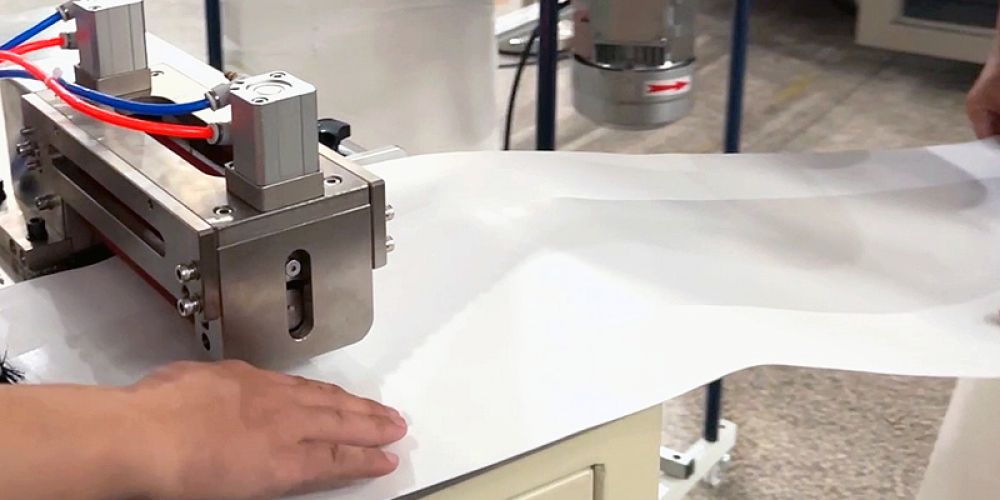
The welding process for PVDF-coated membrane fabrics offers significant competitive advantages over other welding methods, particularly…

I. Application Scenarios for Tensile Membrane Structures Due to their unique mechanical properties and aesthetic versatility…