

.jpg)
The selection of materials for oil booms must consider factors such as strength, corrosion resistance, buoyancy, and environmental adaptability. Besides PVC, the following materials are also widely used in oil boom manufacturing:
I. Rubber Materials
1. Neoprene Rubber (CR)
Characteristics: Oil-resistant, aging-resistant, UV-resistant, high mechanical strength.
Applications: Suitable for complex sea conditions or highly corrosive environments (such as chemical terminals and oil platforms).
Advantages: Better oil resistance than PVC, less prone to deformation over long-term use.
2. Nitrile Rubber (NBR)
Characteristics: Excellent oil resistance (especially to hydrocarbon oils), good abrasion resistance.
Applications: Used for high-concentration oil spill containment, such as waters surrounding oil refineries.
II. Polymer Composite Materials
1. Polyurethane (PU) Coated Fabric
Characteristics: Abrasion-resistant, tear-resistant, chemically resistant, lightweight.
Applications: Lightweight oil booms, suitable for rapid deployment or near-shore waters. Advantages: Adjustable coating thickness, balancing strength and flexibility.
2. Thermoplastic Polyurethane (TPU)
Characteristics: High strength, low-temperature resistance, environmentally friendly (recyclable).
Applications: Oil booms in polar or cold sea areas; also used to manufacture reusable oil booms.
III. Natural and Modified Materials
1. Natural Rubber (NR)
Characteristics: High elasticity, wear-resistant, but poor oil resistance.
Applications: Temporary containment in non-oil-polluted areas (such as freshwater lakes).
Limitations: Easily corroded by oil; requires use in conjunction with other materials.
2. Modified Polyethylene (PE)
Characteristics: Chemically resistant, UV resistant, low cost.
Applications: Economical oil booms, suitable for long-term deployment in marine areas. Limitations: Lower strength; requires compensation through thickening or structural reinforcement.
IV. Metal and Composite Structural Materials
1. Stainless Steel Frame + Flexible Containment
Structure: A stainless steel frame provides support, while flexible materials (such as PVC or rubber) form the containment barrier.
Application: Scenarios requiring high-strength support (such as fast-flowing, high-wave waters).
Advantages: High impact resistance and long service life.
2. Aluminum Alloy Frame + Polymer Fabric
Structure: Lightweight aluminum alloy frame paired with polyester or aramid fabric.
Application: Rapid-response emergency oil booms, easy to deploy by air or manpower.
V. New Environmentally Friendly Materials
1. Bio-based Polymers
Characteristics: Biodegradable and low-pollution, but with lower strength and durability.
Application: Short-term or single-use oil booms, such as in sensitive nearshore waters.
2. Recycled Plastic Composite Materials
Characteristics: Made from waste plastics (such as PE and PP), low cost and environmentally friendly.
Application: Economical oil booms suitable for low-risk waters.
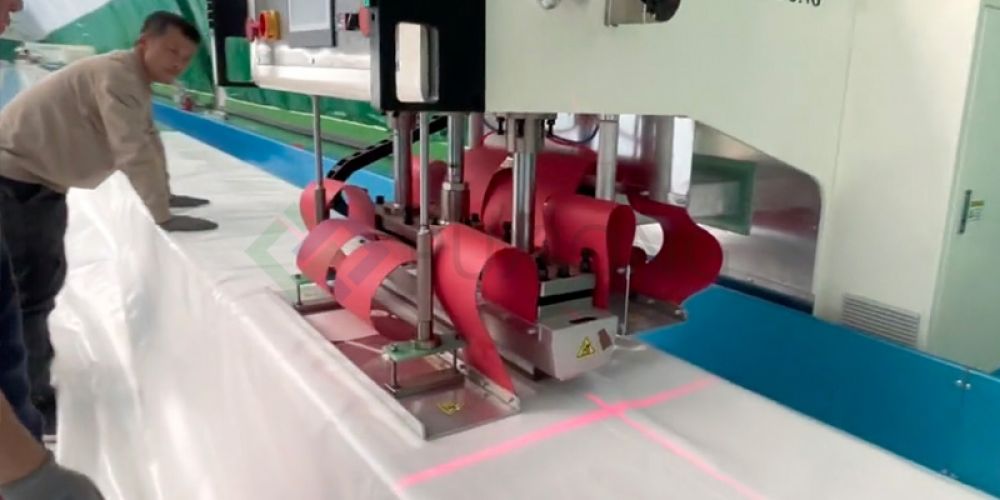
In the field of modern architecture, the construction of large-scale venues requires not only meeting functional…
The advantages of high-frequency welding for tensile membrane structures primarily include the following aspects: 1. **Simple…
.jpg)
Welded tensile membrane structures are widely used in landscape architecture and offer significant advantages. The following…

Gas storage bags play a vital role in industrial production by storing gases, regulating pressure, enhancing…
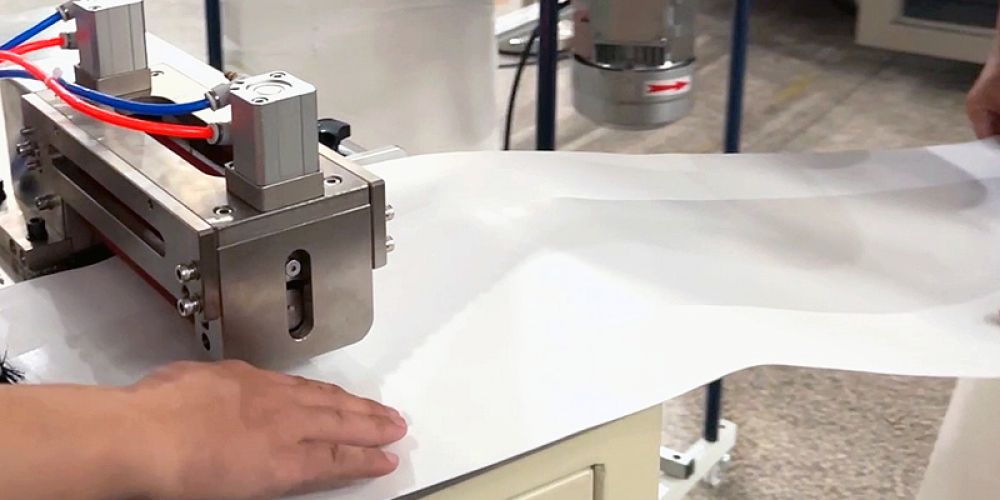
The welding process for PVDF-coated membrane fabrics offers significant competitive advantages over other welding methods, particularly…

I. Application Scenarios for Tensile Membrane Structures Due to their unique mechanical properties and aesthetic versatility…