

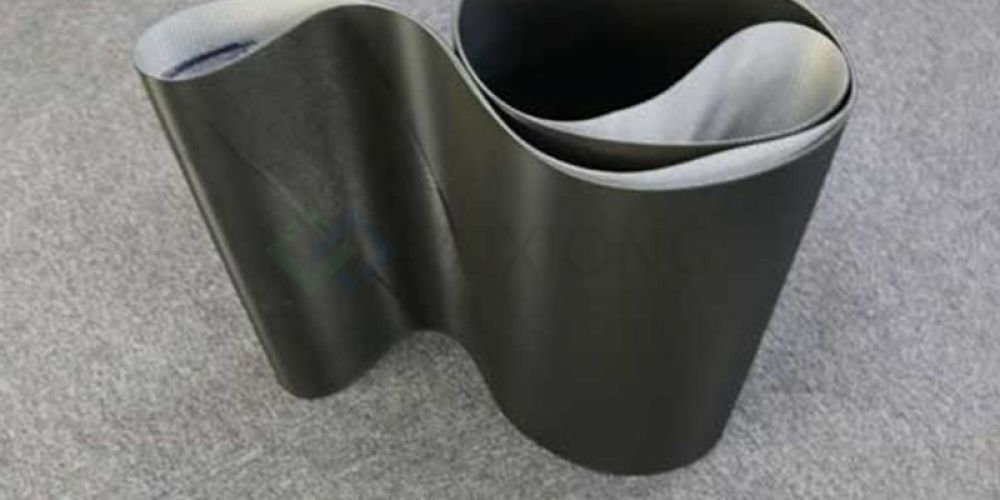
I. Common Welding Methods for PVC Conveyor Belts
1. High-Frequency Welding: This method utilizes high-frequency current to generate heat within the PVC material, causing the material molecules to move violently, heat up, and melt. A connection is achieved under pressure. For example, in the plastic film packaging industry, high-frequency welding is widely used to quickly weld two layers of plastic film together to form a sealed packaging bag. It is fast and efficient, typically completing a weld in seconds; the weld has high strength, good appearance quality, and good repeatability; no additional welding flux is required, simplifying the welding process.
2. Hot Air Welding: This method uses heating equipment such as a hot air gun to heat the connection area of the PVC conveyor belt, softening the PVC material. Pressure is then applied to fuse the two ends together, forming a strong connection after cooling. The equipment cost is relatively low, the operation is relatively simple and easy to master; the material requirements are relatively low, and it is suitable for welding various types of PVC conveyor belts.
II. Advantages of Welding PVC Conveyor Belts for Special Environments
1. High Efficiency: Fast welding speed and high efficiency significantly improve production efficiency. For example, high-frequency welding can complete the weld in seconds, and hot vulcanization jointing can also achieve a strong bond in a short time.
2. Strength: The weld seam formed by welding has high strength, at least comparable to, or even stronger than, the surrounding material. For example, toothed joints are the strongest joint method for PVC conveyor belts, and the bonded joint is evenly stressed.
3. Environmental friendliness: PVC material is recyclable and has low environmental pollution. In industries such as food and pharmaceuticals that require environmentally friendly and non-toxic certifications, cold bonding adhesives for rubber/PVC/PU belts can be used, with no solvent evaporation, avoiding pollution of the production line.
4. Wide adaptability: Welding methods are suitable for PVC conveyor belts of various thicknesses and textures, meeting the needs of different industries and application scenarios. For example, hot melt welding and high-frequency welding can achieve strong connections even in special environments.
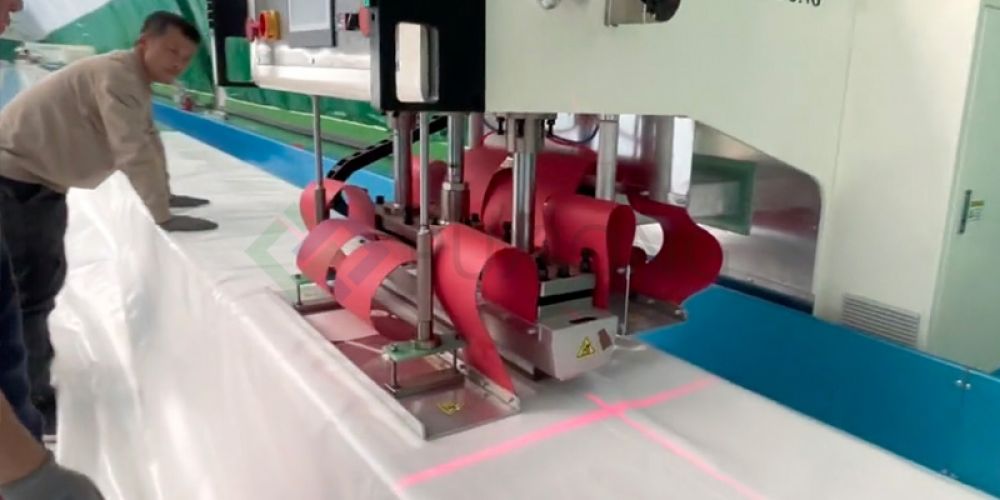
In the field of modern architecture, the construction of large-scale venues requires not only meeting functional…
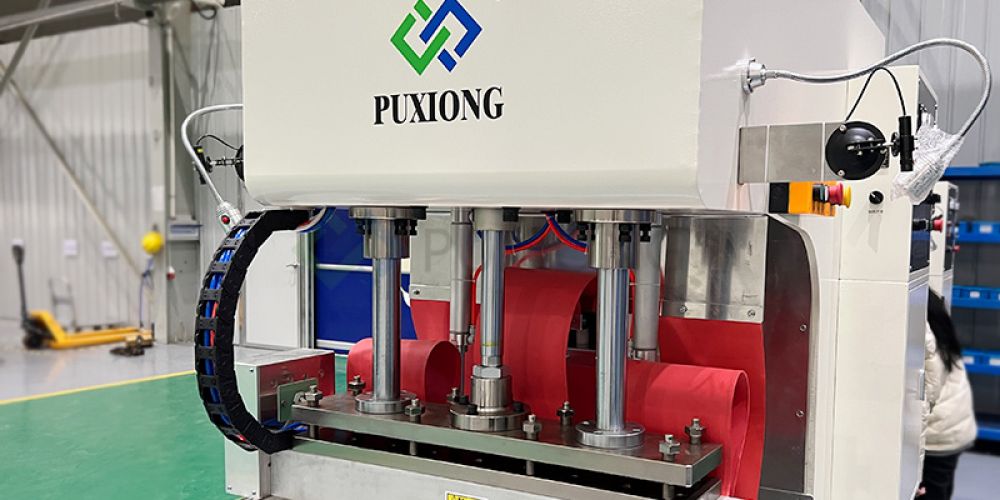
The advantages of high-frequency welding for tensile membrane structures primarily include the following aspects: 1. **Simple…
.jpg)
Welded tensile membrane structures are widely used in landscape architecture and offer significant advantages. The following…

Gas storage bags play a vital role in industrial production by storing gases, regulating pressure, enhancing…
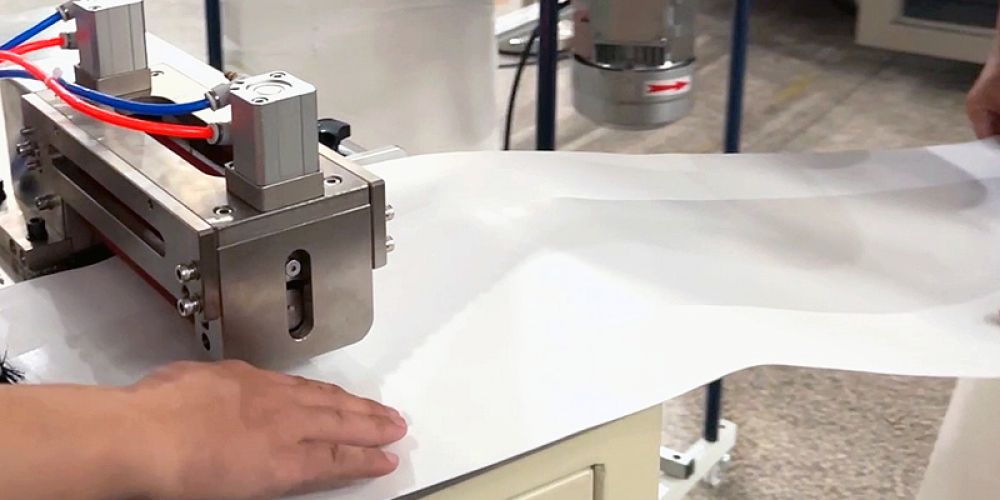
The welding process for PVDF-coated membrane fabrics offers significant competitive advantages over other welding methods, particularly…

I. Application Scenarios for Tensile Membrane Structures Due to their unique mechanical properties and aesthetic versatility…