

I. High-Frequency Welding Principle
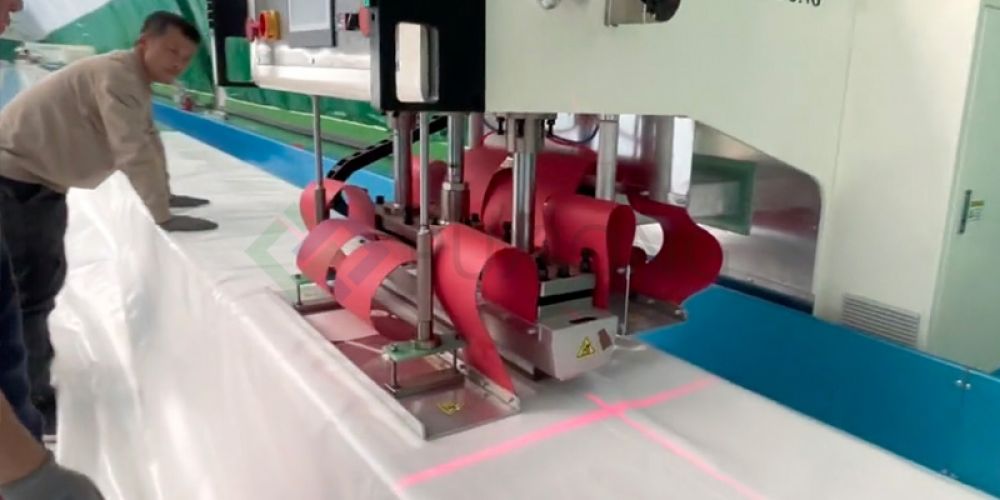
High-frequency welding (dielectric welding) is a technique that utilizes the dielectric hysteresis loss generated within polar materials (such as PVC) under the influence of a high-frequency electric field, achieving welding through molecular frictional heating. Its core principle is as follows:
1. Electric Field Effect: The PVC material to be welded is placed in a high-frequency electric field (typically 27.12MHz or 42MHz), where an alternating current is formed within the material. Polar groups (such as chlorine atoms) in the PVC molecules vibrate violently under the influence of the electric field, generating heat through intermolecular friction, causing the material surface to rapidly heat to a molten state.
2. Pressure Assistance: Simultaneously with high-frequency heating, mechanical pressure is applied to bring the two layers of PVC material into close contact. The molten molecular chains interpenetrate, forming a strong weld. Pressure ensures a uniform weld and prevents overheating or incomplete welds.
3. Cooling and Solidification: After welding, the high-frequency electric field is removed, and the material cools and solidifies under pressure. The weld strength is comparable to or even higher than that of the base material.
4. Technical Advantages
High Efficiency and Energy Saving: Fast welding speed (completed within seconds), low energy consumption.
Stable Quality: Uniform weld seams, no material degradation or deformation caused by external heat sources.
Environmentally Friendly and Safe: No solvents or adhesives required, no pollution emissions.
II. Application of High-Frequency Welding in PVC Oil Bollards
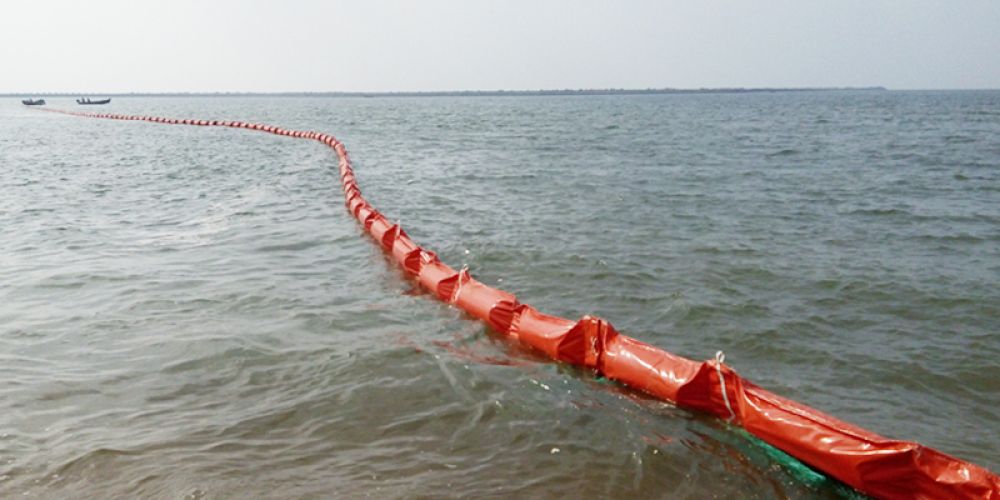
PVC oil booms are key equipment for marine oil spill emergency response. High-frequency welding technology, due to its high efficiency and reliability, is widely used in oil boom manufacturing.
1. Application Scenarios
Main Body Welding: Welding high-strength PVC-coated fabric (such as polyester cloth) into the boom body to ensure sealing and strength.
Joint and Accessory Connection: Welding the floats, counterweight chains, quick couplings, and other accessories of the oil boom to ensure the stability of the overall structure.
Repair and Maintenance: Local welding repair of damaged oil booms to extend service life.
2. Typical Process Flow
Material Preparation: Cutting PVC-coated fabric to ensure dimensional accuracy.
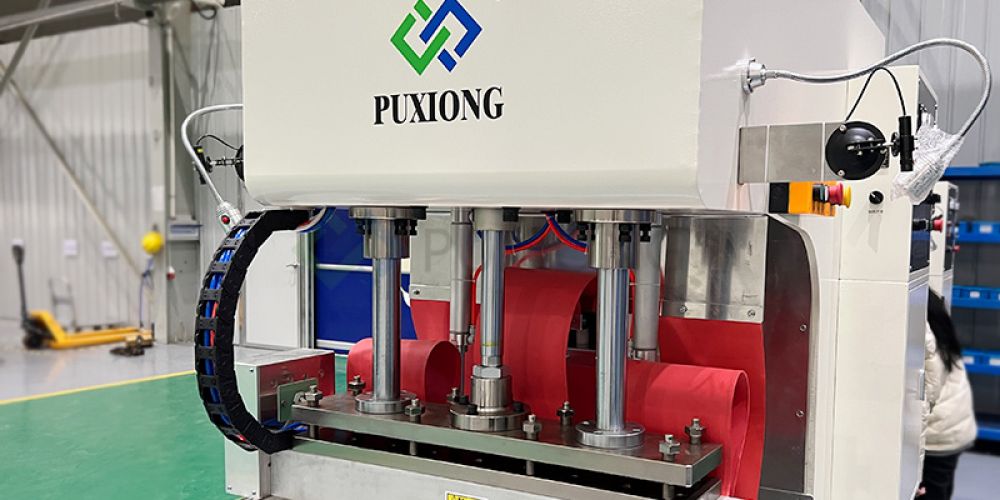
High-frequency welding: Using a specialized high-frequency welding machine, with appropriate power, pressure, and welding time set, the boom assembly is completed.
Quality inspection: The weld quality is verified through methods such as airtightness testing and tensile testing.
Finished product assembly: Floats, counterweight chains, and other accessories are installed to form a complete oil boom.
3. Technical Requirements
Weld strength: Must meet the tensile and tear resistance requirements of the oil boom under complex sea conditions.
Sealing performance: Ensure no leakage from the welds to prevent oil spills.
Weather resistance: The welds must possess UV resistance and seawater corrosion resistance comparable to the base material.
In the field of modern architecture, the construction of large-scale venues requires not only meeting functional…
The advantages of high-frequency welding for tensile membrane structures primarily include the following aspects: 1. **Simple…
.jpg)
Welded tensile membrane structures are widely used in landscape architecture and offer significant advantages. The following…

Gas storage bags play a vital role in industrial production by storing gases, regulating pressure, enhancing…
The welding process for PVDF-coated membrane fabrics offers significant competitive advantages over other welding methods, particularly…

I. Application Scenarios for Tensile Membrane Structures Due to their unique mechanical properties and aesthetic versatility…