

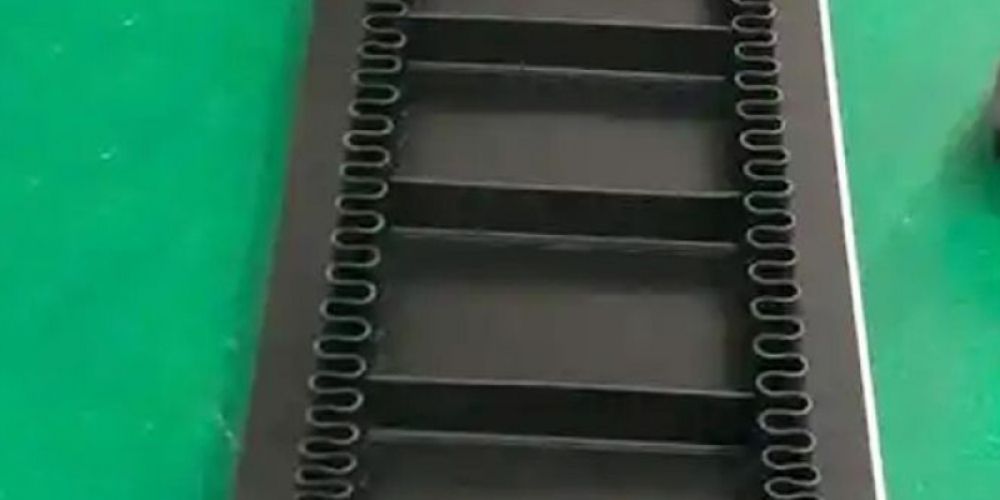
In industrial applications, conveyor belts can be categorized into high-temperature and low-temperature types based on the temperature ranges they can withstand. Below is a detailed introduction to these two categories:
I. High-Temperature Conveyor Belts
High-temperature conveyor belts are primarily used for transporting materials in high-temperature environments; they can withstand elevated temperatures without suffering performance degradation or damage. Common types include:
1. Heat-resistant conveyor belts: These belts are typically made from specialized materials such as PVC, PU, or silicone, offering excellent high-temperature resistance. They maintain stable physical and chemical properties in high-temperature environments, ensuring smooth material transport. While standard PVC and PU belts generally operate between -10°C and +80°C, specific high-temperature versions can withstand higher temperatures.
2. Felt heat-resistant conveyor belts: Featuring a wool-covered surface, these belts offer oil resistance and breathability, making them ideal for the protective transport of glass. The base layer consists of wear-resistant material that enhances tensile strength; these belts can also be customized to specific requirements. Capable of withstanding temperatures up to approximately 480°C, they are suitable for industries such as automotive manufacturing, precision ceramics, electronics, and circuit board production, where scratch-free handling and high-temperature resistance are required.
3. Teflon heat-resistant conveyor belts: Suitable for environments ranging from -70°C to 260°C, these belts offer excellent weather and aging resistance. They retain their strength and weight even after 200 days of continuous use at 250°C; after exposure to 350°C for 120 hours, their weight decreases by only about 0.6%.
4. Silicone heat-resistant conveyor belts: These belts are suitable for various high-temperature transport applications, including conveyors handling sticky materials like sugary foods. Capable of withstanding temperatures up to 220°C, they are frequently used in facilities such as airports, post offices, and warehouses.
II. Low-Temperature Conveyor Belts
Low-temperature conveyor belts are primarily designed for transporting materials in low-temperature environments, capable of withstanding cold conditions without compromising performance. Common types of low-temperature conveyor belts include:
1. Cold-resistant conveyor belts: These belts utilize cotton, nylon, or polyester canvas as the carcass material, while the cover rubber is composed of a blend of polybutadiene rubber (known for excellent low-temperature performance) and natural rubber (known for outstanding weather resistance). They feature excellent cold resistance, high elasticity, and strong impact and abrasion resistance, allowing for long-term operation in environments as cold as -40°C. They are primarily used in applications such as mining operations in northern regions or high-altitude areas and coal transport. These belts can be further categorized based on specific cover rubber properties and the degree of cold resistance.
2. Low-temperature light-duty conveyor belts: These belts are primarily used in sectors such as food processing, meat freezing, fresh-chilled seafood handling, and the production of quick-frozen foods. Belts used in these applications must meet food-grade standards. For instance, Volta has developed a belt capable of withstanding temperatures ranging from -45°C to 55°C; suitable for the vast majority of low-temperature environments, it holds certifications from the US FDA and USDA as well as the EU, complying with food- and pharmaceutical-grade requirements.
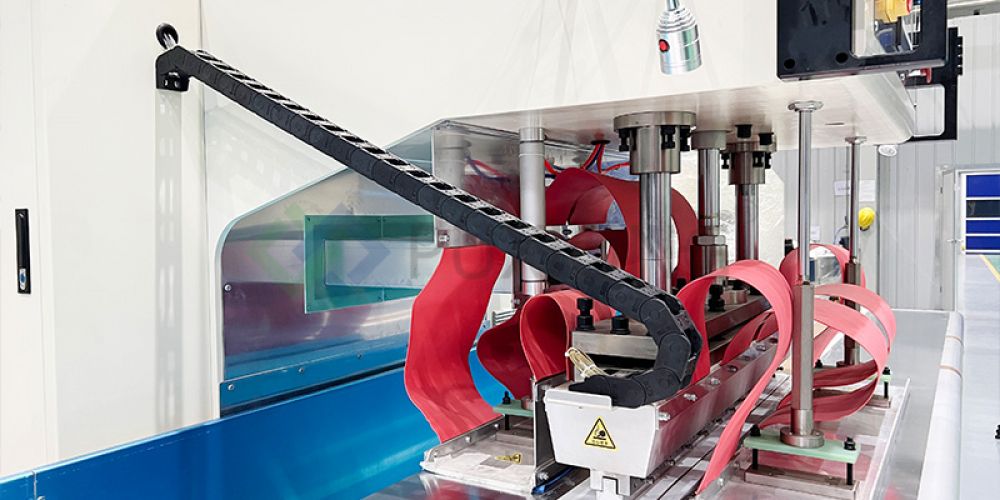
High-frequency welding technology is a key process in tent manufacturing. It achieves precise welding of plastic…
.png)
High-frequency welding and hot air welding for tents differ significantly in principle, applicability, efficiency, and finished…

I. Fuel Tanks Revolutionize Energy Transportation 1. Flexible Transportation, Overcoming Spatial Limitations Traditional energy transportation methods…
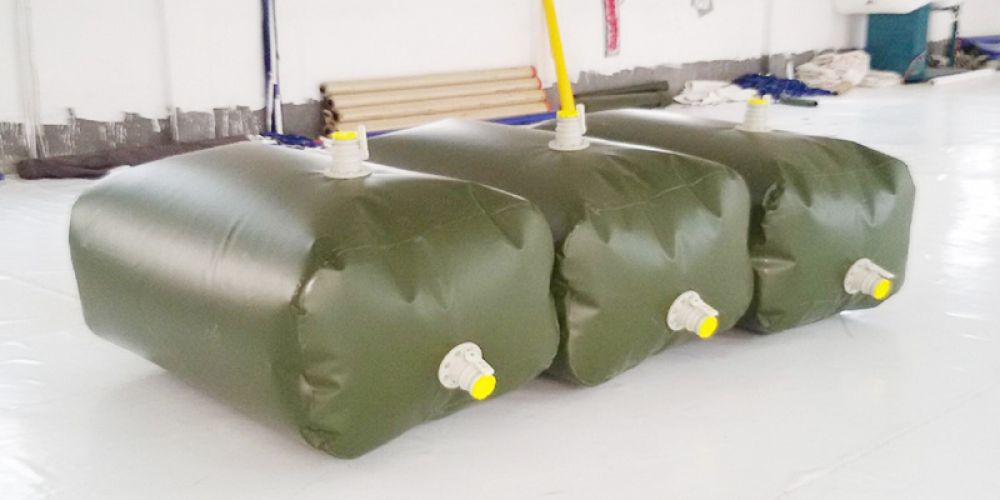
I. Principle of High-Frequency Welding of Oil Bladders High-frequency welding utilizes the skin effect and proximity…
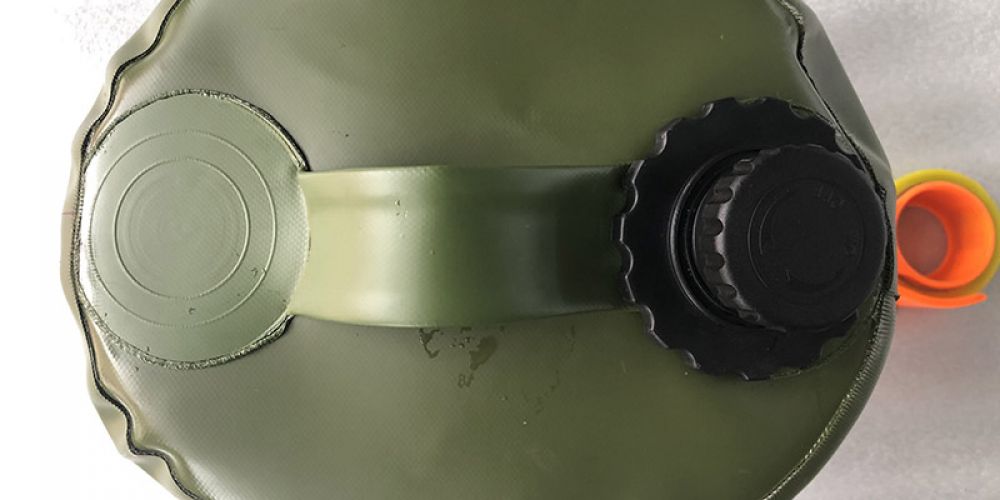
Fuel bladders provide a solid defense for energy transportation safety, primarily due to their material properties…
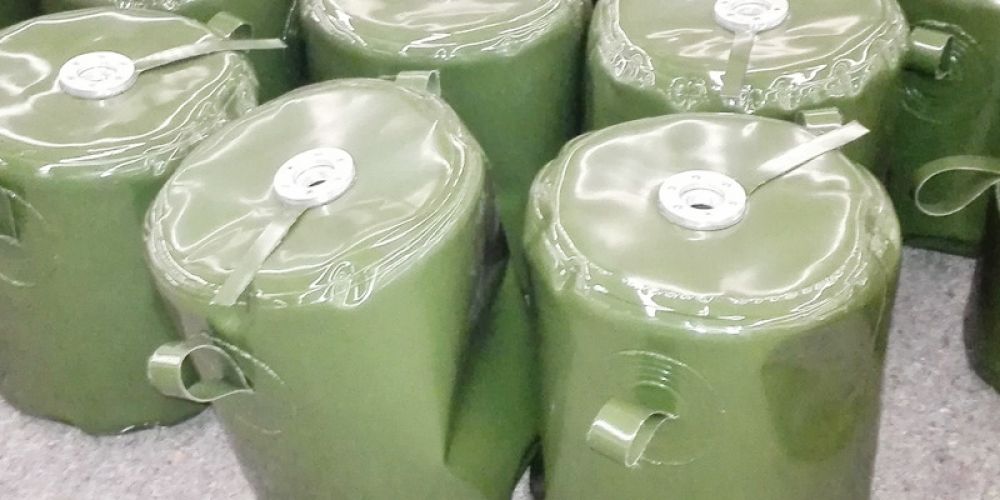
Oil bladders, acting as the "invisible guardians" behind energy transportation, exhibit unique advantages in materials, design…