

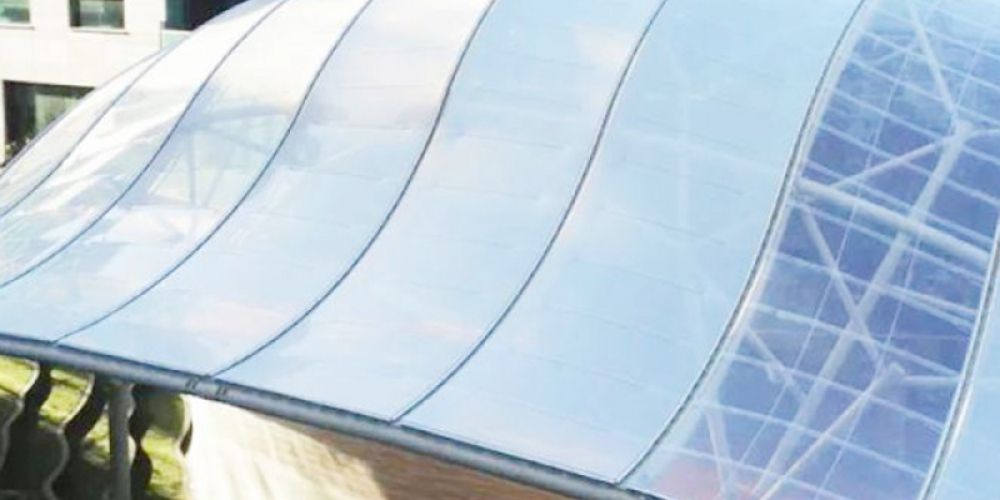
I. Introduction
ETFE (ethylene-tetrafluoroethylene copolymer) membrane material, as a high-performance fluoroplastic film material, is widely used in construction, chemical, and electrical/electronic fields due to its excellent light transmittance, weather resistance, lightweight, and chemical corrosion resistance. This report aims to comprehensively analyze the performance characteristics of ETFE membrane materials, providing a scientific basis for their application in related fields.
II. Basic Properties of ETFE Membrane Materials
1. Physical Properties
Thickness and Weight: The thickness of ETFE membrane materials is typically between 50 and 300 micrometers, and its weight is approximately 1% of that of a glass sheet of the same size, exhibiting a significant advantage in lightweight design.
Light Transmittance: Single-layer transparent ETFE membrane materials have a light transmittance of up to 95%, comparable to glass. The light transmittance can also be adjusted through printed patterns.
Color and Appearance: ETFE membrane materials are usually colorless and transparent, but can also be made in white or other colors to meet different architectural aesthetic requirements.
2. Mechanical Properties
Tensile Strength: The tensile strength of ETFE membrane materials is greater than 40 MPa, capable of withstanding large tensile forces without being damaged.
Elongation at Break: The elongation at break can reach over 300%, exhibiting extremely high ductility and toughness.
Stress-Strain Relationship: At room temperature, when the tensile stress is below 20 MPa, the ETFE membrane material exhibits perfectly elastic properties; a yield point may appear near 25 MPa, followed by a plastic strengthening stage.
3. Thermal Properties
Melting Point and Heat Resistance: The melting point of the ETFE membrane material is approximately 260℃, with a wide operating temperature range (-200℃ to 150℃), enabling it to adapt to extreme climatic conditions.
Insulation Performance: By controlling the air volume, the ETFE air cushion structure can achieve excellent insulation performance, with a heat transfer coefficient reaching up to 2.0 W/(m²·K).
4. Weather Resistance and Chemical Corrosion Resistance
Weather Resistance: The ETFE membrane material has excellent anti-aging capabilities, and will not show signs of aging, discoloration, or brittleness after long-term exposure to the environment. Its service life is typically over 25 years.
5. Chemical Corrosion Resistance: Resistant to various chemical substances, suitable for harsh environments such as chemical plants.
6. Fire Resistance: ETFE membrane material meets the B1 flame retardant standard, with a critical oxygen index of 32%, higher than the atmospheric oxygen concentration. It produces no dripping during combustion, minimizing secondary hazards to the underlying structure and personnel.
7. Self-Cleaning Properties: ETFE membrane material has a smooth surface, is non-adhesive, and highly stain-resistant. Dust and stains can be naturally removed by rainwater, reducing maintenance costs.
III. Application Advantages of ETFE Membrane Material
1. Construction Industry
Large-Span Structures: ETFE membrane material is lightweight and high-strength, suitable for large-span building roofs and walls, such as stadiums and exhibition halls.
Energy Saving and Environmental Protection: High light transmittance effectively utilizes natural light, reducing the need for artificial lighting; good thermal insulation performance reduces air conditioning energy consumption.
Combination of Aesthetics and Functionality: Light transmittance can be adjusted through printed patterns, achieving a perfect combination of architectural aesthetics and functionality.
2. Other Applications
Chemical Industry: Its resistance to chemical corrosion makes it suitable for linings and piping in chemical equipment.
Electrical/Electronic Industry: Its excellent electrical properties make it suitable for use as insulation for wires and cables.
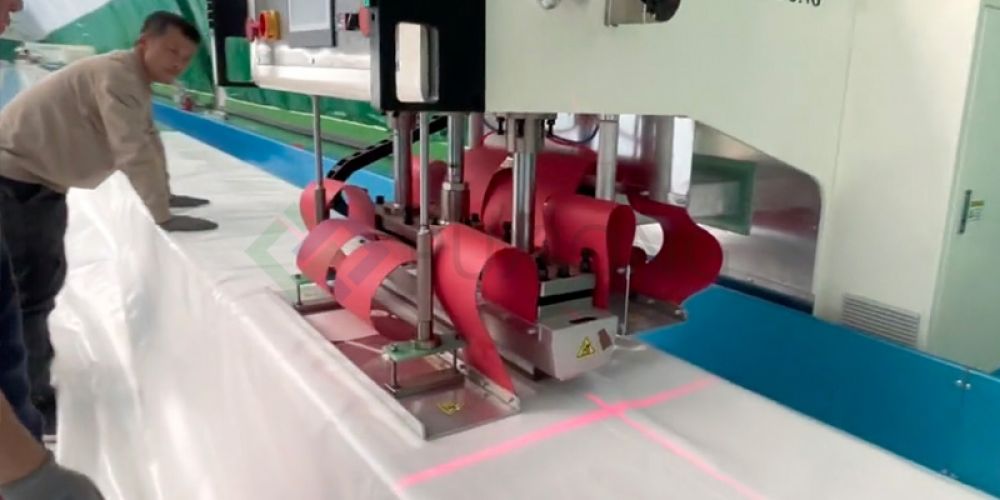
In the field of modern architecture, the construction of large-scale venues requires not only meeting functional…
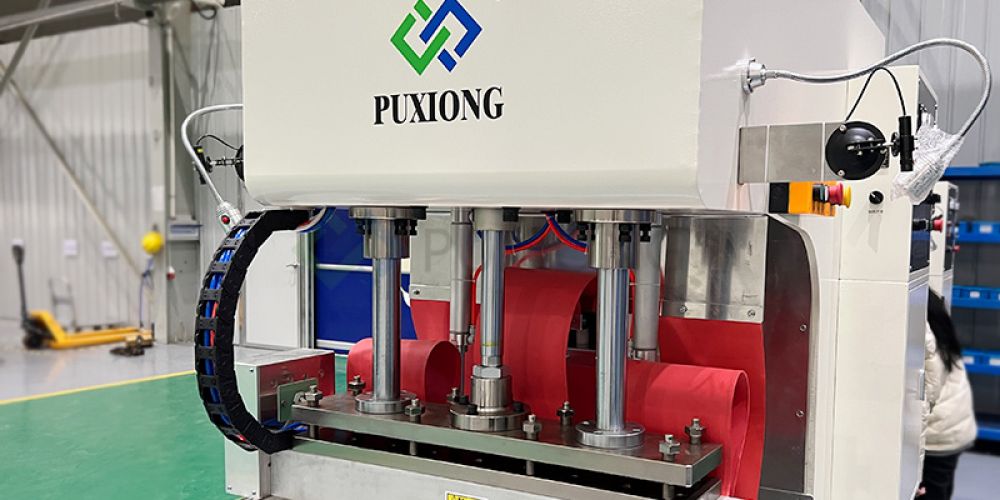
The advantages of high-frequency welding for tensile membrane structures primarily include the following aspects: 1. **Simple…
.jpg)
Welded tensile membrane structures are widely used in landscape architecture and offer significant advantages. The following…

Gas storage bags play a vital role in industrial production by storing gases, regulating pressure, enhancing…
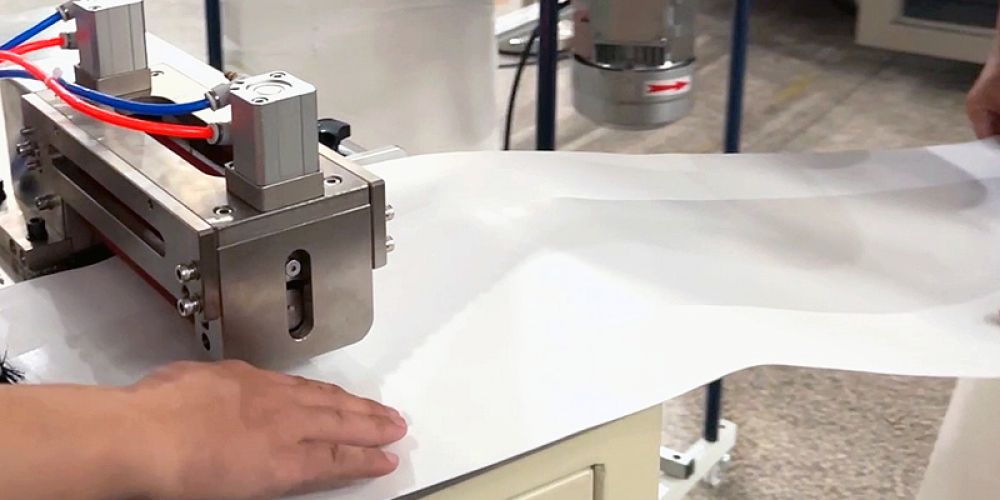
The welding process for PVDF-coated membrane fabrics offers significant competitive advantages over other welding methods, particularly…

I. Application Scenarios for Tensile Membrane Structures Due to their unique mechanical properties and aesthetic versatility…