

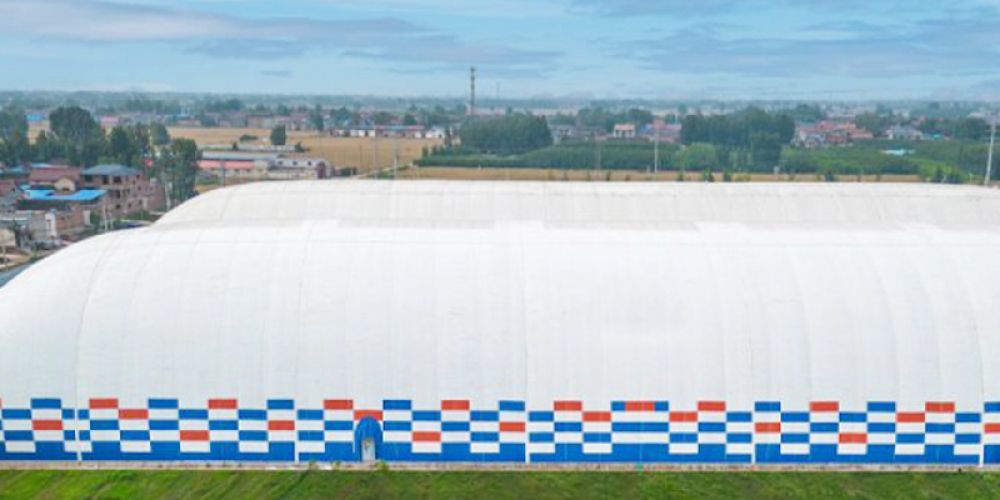
I. Introduction
PTFE (polytetrafluoroethylene) membrane materials are widely used in sectors such as chemical engineering, environmental protection, and architecture due to their excellent chemical corrosion resistance, high-temperature resistance, and low coefficient of friction. However, PTFE's low thermal conductivity and high hardness often lead to issues such as insufficient weld strength and thermal damage during the heat-press welding process. Addressing these challenges, this paper investigates the innovative application of "cold-hot switching blade" technology, aiming to enhance the welding quality and efficiency of PTFE membrane materials.
II. Challenges in Heat-Press Welding of PTFE Membrane Materials
1. Low Thermal Conductivity: PTFE has extremely low thermal conductivity, making it difficult to transfer heat evenly during welding and prone to localized overheating or underheating. Traditional heat-sealing methods struggle to precisely control welding temperatures, resulting in inconsistent weld strength.
2. High Hardness: PTFE's high hardness necessitates higher pressure during welding, which can easily cause material deformation or cracking. Traditional welding equipment is often ill-suited to PTFE's hardness, leading to low welding efficiency.
3. Thermal Damage to Material: PTFE is prone to thermal decomposition at high temperatures, releasing toxic gases and compromising the material's mechanical properties. Traditional heat-sealing methods often cause thermal damage, thereby affecting weld quality.
III. Innovative Application of Cold-Hot Switching Blade Technology
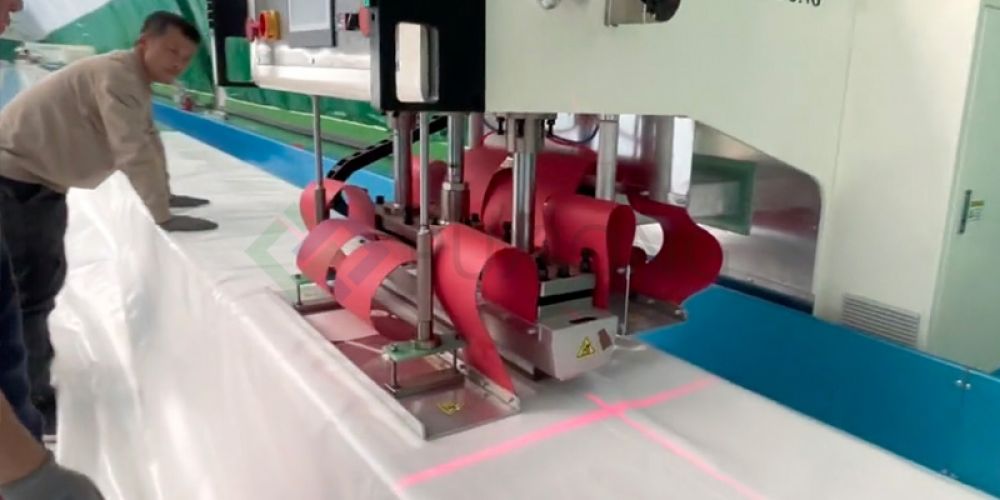
1. Technical Principle: Cold-hot switching blade technology achieves alternating heating and cooling during the welding process by rapidly toggling the temperature of the welding blade. In the initial welding stage, the blade is heated to a high temperature to soften the PTFE material; in the final stage, the blade cools rapidly to set the weld joint and minimize thermal damage.
2. Process Advantages
Enhanced Weld Strength: The alternating heating and cooling process promotes the diffusion and bonding of PTFE molecules, thereby improving the mechanical properties of the weld joint.
Reduced Material Damage: Rapid cooling shortens the material's exposure time to high temperatures, lowering the risk of thermal damage.
Increased Welding Efficiency: Cold-hot switching blade technology enables automated control of the welding process, resulting in higher welding efficiency.
In the field of modern architecture, the construction of large-scale venues requires not only meeting functional…
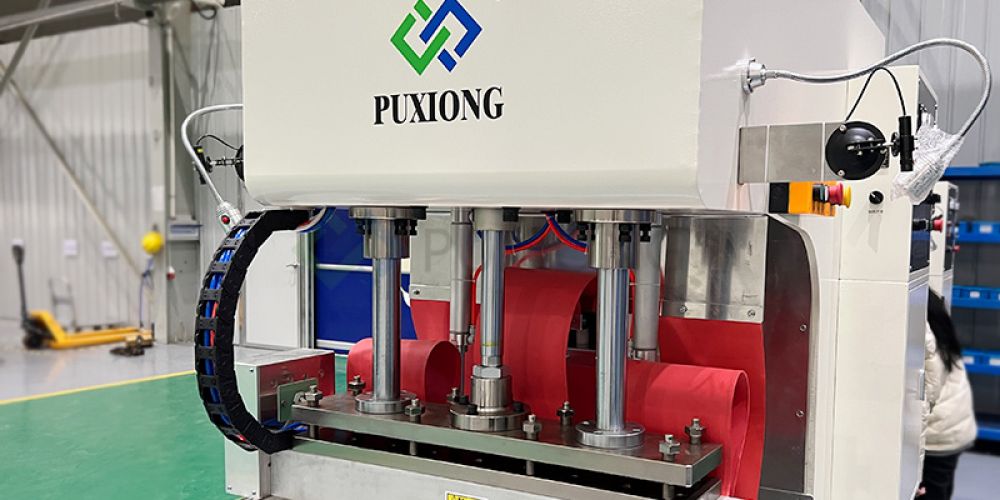
The advantages of high-frequency welding for tensile membrane structures primarily include the following aspects: 1. **Simple…
.jpg)
Welded tensile membrane structures are widely used in landscape architecture and offer significant advantages. The following…

Gas storage bags play a vital role in industrial production by storing gases, regulating pressure, enhancing…
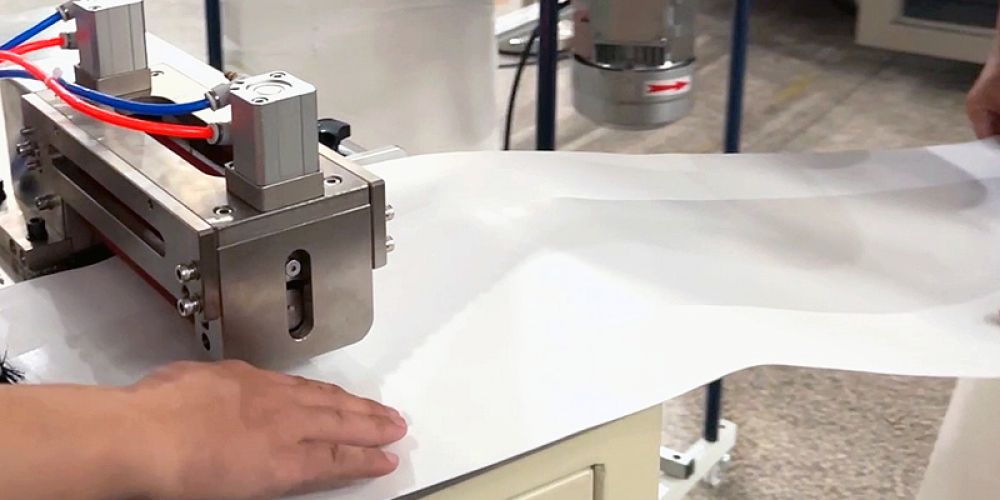
The welding process for PVDF-coated membrane fabrics offers significant competitive advantages over other welding methods, particularly…

I. Application Scenarios for Tensile Membrane Structures Due to their unique mechanical properties and aesthetic versatility…