

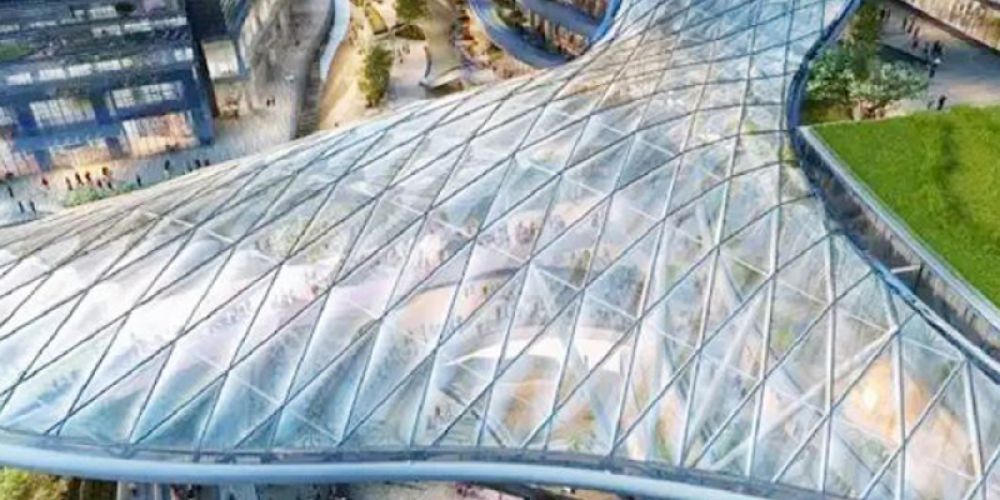
ETFE membrane materials, with their superior comprehensive performance, demonstrate irreplaceable advantages in multiple fields. The following provides a systematic supplement across six major areas: architecture, industry, energy, agriculture, transportation, and special applications, combined with specific case studies and performance matching analysis:
I. Architecture
1. Large-Span Public Buildings
Application Scenarios: Structures requiring large, column-free spaces, such as stadiums, exhibition centers, and airport terminals.
2. Lightweight Roofs and Curtain Walls
Application Scenarios: Scenarios requiring a balance between light transmission and lightweight construction, such as commercial complexes and greenhouses.
3. Movable and Temporary Buildings
Application Scenarios: Scenarios requiring rapid assembly and disassembly, such as temporary exhibition halls and emergency shelters.
Advantages: ETFE membrane materials are foldable, lightweight, and offer installation efficiency more than 50% higher than traditional materials.
II. Industry
1. Chemical Corrosion Protection
Application Scenarios: Linings for chemical storage tanks, pipelines, and reactors, resisting corrosion from strong acids and alkalis.
2. Semiconductor and Electronics Manufacturing
Application Scenarios: Cleanroom partitions, equipment protective covers, preventing particulate contamination and chemical corrosion.
Advantages: ETFE membrane material has a smooth surface, low coefficient of friction, is easy to clean, and is resistant to semiconductor process gases such as hydrogen fluoride.
III. Energy Sector
1. Photovoltaic Power Generation
Application Scenarios: Photovoltaic module encapsulation material, replacing traditional glass and backsheets.
2. Solar Collectors
Application Scenarios: Transparent cover plates for flat-plate solar collectors, improving photothermal conversion efficiency.
Advantages: The UV stability and weather resistance of ETFE membrane material ensure long-term outdoor use of the collector.
IV. Agriculture Sector
1. Modern Agricultural Greenhouses
Application Scenarios: High-end vegetable and flower cultivation greenhouses, regulating light, temperature, and humidity.
2. Aquaculture
Application Scenarios: Covering material for marine ranches and recirculating aquaculture systems, resisting seawater corrosion and UV radiation.
Advantages: The salt spray resistance and self-cleaning properties of ETFE membrane material reduce maintenance frequency.
V. Transportation Sector
1. Rail Transit Application Scenarios: High-speed rail station platform canopies, light rail vehicle roofs, achieving lightweight and high light transmittance.
2. Aerospace
Application Scenarios: Aircraft windows, satellite solar panel protective layers, requiring high strength and low density.
Advantages: ETFE film material's radiation resistance and low-temperature resistance (-200℃) meet the requirements of the space environment.
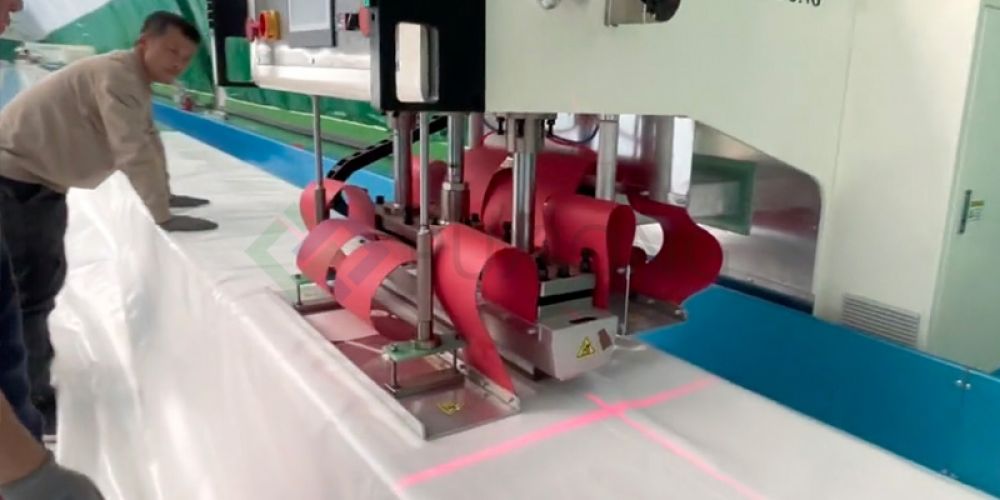
In the field of modern architecture, the construction of large-scale venues requires not only meeting functional…
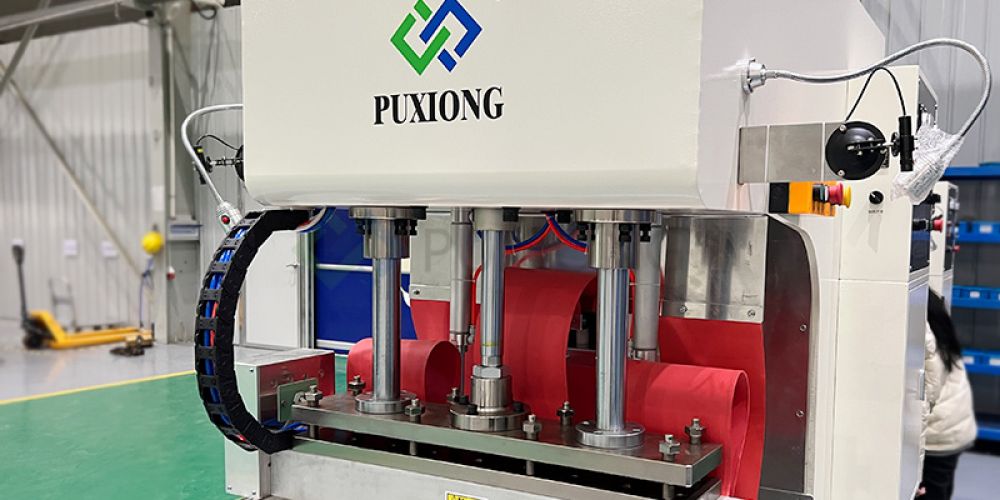
The advantages of high-frequency welding for tensile membrane structures primarily include the following aspects: 1. **Simple…
.jpg)
Welded tensile membrane structures are widely used in landscape architecture and offer significant advantages. The following…

Gas storage bags play a vital role in industrial production by storing gases, regulating pressure, enhancing…
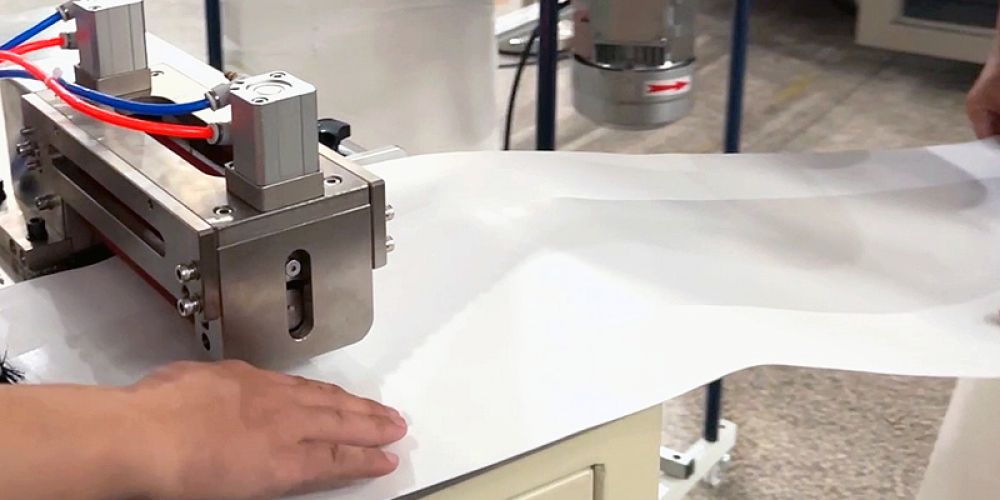
The welding process for PVDF-coated membrane fabrics offers significant competitive advantages over other welding methods, particularly…
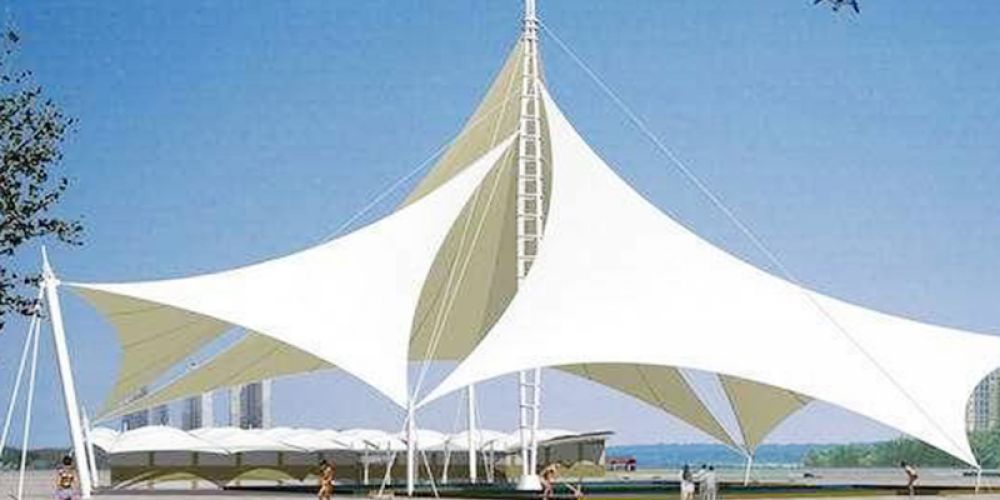
I. Application Scenarios for Tensile Membrane Structures Due to their unique mechanical properties and aesthetic versatility…