

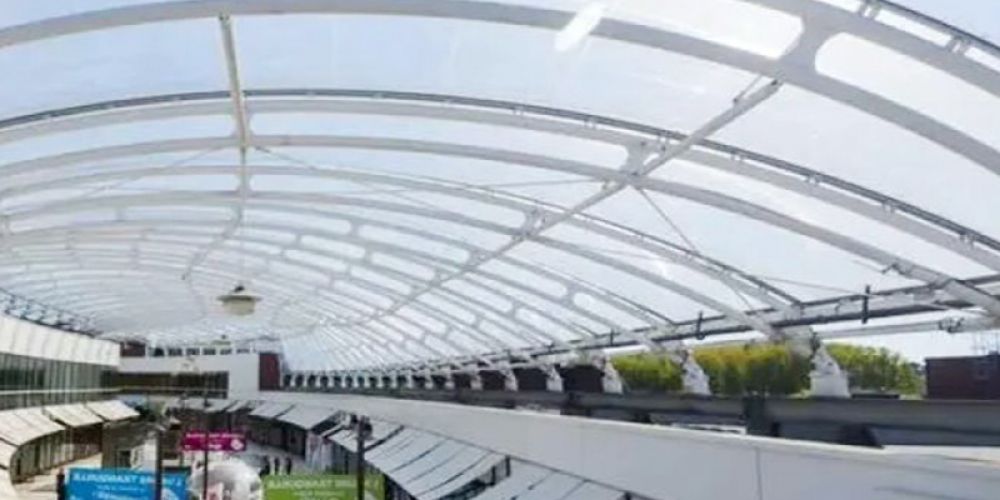
This study systematically tested the tensile strength degradation rate of heat-sealed joints in ETFE membrane materials under extreme environmental conditions—specifically high-altitude (low atmospheric pressure) and intense ultraviolet (UV) radiation (high-altitude/desert) settings—and revealed the mechanisms by which environmental factors affect joint durability. By incorporating surface coating protection and joint redundancy design, a composite improvement strategy was proposed, significantly enhancing the long-term reliability of ETFE membrane materials in extreme environments.
I. Introduction
ETFE (ethylene-tetrafluoroethylene copolymer) membrane materials are widely used in architectural roofing, curtain walls, and large-scale public facilities due to their high light transmittance (≥95%), lightweight nature (only 1% of the weight of glass), and excellent weather and chemical corrosion resistance. However, in extreme environments (such as high-altitude/low-pressure areas and regions with intense UV radiation), the heat-sealed joints of ETFE membranes are prone to issues like tensile strength degradation and crack propagation, increasing the risk of structural failure. This study aims to propose targeted improvement strategies based on experimental verification and theoretical analysis.
II. Mechanisms of Extreme Environmental Impact on ETFE Heat-Sealed Joints
1. High-Altitude, Low-Pressure Environments
Impact of reduced atmospheric pressure: Low atmospheric pressure leads to decreased air density, which reduces heat dissipation efficiency on the ETFE membrane surface. This makes the heat-sealed joint area susceptible to localized overheating, thereby accelerating material aging.
Experimental data: At an altitude of 4,000 m and an atmospheric pressure of 60 kPa, the tensile strength degradation rate of ETFE heat-sealed joints increased by 15%–20% compared to conditions at standard atmospheric pressure.
2. Intense UV Radiation Environments
UV damage mechanism: UV radiation triggers the scission of ETFE molecular chains, causing material embrittlement. Stress concentration at the heat-sealed joints further exacerbates crack propagation.
Experimental data: In a desert environment with a UV intensity of 150 W/m², the tensile strength degradation rate of ETFE heat-sealed joints reached 30%–40% within one year—significantly higher than the rate observed under standard temperature and pressure conditions (5%–10%). 3. Impact of Temperature Cycling
Thermal stress accumulation: Extreme temperature differentials cause a mismatch in the coefficients of thermal expansion between the ETFE membrane and the seam material, generating internal stress and accelerating fatigue damage at the seams.
Experimental data: Under temperature cycling between -40°C and +80°C, the fatigue life of heat-welded ETFE seams is reduced to one-third of that observed in ambient temperature conditions.
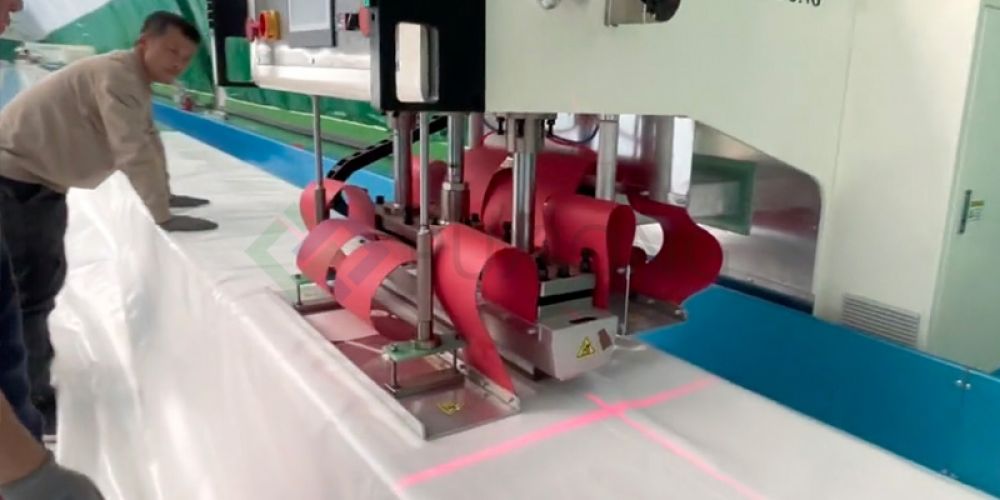
In the field of modern architecture, the construction of large-scale venues requires not only meeting functional…
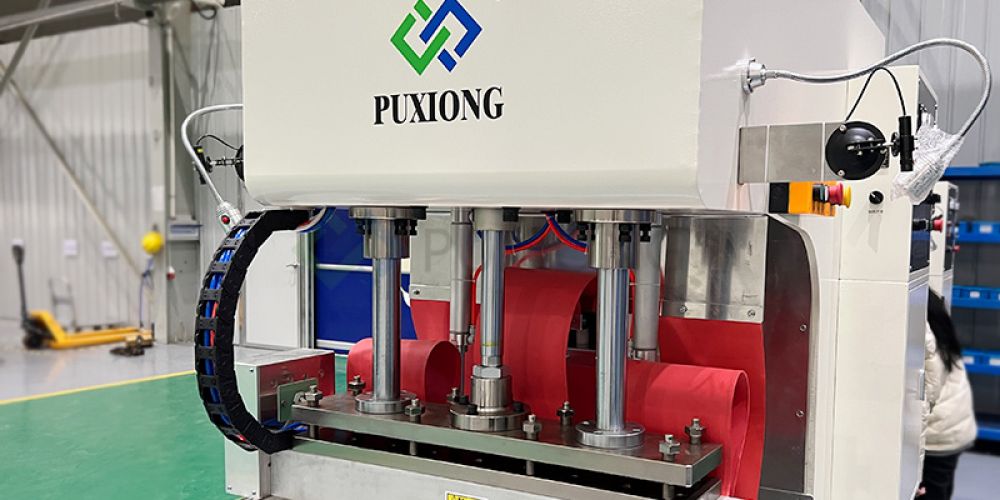
The advantages of high-frequency welding for tensile membrane structures primarily include the following aspects: 1. **Simple…
.jpg)
Welded tensile membrane structures are widely used in landscape architecture and offer significant advantages. The following…

Gas storage bags play a vital role in industrial production by storing gases, regulating pressure, enhancing…
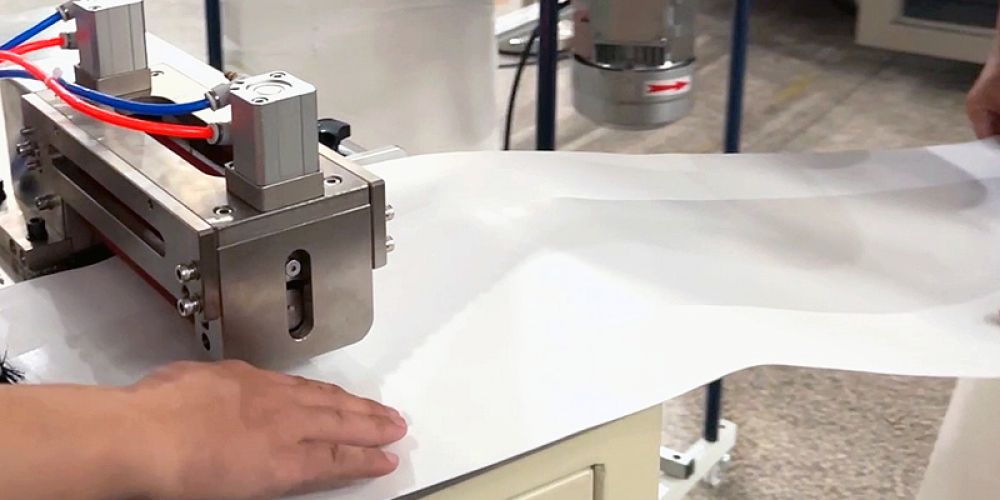
The welding process for PVDF-coated membrane fabrics offers significant competitive advantages over other welding methods, particularly…
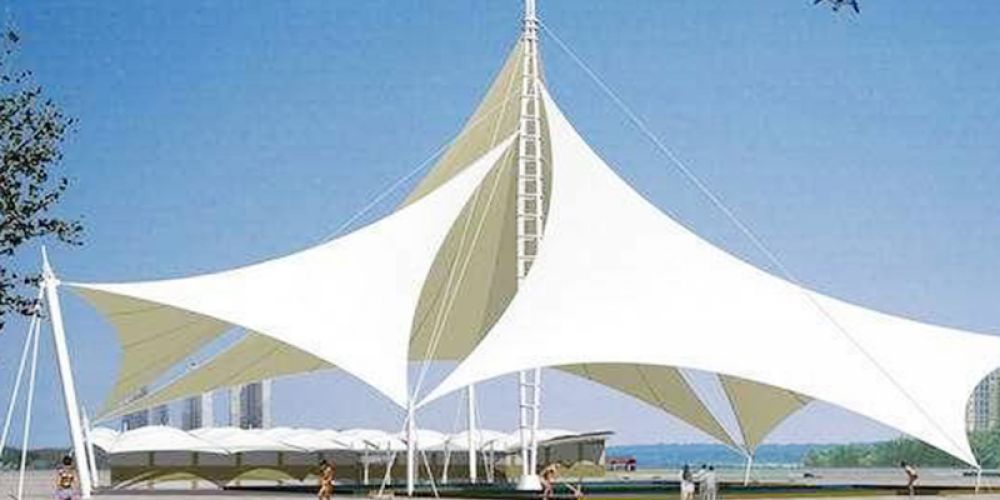
I. Application Scenarios for Tensile Membrane Structures Due to their unique mechanical properties and aesthetic versatility…