

.jpg)
I. Materials
Lightweight conveyor belts are made from a variety of materials, commonly including PVC (polyvinyl chloride), PU (polyurethane), rubber, and silicone. Different materials offer different properties and are suitable for various applications.
1. PVC Conveyor Belts: PVC conveyor belts offer excellent wear resistance, corrosion resistance, tensile strength, and flame retardancy. They are moderately priced and widely used in general material conveying applications.
2. PU Conveyor Belts: PU conveyor belts offer excellent wear resistance, oil resistance, chemical corrosion resistance, and tear resistance. They have good elasticity and are suitable for conveying materials requiring a high coefficient of friction.
3. Rubber Conveyor Belts: Rubber conveyor belts offer good wear resistance, high-temperature resistance, and corrosion resistance. They have high tensile strength and are suitable for conveying heavy materials and in high-temperature environments.
4. Silicone Conveyor Belts: Silicone conveyor belts offer excellent high-temperature resistance, corrosion resistance, and insulation. They are highly flexible and suitable for conveying materials requiring high precision.
II. Processing Methods and Techniques
The processing methods and techniques for light-duty conveyor belts mainly include the following steps:
1. Raw Material Selection and Batching: Based on the usage requirements of the light-duty conveyor belt, select suitable raw materials for batching, such as PVC, PU, and rubber.
2. Mixing and Calendering: Mix the batched raw materials to ensure uniform mixing. Then, calender the mixed rubber compound into a sheet of a certain thickness using a calender.
3. Molding and Vulcanization: Cut and shape the calendered rubber sheet according to the dimensions and shape of the light-duty conveyor belt. Then, place the shaped conveyor belt in a vulcanizing tank for vulcanization treatment to give it a certain strength and elasticity.
4. Surface Treatment and Processing: Perform surface treatments on the light-duty conveyor belt as needed, such as grinding, printing, and labeling. Special processing can also be performed, such as drilling, grooving, and adding baffles.
5. Quality Inspection and Packaging: Conduct quality inspections on the finished light-duty conveyor belt to ensure it meets relevant standards. Then, package it for transportation and storage.
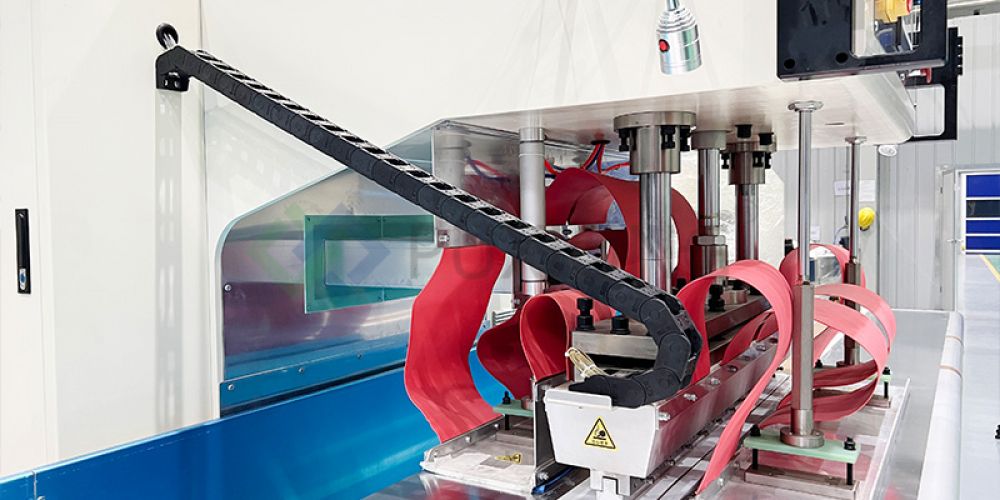
High-frequency welding technology is a key process in tent manufacturing. It achieves precise welding of plastic…
.png)
High-frequency welding and hot air welding for tents differ significantly in principle, applicability, efficiency, and finished…
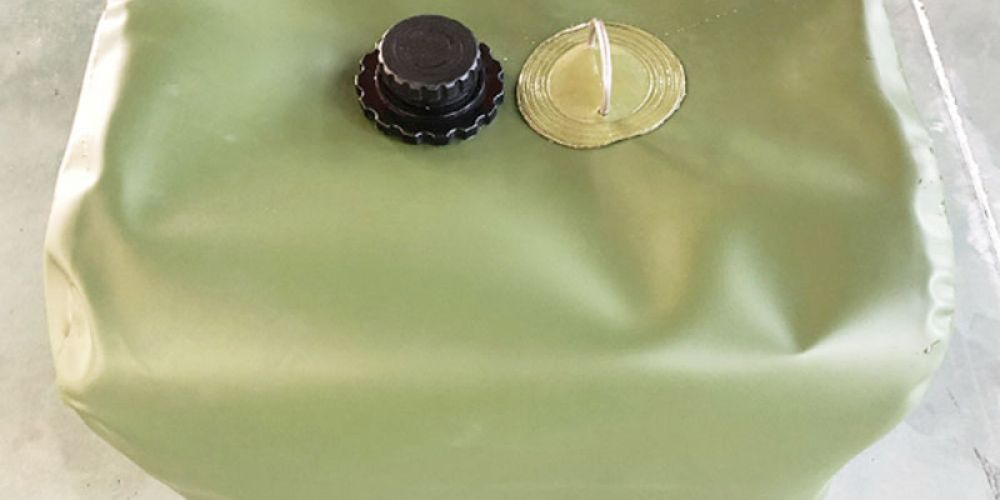
I. Fuel Tanks Revolutionize Energy Transportation 1. Flexible Transportation, Overcoming Spatial Limitations Traditional energy transportation methods…
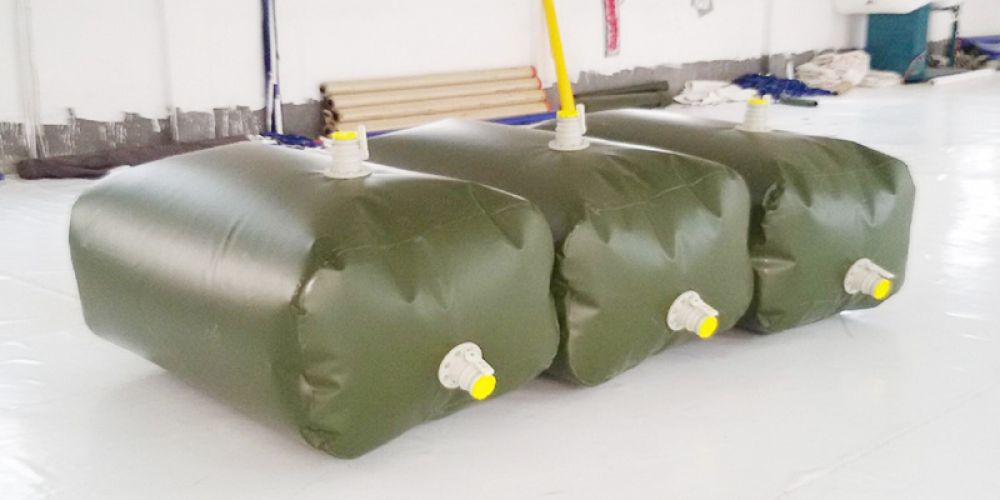
I. Principle of High-Frequency Welding of Oil Bladders High-frequency welding utilizes the skin effect and proximity…
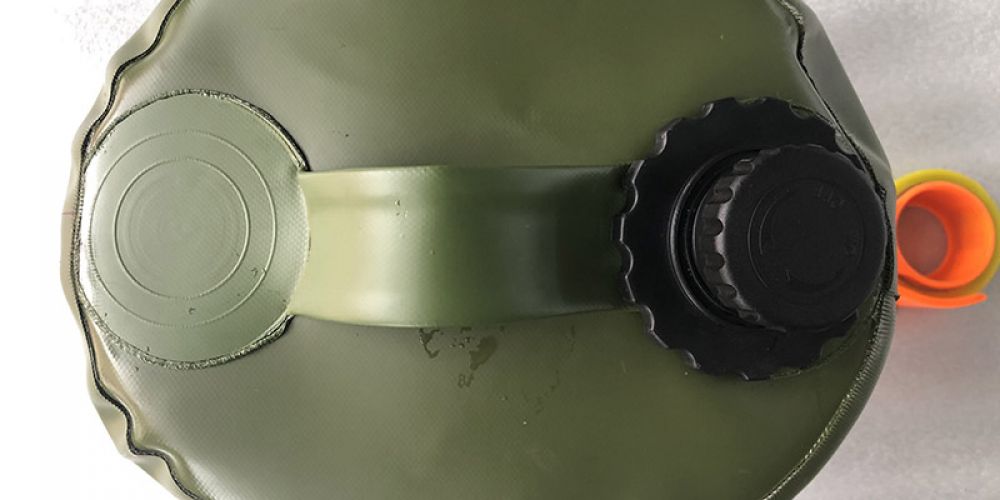
Fuel bladders provide a solid defense for energy transportation safety, primarily due to their material properties…
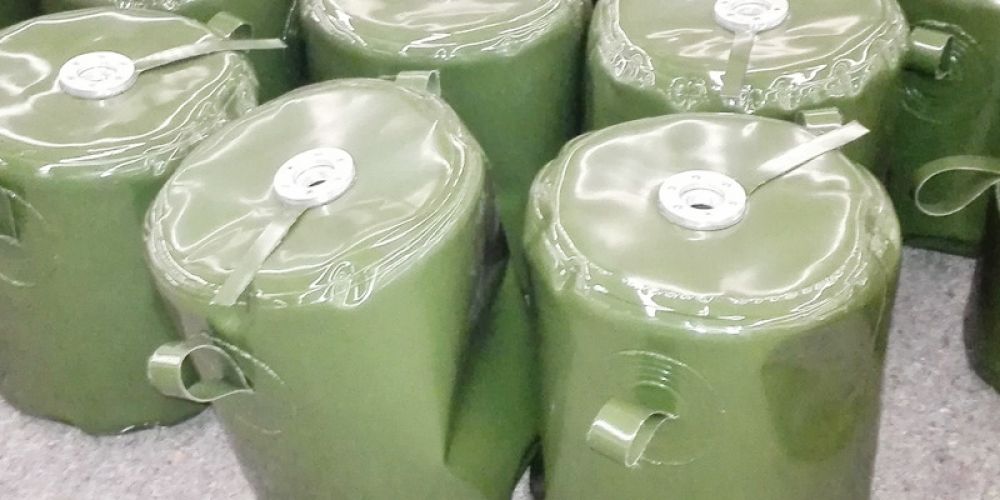
Oil bladders, acting as the "invisible guardians" behind energy transportation, exhibit unique advantages in materials, design…