

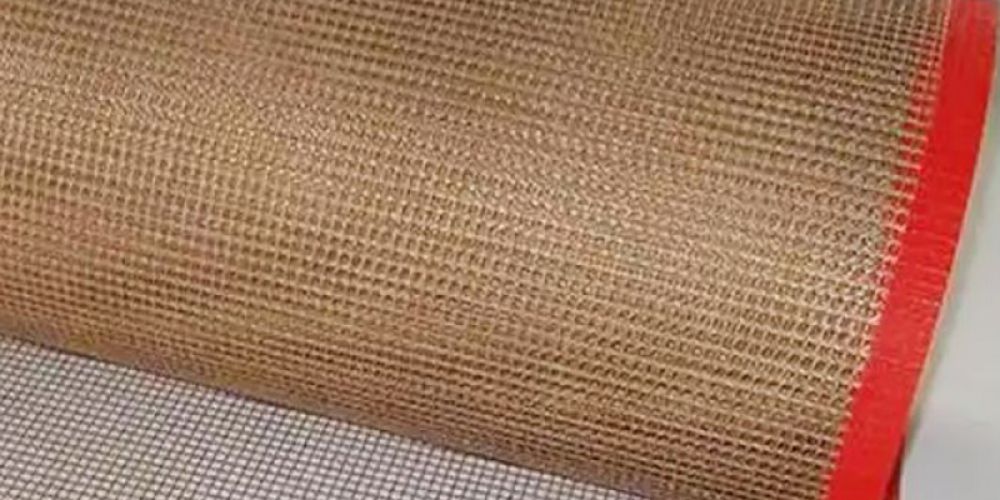
Teflon conveyor belts—also known as PTFE conveyor belts or high-temperature resistant conveyor belts—come in various types and possess the following characteristics:
I. Types
Teflon conveyor belts are primarily categorized into two types: Teflon mesh conveyor belts and Teflon high-temperature resistant fabric.
1. Teflon mesh conveyor belts: Specifications are defined by mesh size (e.g., 1×1mm, 2×2.5mm, 4×4mm, 10×10mm). They are further classified into single-weft and double-weft varieties based on their warp and weft structures.
2. Teflon high-temperature resistant fabric: Specifications are distinguished by thickness, with the thinnest options reaching 0.08mm.
II. Characteristics
1. High-temperature resistance: Suitable for operating temperatures ranging from -112°C to 260°C (some sources cite -196°C to 300°C). They exhibit stable properties; testing has shown that exposure to 250°C for over 200 days results in no changes to weight or strength.
2. Chemical corrosion resistance: Resistant to strong acids, strong alkalis, and various organic solvents; capable of withstanding erosion by a wide range of chemical substances.
3. Dimensional stability: Dimensionally stable and high-strength with excellent mechanical properties; the elongation coefficient is less than 0.5% (5‰).
4. Easy cleaning: Non-stick properties make it easy to clean off oil stains, dirt, or other adhered substances.
5. Eco-friendly and non-toxic: Chemically resistant, non-toxic, and harmless; made from environmentally friendly materials.
6. Fire and flame resistance: Exhibits excellent fire and flame retardant properties.
7. Air permeability: Teflon mesh conveyor belts feature an open-mesh design that allows for air circulation, thereby improving drying efficiency.
Teflon conveyor belts also offer aging resistance and excellent electrical insulation properties. Consequently, they are widely used in sectors such as textile printing and dyeing, food baking, petrochemicals, electrical insulation, and architectural membrane materials. Teflon conveyor belts play a significant role in industrial production, thanks to their unique properties and wide range of applications.
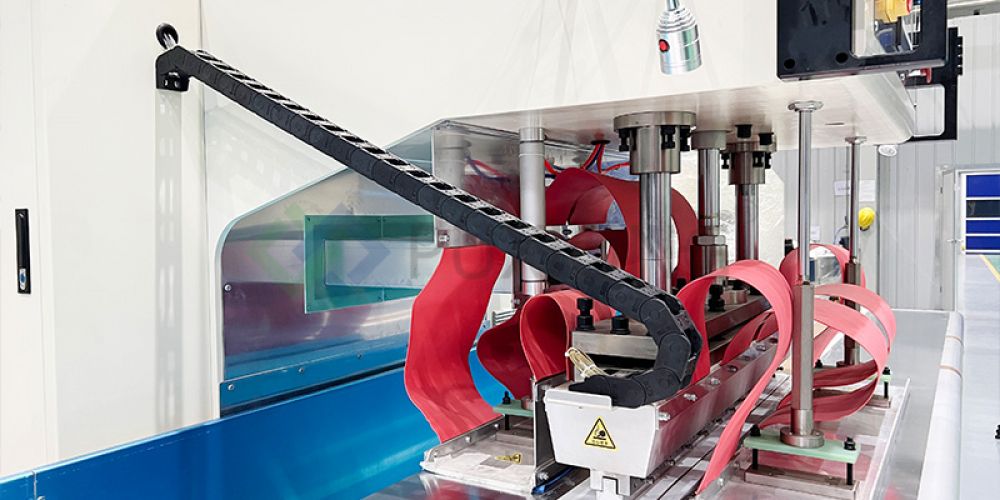
High-frequency welding technology is a key process in tent manufacturing. It achieves precise welding of plastic…
.png)
High-frequency welding and hot air welding for tents differ significantly in principle, applicability, efficiency, and finished…
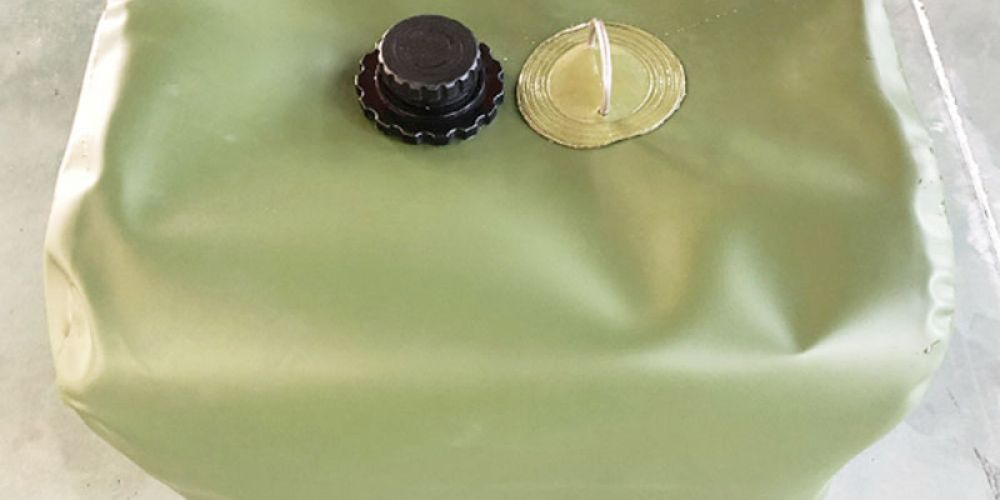
I. Fuel Tanks Revolutionize Energy Transportation 1. Flexible Transportation, Overcoming Spatial Limitations Traditional energy transportation methods…
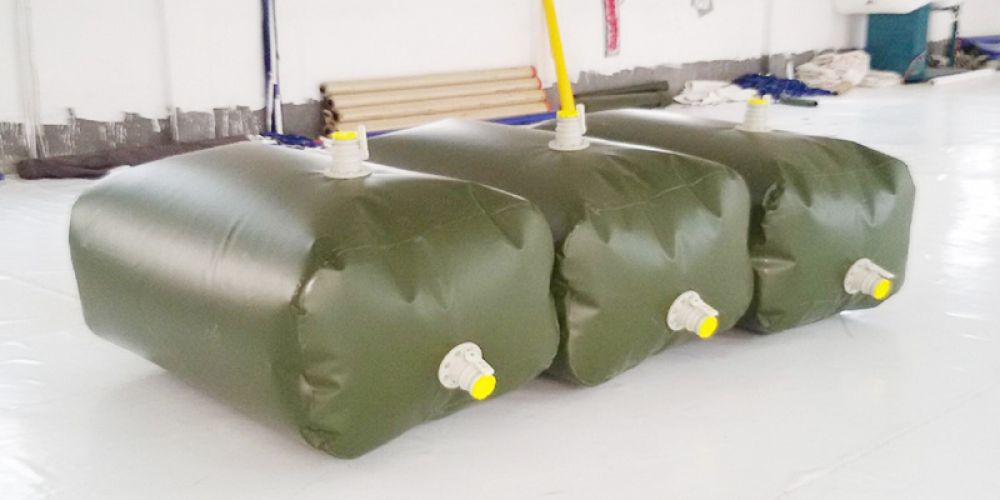
I. Principle of High-Frequency Welding of Oil Bladders High-frequency welding utilizes the skin effect and proximity…
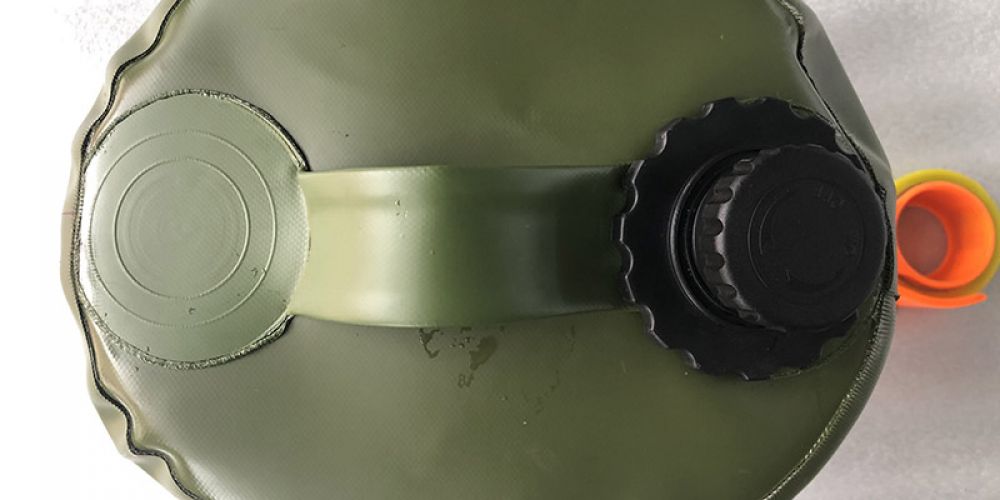
Fuel bladders provide a solid defense for energy transportation safety, primarily due to their material properties…
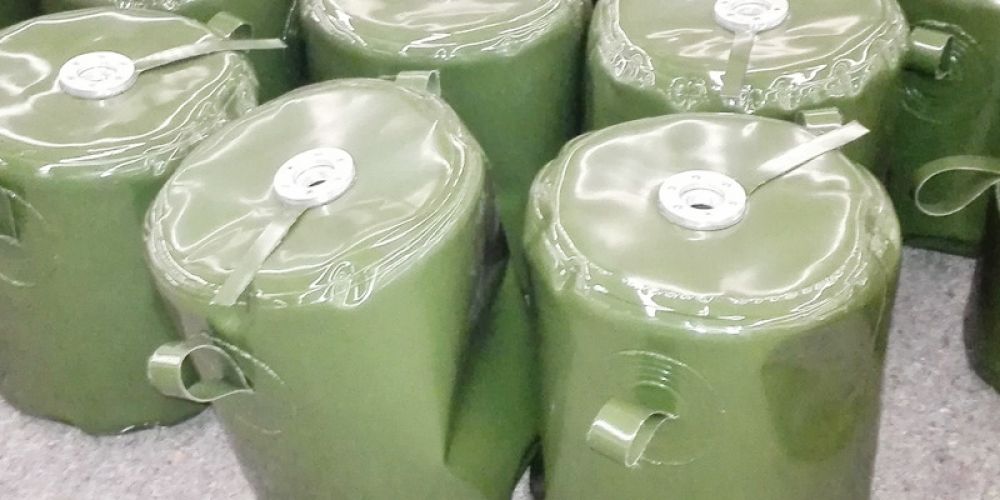
Oil bladders, acting as the "invisible guardians" behind energy transportation, exhibit unique advantages in materials, design…