


I. Fuel Tanks Revolutionize Energy Transportation
1. Flexible Transportation, Overcoming Spatial Limitations
Traditional energy transportation methods are often constrained by space and routes, making it difficult for large transport equipment to navigate complex terrain or narrow areas. Fuel tanks, however, exhibit unparalleled flexibility. They can be customized in different shapes and sizes to meet transportation needs, easily adapting to everything from winding mountain paths to remote sea islands. For example, in energy resupply in remote areas, fuel tanks can be transported to designated locations using small vehicles or even by manpower, providing timely energy supply and breaking the spatial constraints of traditional transportation methods.
2. Efficient Loading and Unloading, Enhancing Transportation Efficiency
Time is efficiency, especially in the energy transportation industry. Fuel tanks demonstrate extremely high efficiency during loading and unloading. Compared to traditional oil tanks, loading and unloading fuel tanks is much simpler and faster. They do not require complex equipment or significant time investment; energy loading and unloading can be completed quickly through simple connection and filling/unloading devices. This not only greatly shortens the transportation cycle but also reduces the input of manpower and resources, improving the operational efficiency of the entire energy transportation chain. II. Oil Tanks Enhance Energy Transportation Safety
1. Leak-Proof Design for Environmental Safety
Leakage during energy transportation has always been a major pain point in the industry. Once a leak occurs, it not only wastes energy but can also cause serious environmental pollution. The oil tank employs an advanced leak-proof design, with rigorous testing and verification conducted on everything from material selection to structural optimization. Its high-strength material effectively resists external impacts and abrasion, preventing leaks due to rupture. Simultaneously, the oil tank is equipped with an intelligent monitoring system that can monitor internal pressure, temperature, and other parameters in real time. In case of abnormalities, it will promptly issue an alarm, safeguarding the safety of energy transportation.
2. Shock and Pressure Resistance for Complex Environments
Energy transportation may encounter various harsh environmental conditions, such as natural disasters like earthquakes and typhoons, as well as bumps and collisions during transport. The oil tank, with its excellent shock and pressure resistance, can remain stable in these complex environments. Its special structure and elastic material effectively buffer external impacts, ensuring the safety of energy during transportation. Even in extreme situations, the fuel bladder can minimize energy loss and ensure the smooth operation of transportation missions.
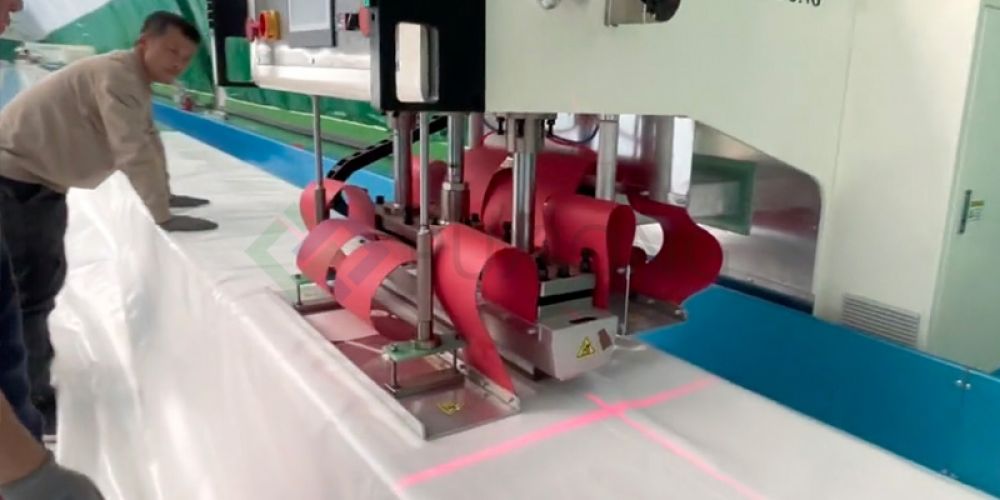
In the field of modern architecture, the construction of large-scale venues requires not only meeting functional…
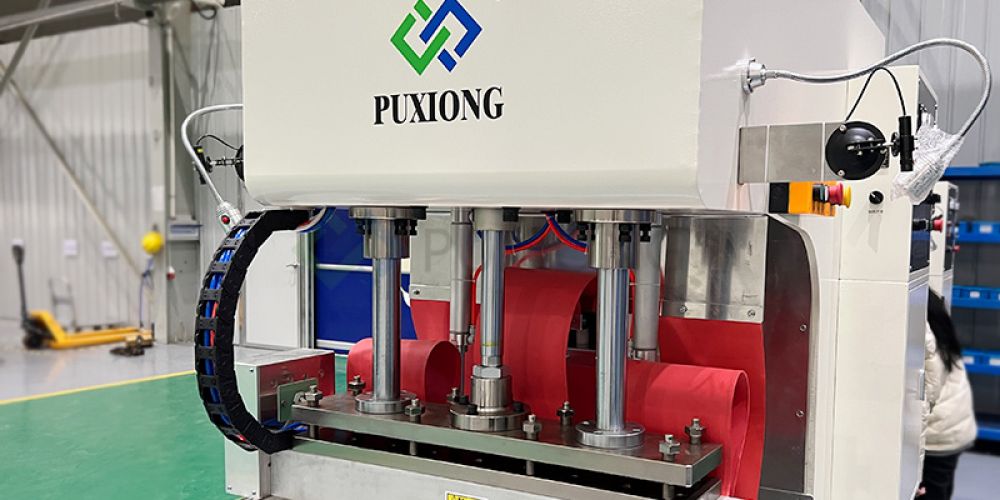
The advantages of high-frequency welding for tensile membrane structures primarily include the following aspects: 1. **Simple…
.jpg)
Welded tensile membrane structures are widely used in landscape architecture and offer significant advantages. The following…

Gas storage bags play a vital role in industrial production by storing gases, regulating pressure, enhancing…
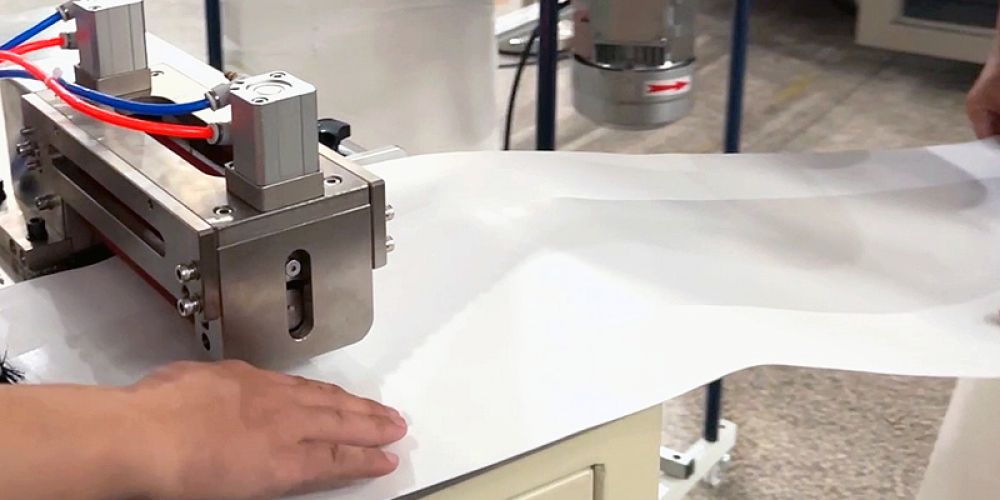
The welding process for PVDF-coated membrane fabrics offers significant competitive advantages over other welding methods, particularly…

I. Application Scenarios for Tensile Membrane Structures Due to their unique mechanical properties and aesthetic versatility…