

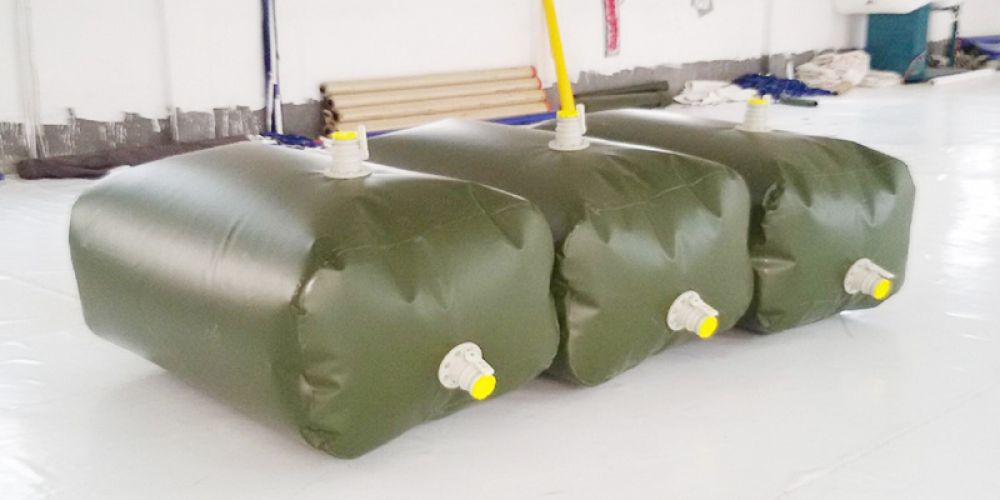
I. Principle of High-Frequency Welding of Oil Bladders
High-frequency welding utilizes the skin effect and proximity effect of high-frequency current to concentrate high-frequency electrical energy on the surface of the workpiece, achieving welding of the oil bladder material.
1. Skin Effect: When an alternating current flows through a conductor, the current distribution across the conductor's cross-section is uneven. The current density gradually increases from the center of the conductor to the surface, with most of the current flowing only along the surface. The lower the resistivity, the higher the permeability, and the higher the frequency of the current, the more significant the skin effect. In high-frequency welding of oil bladders, the high-frequency current rapidly heats the surface of the oil bladder material.
2. Proximity Effect: When high-frequency current flows in opposite directions between two conductors or in a reciprocating conductor, the current concentrates on the side adjacent to the conductor. By controlling the positional relationship between the conductor and the workpiece, the high-frequency current is concentrated at the welding area of the oil bladder, achieving localized heating welding.
3. Welding Process: During high-frequency welding, the high-frequency current generates resistance heat at the joint surface of the workpiece. With or without pressure, the surface of the oil bladder welding area is heated to a molten or near-plastic state. Then, with or without upsetting force, the metals are bonded, completing the weld. High-frequency welding can be divided into contact high-frequency welding and induction high-frequency welding according to the way the high-frequency current generates heat in the workpiece. In contact high-frequency welding, the high-frequency current is transferred to the workpiece through mechanical contact; in induction high-frequency welding, the high-frequency current generates an induced current in the workpiece through the coupling effect of an external induction coil.
II. Characteristics of High-Frequency Welding for Oil Bladders
1. Fast Heating Speed and High Welding Efficiency: Due to the high concentration of current in the welding area, the heating speed is extremely fast, and the welding speed can reach 150-200 m/min. For example, on some large-scale oil bladder production lines, high-frequency welding can complete the welding of a large number of oil bladders in a short time, greatly improving production efficiency.
2. Excellent Weld Quality: The workpiece has strong self-cooling effect, a small heat-affected zone, and is not prone to oxidation. Therefore, the microstructure and properties of the weld are excellent. 3. High weld strength and excellent sealing effectively prevent leakage during use, ensuring the safety and reliability of the oil bladder.
4. Low surface requirements: Pre-welding surface cleaning is unnecessary, improving production efficiency. In actual production, this reduces pre-treatment steps, lowering production and time costs.
5. Wide applicability: High-frequency welding can weld a wide range of metals and products with various shapes and specifications. It adapts well to oil bladders of different materials, shapes, and specifications, meeting diverse production needs.
6. Enables automated production: High-frequency welding equipment can be integrated with robotic arms and conveyor belts for mass production. For example, in modern oil bladder manufacturing plants, high-frequency welding equipment can work seamlessly with other production processes through automated production lines, achieving efficient and stable production.
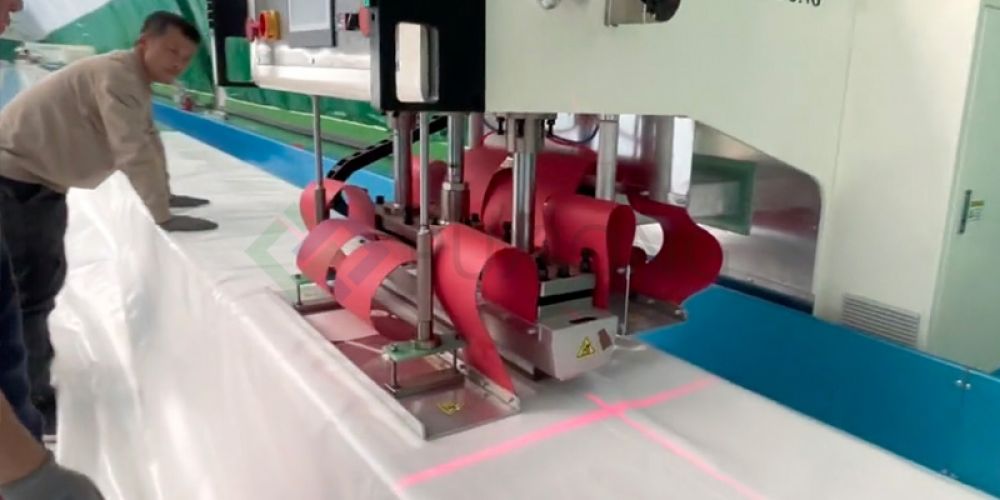
In the field of modern architecture, the construction of large-scale venues requires not only meeting functional…
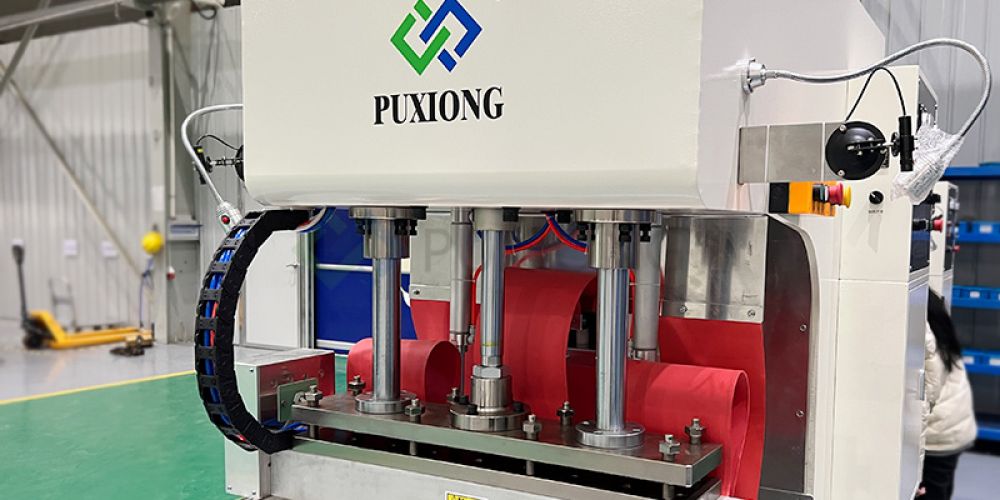
The advantages of high-frequency welding for tensile membrane structures primarily include the following aspects: 1. **Simple…
.jpg)
Welded tensile membrane structures are widely used in landscape architecture and offer significant advantages. The following…

Gas storage bags play a vital role in industrial production by storing gases, regulating pressure, enhancing…
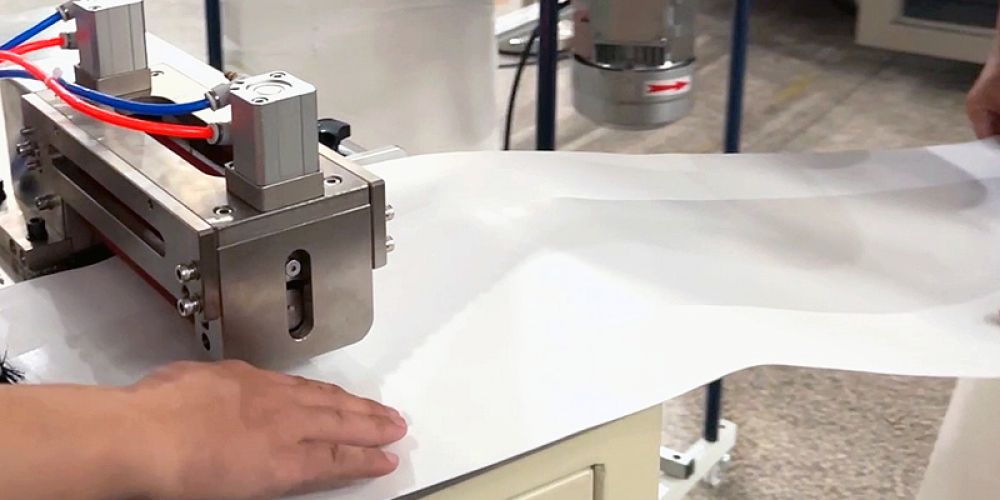
The welding process for PVDF-coated membrane fabrics offers significant competitive advantages over other welding methods, particularly…

I. Application Scenarios for Tensile Membrane Structures Due to their unique mechanical properties and aesthetic versatility…