

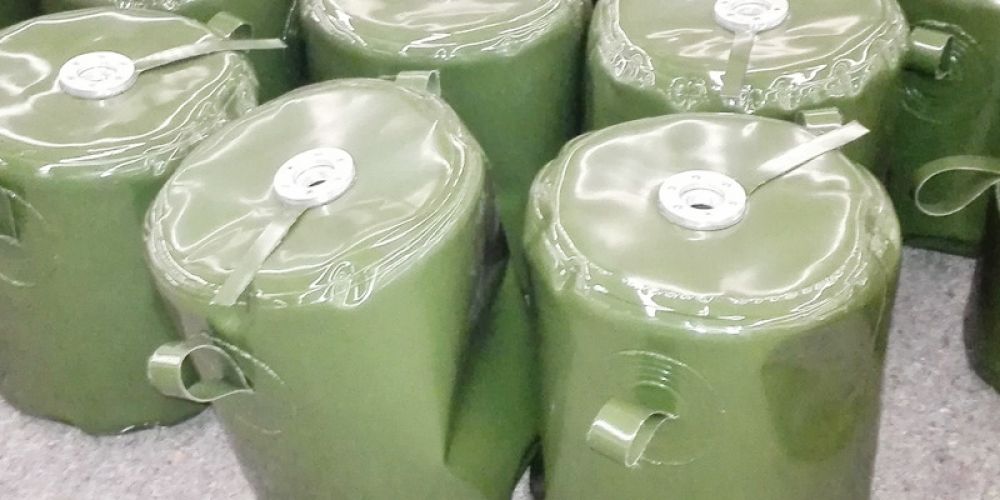
Oil bladders, acting as the "invisible guardians" behind energy transportation, exhibit unique advantages in materials, design, function, and handling of special environments, providing comprehensive protection for energy transportation safety. The following is a detailed analysis:
I. Material Characteristics Protecting Transportation Safety
Oil bladders are typically made of oil-resistant rubber sheets, elastic materials, and soft synthetic rubber, possessing excellent sealing, corrosion resistance, abrasion resistance, and puncture resistance. For example, soft transport oil bags use special materials to effectively prevent oil leakage and the intrusion of external contaminants. The "Hump" series of oil bladders developed by FMW Materials in the United States are high-strength, puncture-resistant, and abrasion-resistant, and can be strapped to the outside of tanks or airdropped to the ground by helicopter, meeting the needs of complex transportation environments.
II. Functional Advantages Enhancing Transportation Efficiency
1. Lightweight and Portable: Oil bladders are lightweight and small in size, foldable for easy carrying and transportation. When there is no oil, they can be folded up, saving space and reducing safety risks and costs during transportation.
2. High Adaptability: They can freely deform to fit the shape of the storage space, adapting to different transportation and storage needs. For example, soft transport oil bags can be used for long-distance oil transportation and for temporary or long-term oil storage. Different capacities can be selected as needed to maintain the stability and quality of the oil during storage.
3. Emergency Backup: Oil bags can serve as emergency backup equipment, enabling rapid storage and transportation of oil in natural disasters or emergencies. They can be quickly deployed and used, providing strong support for emergency rescue.
III. Demonstrating Protective Capabilities in Special Environments
1. Harsh Weather and Terrain: The advantages of oil bags are even more pronounced in harsh weather and complex terrain conditions. For example, in Antarctic inland scientific expeditions, the demand for oil is large. Using oil drums is inefficient, labor-intensive, and difficult to recover empty drums. Oil bags, however, can be transported by helicopter and sleds, eliminating the need for secondary transfers from cargo ships or tankers to Kunlun Station. This effectively solves the problems associated with oil drum transportation and meets the requirements of the harsh environment of Antarctic inland expeditions.
2. Anti-static and Fireproof: Considering the flammable, explosive, and static-accumulating properties of oil, a series of measures are incorporated into the design and use of oil bags to reduce safety risks. For example, during transportation, avoid over-inflation that could cause the oil bladder to rupture or be damaged; keep the oil bladder dry to prevent mold or damage; and avoid using it in high-temperature environments to prevent aging or damage.
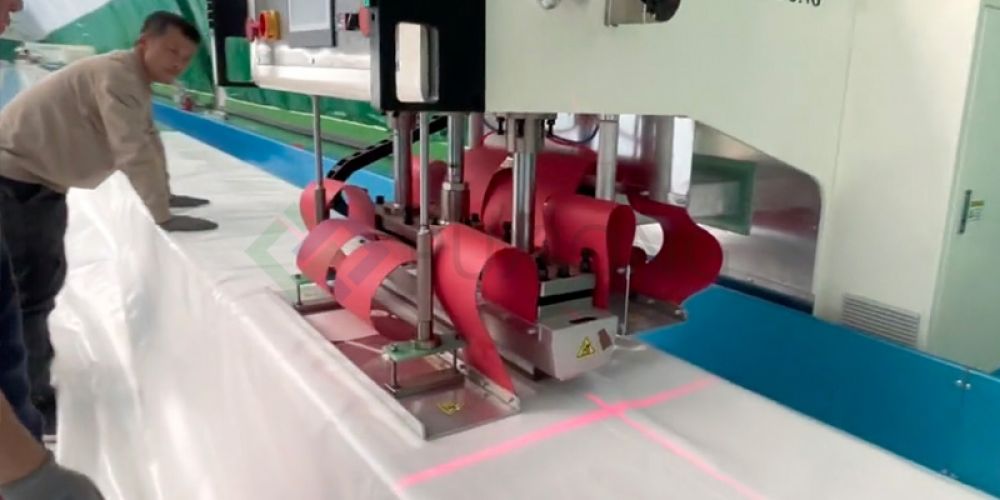
In the field of modern architecture, the construction of large-scale venues requires not only meeting functional…
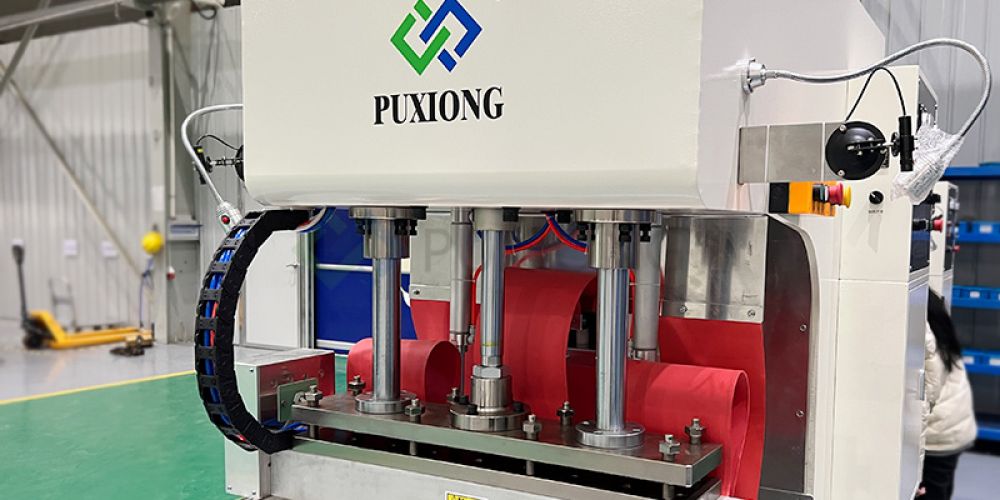
The advantages of high-frequency welding for tensile membrane structures primarily include the following aspects: 1. **Simple…
.jpg)
Welded tensile membrane structures are widely used in landscape architecture and offer significant advantages. The following…

Gas storage bags play a vital role in industrial production by storing gases, regulating pressure, enhancing…
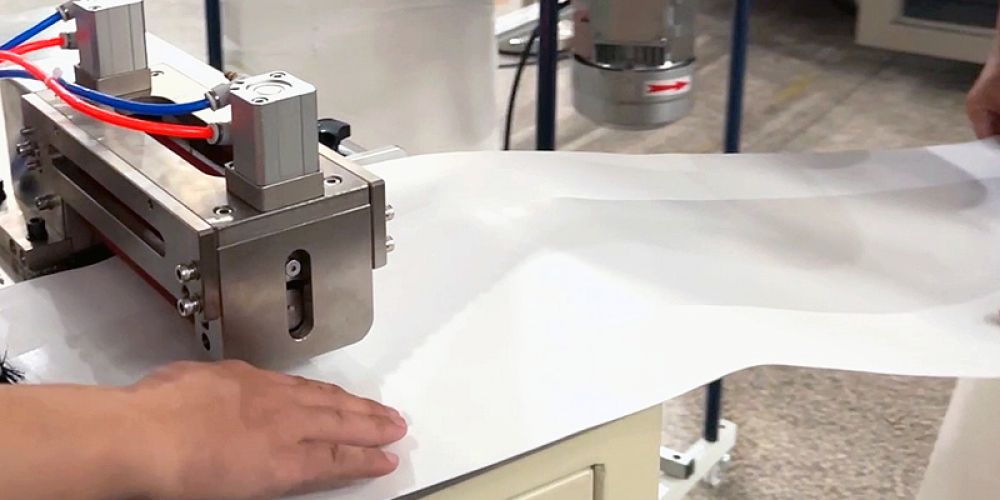
The welding process for PVDF-coated membrane fabrics offers significant competitive advantages over other welding methods, particularly…

I. Application Scenarios for Tensile Membrane Structures Due to their unique mechanical properties and aesthetic versatility…