

.jpg)
In industrial environments, lightweight industrial conveyor belts are more suitable, primarily due to the following considerations:
I. Material and Durability
Lightweight industrial conveyor belts often utilize high-strength, highly abrasion-resistant polymer materials such as PVC and PU. These materials possess excellent flexibility and wear resistance, enabling them to adapt to various complex working environments. Furthermore, lightweight industrial conveyor belts may incorporate multi-layered structural designs to enhance their strength and stability. These characteristics allow them to maintain good performance and a longer service life even under heavy loads and prolonged operation.
In contrast, ordinary lightweight conveyor belts may use simpler rubber or synthetic materials and have a relatively simple structure. Such materials and structures may be prone to wear and aging under heavy loads or prolonged operation, resulting in a relatively shorter service life.
II. Performance Requirements
Lightweight industrial conveyor belts need to meet performance standards specific to industrial environments, such as food-grade safety standards and anti-static standards. These performance requirements necessitate more complex processing and quality control during the manufacturing process to ensure they meet the diverse needs of industrial environments.
Ordinary light-duty conveyor belts primarily meet basic material handling and transmission needs, with relatively lower performance requirements. Therefore, they may not require extensive processing and quality control during manufacturing, potentially leading to them failing to meet specific performance requirements in certain industrial environments.
III. Adaptability and Flexibility
Industrial light-duty conveyor belts offer excellent adaptability and flexibility, allowing for the addition of various accessories such as side guards, skirts, and drive rollers to accommodate diverse conveying needs. This enables their widespread application in material handling and transmission scenarios across various industrial automation and production lines.
Ordinary light-duty conveyor belts, however, may exhibit relatively poor adaptability and flexibility due to limitations in materials and structure. This could result in their inability to effectively meet conveying requirements in certain complex industrial environments.
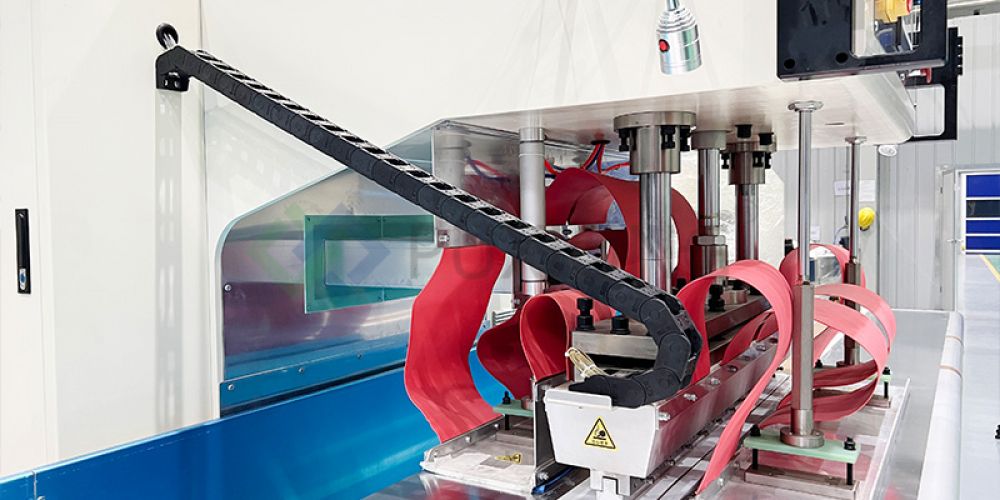
High-frequency welding technology is a key process in tent manufacturing. It achieves precise welding of plastic…
.png)
High-frequency welding and hot air welding for tents differ significantly in principle, applicability, efficiency, and finished…

I. Fuel Tanks Revolutionize Energy Transportation 1. Flexible Transportation, Overcoming Spatial Limitations Traditional energy transportation methods…
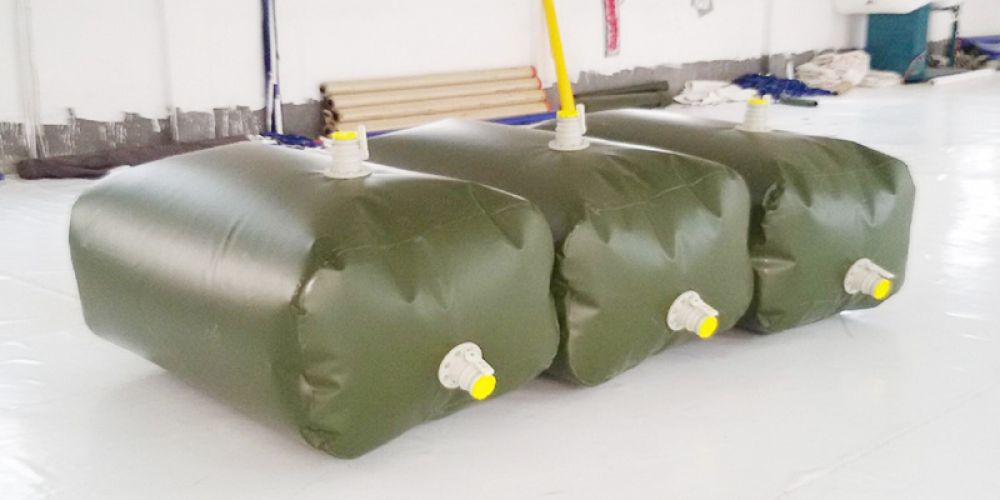
I. Principle of High-Frequency Welding of Oil Bladders High-frequency welding utilizes the skin effect and proximity…

Fuel bladders provide a solid defense for energy transportation safety, primarily due to their material properties…

Oil bladders, acting as the "invisible guardians" behind energy transportation, exhibit unique advantages in materials, design…