


Industrial belts come in a variety of materials, each with its unique characteristics and applications. Below are some common industrial belt materials and their characteristics:
I. Rubber Material
1. Characteristics: Rubber belts possess excellent flexibility and wear resistance, enabling them to adapt to various complex working environments. Furthermore, rubber exhibits excellent toughness and high-temperature resistance.
2. Applications: Widely used in conveying equipment in industries such as power, metallurgy, and chemicals, such as coal conveyors and mining conveyors. Depending on specific needs, rubber belts can be further subdivided into oil-resistant, acid and alkali-resistant, and other special-purpose conveyor belts.
II. Polyurethane (PU) Material
1. Characteristics: Polyurethane belts are high-strength, wear-resistant, and possess good oil resistance and chemical corrosion resistance.
2. Applications: Particularly suitable for high-load, high-speed transmission, and harsh environments such as the chemical industry.
III. Polyester (PET) Material
1. Characteristics: Polyester belts are composed of polyester fiber fabric and rubber composites, featuring high strength, wear resistance, and corrosion resistance. Their wear resistance is particularly outstanding, significantly extending service life and reducing maintenance costs.
2. Applications: Suitable for long-distance conveying in harsh environments such as mines and ports, capable of withstanding significant tension and impact. It also performs excellently in high-speed transmission systems in the textile, light industry, and food processing industries.
IV. Nylon (PA) Material
1. Characteristics: Nylon belts are made of a composite of nylon fabric and rubber, making them lightweight, high-strength, wear-resistant, and impact-resistant, while also possessing good water and heat resistance.
2. Applications: Suitable for medium- to long-distance conveying in industries such as coal mining and building materials, maintaining stable performance under harsh working conditions. They are also widely used in transmission and positioning systems in the electronics, machinery, and chemical industries.
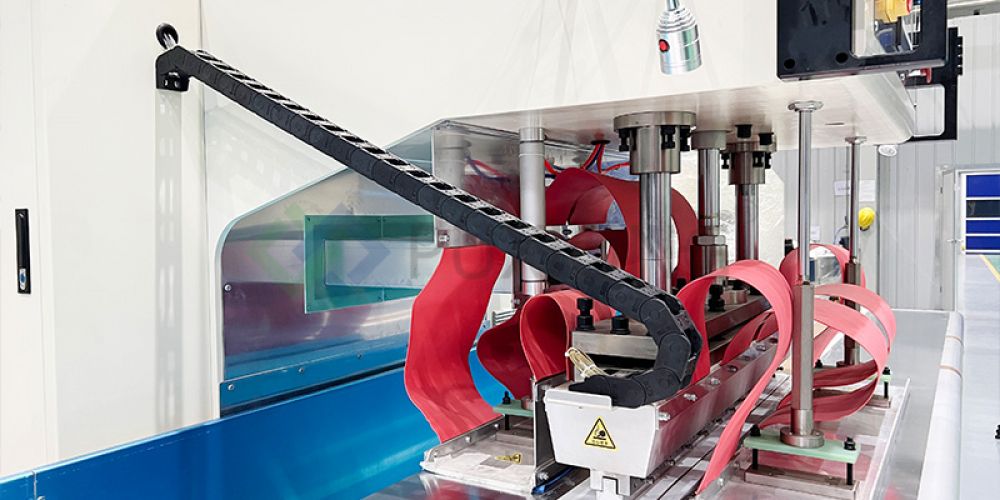
High-frequency welding technology is a key process in tent manufacturing. It achieves precise welding of plastic…
.png)
High-frequency welding and hot air welding for tents differ significantly in principle, applicability, efficiency, and finished…
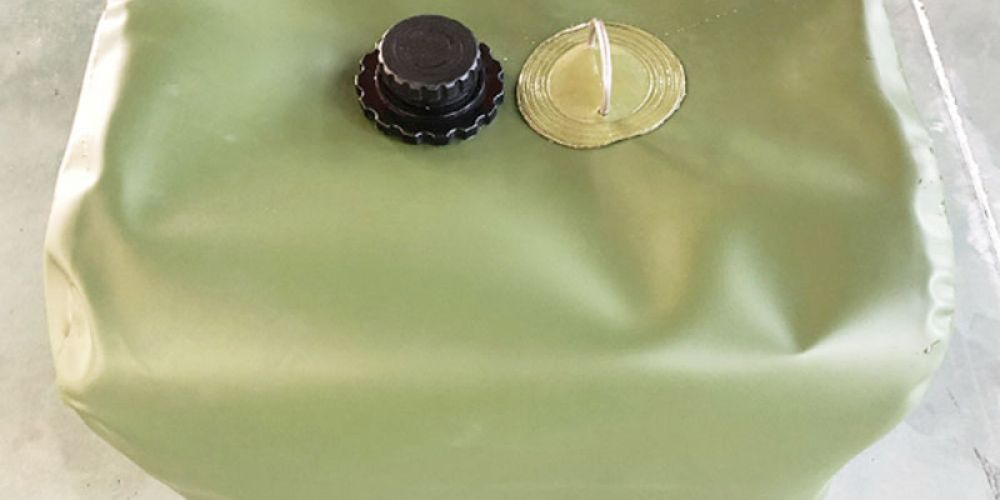
I. Fuel Tanks Revolutionize Energy Transportation 1. Flexible Transportation, Overcoming Spatial Limitations Traditional energy transportation methods…
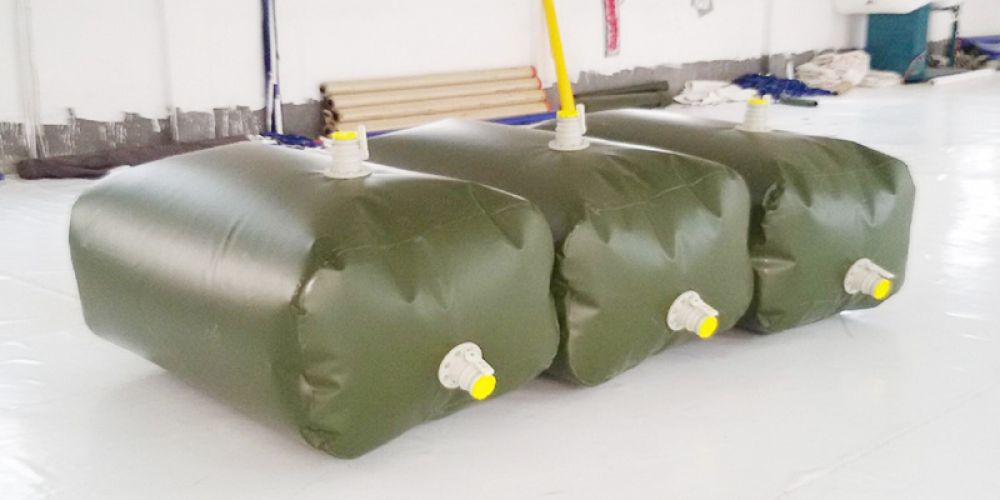
I. Principle of High-Frequency Welding of Oil Bladders High-frequency welding utilizes the skin effect and proximity…
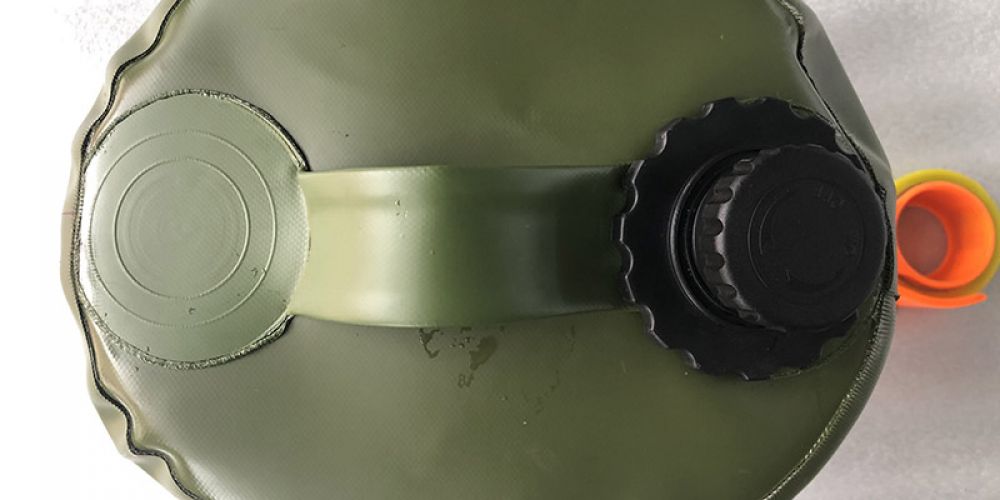
Fuel bladders provide a solid defense for energy transportation safety, primarily due to their material properties…
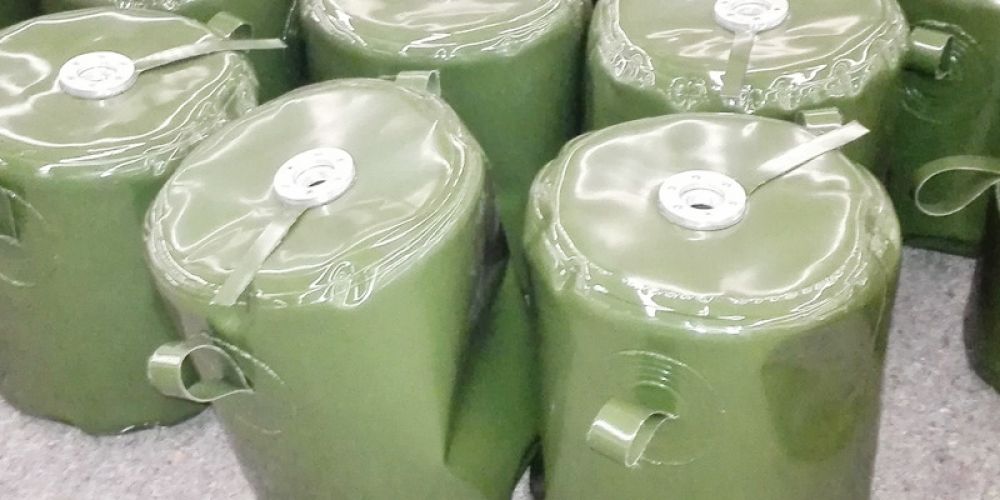
Oil bladders, acting as the "invisible guardians" behind energy transportation, exhibit unique advantages in materials, design…