

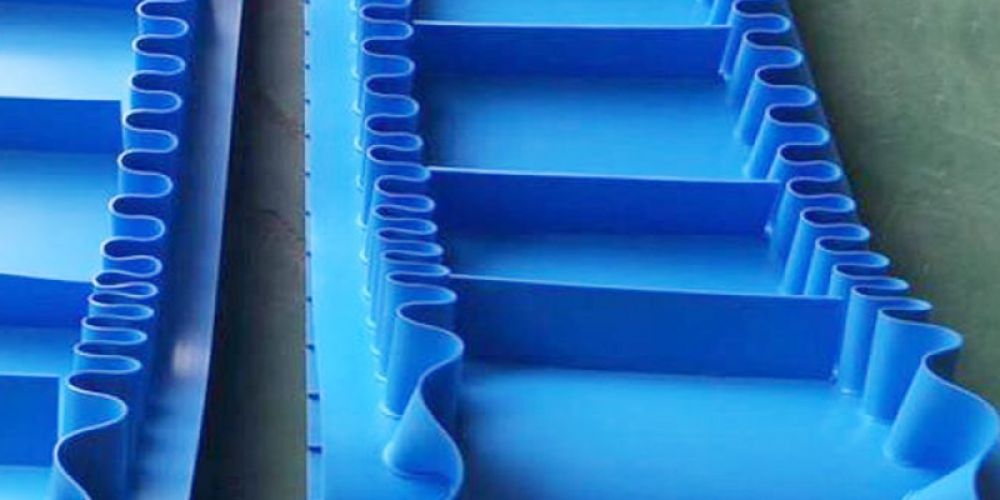
Lightweight conveyor belts are a type of solid material conveyor belt made of relatively light materials, mainly including PVC conveyor belts, PU conveyor belts, and rubber-plastic conveyor belts. They are widely used in various industries, such as food, logistics, electronics, tobacco, wood, stone, and fitness.
Lightweight conveyor belts are typically made of polyester fibers woven with different warp and weft threads to form a skeleton material, which is then combined with rubber materials or PVC, PU, PE, etc. This structure gives lightweight conveyor belts good adhesion, physical, chemical, and mechanical properties. Depending on the usage environment and requirements, lightweight conveyor belts can also have flame-retardant, anti-static, and food-grade properties.
During installation and use, some key details need attention. For example, during installation, ensure that the conveyor belt joint is in the forward or reverse direction, depending on the machine's operating conditions. Additionally, the conveyor belt extension needs to be adjusted, as the belt will retract during use. Therefore, it should not be adjusted too tightly initially; it needs to be adjusted to the appropriate state after running for a period of time.
In summary, lightweight conveyor belts offer a highly efficient and flexible material handling solution, meeting the needs of various industries and applications. When adjusting lightweight conveyor belts, the following details should be noted:
1. Determine the conveyor belt's running direction: The running direction of the conveyor belt must be determined during installation to ensure it operates in the correct direction.
2. Adjust the conveyor belt tension: The tension of the conveyor belt is crucial for its operational stability and service life. When adjusting the belt, the tension should be adjusted according to the actual situation, ensuring it is neither too tight nor too loose.
3. Ensure the conveyor belt is aligned: The conveyor belt needs to remain aligned during operation to prevent misalignment or wear. When adjusting the belt, check the alignment and adjust as needed.
4. Check the conveyor belt for wear: When adjusting the conveyor belt, check for wear, especially at the edges and joints. If severe wear is found, replace or repair it promptly.
5. Adjust the conveyor belt position: When adjusting the conveyor belt, its position needs to be adjusted according to the actual situation to ensure that the conveyor belt can properly mesh with the drive and driven pulleys.
6. Ensure safety: Safety precautions must be taken when adjusting the conveyor belt to avoid accidents. Especially when adjusting high-speed conveyor belts, necessary safety measures must be taken.
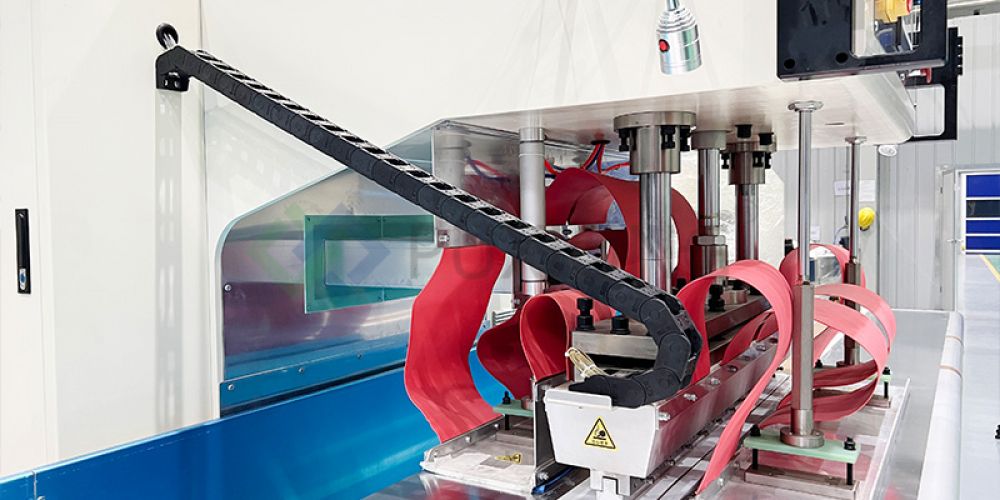
High-frequency welding technology is a key process in tent manufacturing. It achieves precise welding of plastic…
.png)
High-frequency welding and hot air welding for tents differ significantly in principle, applicability, efficiency, and finished…
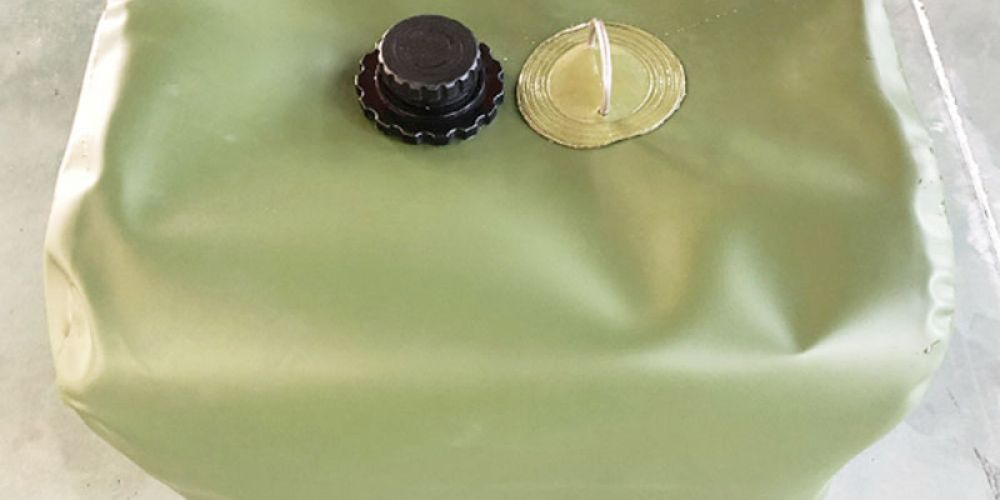
I. Fuel Tanks Revolutionize Energy Transportation 1. Flexible Transportation, Overcoming Spatial Limitations Traditional energy transportation methods…
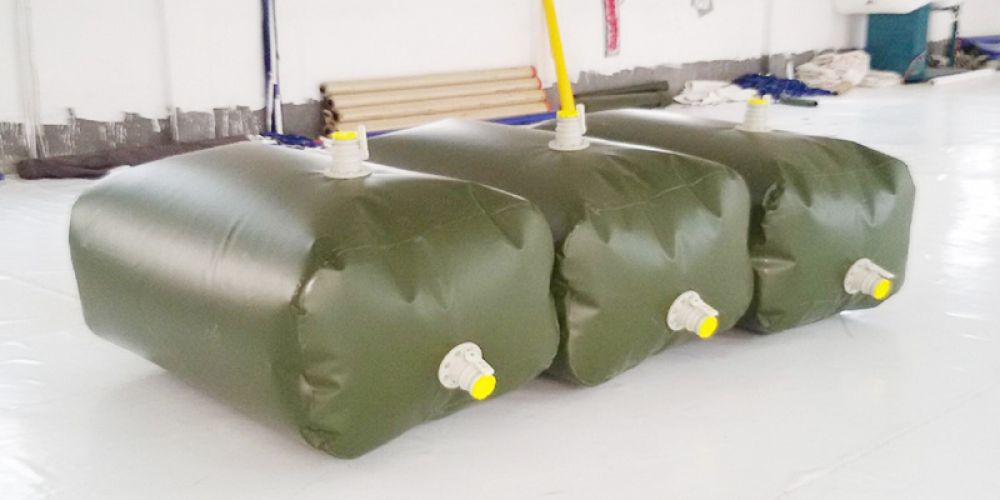
I. Principle of High-Frequency Welding of Oil Bladders High-frequency welding utilizes the skin effect and proximity…
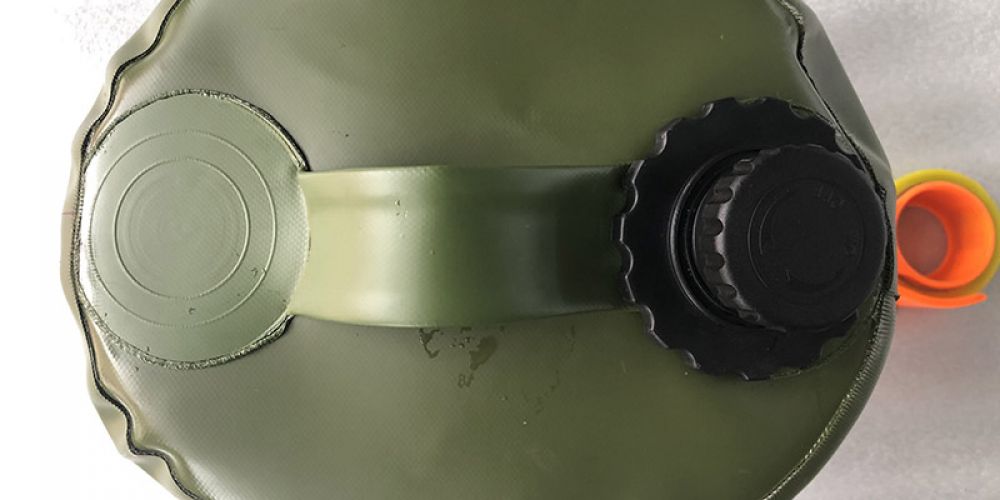
Fuel bladders provide a solid defense for energy transportation safety, primarily due to their material properties…
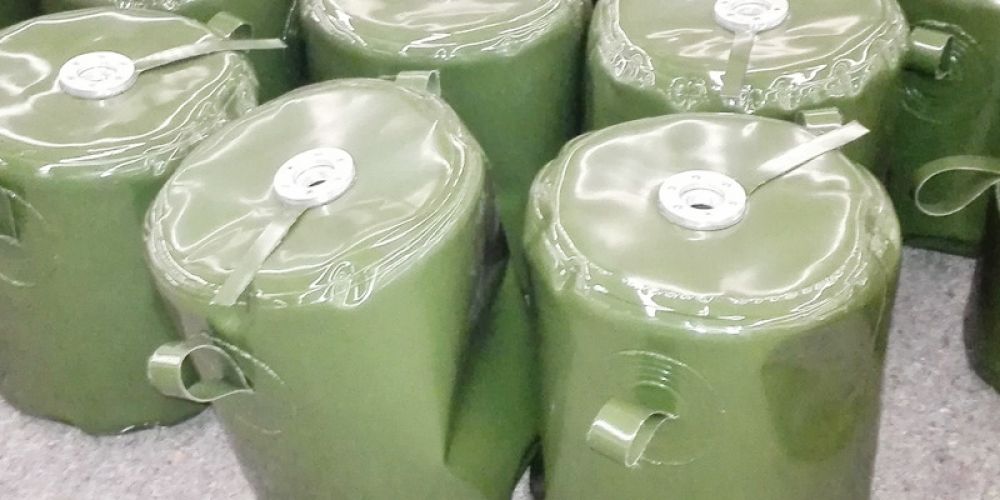
Oil bladders, acting as the "invisible guardians" behind energy transportation, exhibit unique advantages in materials, design…