

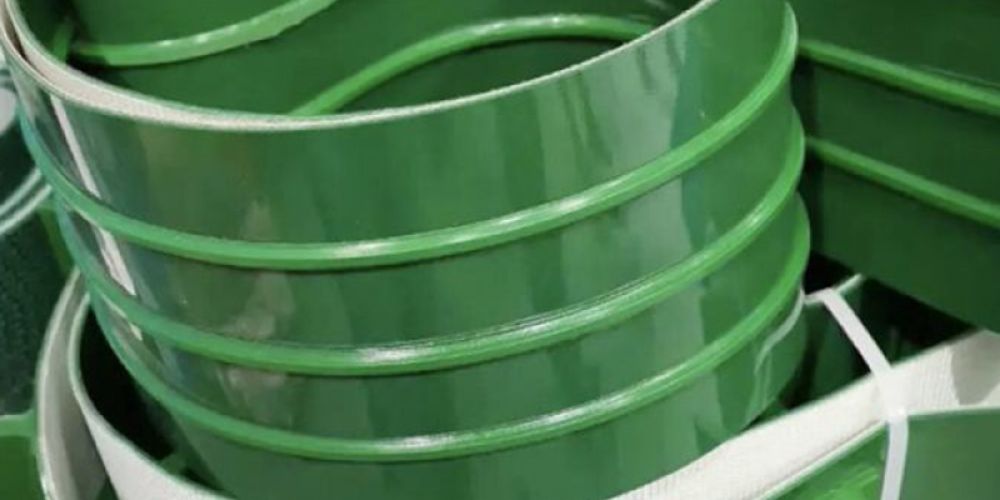
I. Different types of cleats and sidewall designs play unique roles in conveyor belt systems
1. PVC and PU cleats: Cleats made from these materials are typically lightweight and easy to install, offering good chemical and abrasion resistance. They are suitable for various environments, including food processing, pharmaceutical manufacturing, and certain chemical industries. PVC and PU cleats effectively prevent material spillage during transport and enhance material grip on the belt.
2. T-shaped cleats: T-shaped cleats can be selected and adjusted based on specific requirements. Straight cleats are primarily used to prevent material from drifting off the belt; angled cleats serve to guide or redirect material; and specially shaped cleats are designed for materials with unique forms or those requiring specialized handling.
3. S-shaped cleats (sidewall cleats): This design is primarily intended to prevent material from sliding off during transport while also improving grip. Sidewall cleats are generally taller than straight cleats, allowing them to better accommodate materials of various shapes and sizes.
4. Guide strips: Low-profile guide strips are mainly used to stabilize material on the belt, minimizing rolling or sliding. Their design prevents material from veering off course during transport, thereby improving conveying efficiency.
The various cleat and sidewall designs on the carrying side of the belt effectively boost conveying efficiency while ensuring stable and safe material transport. Selecting the appropriate design based on the specific application and material characteristics helps meet production needs and enhances overall productivity.
II. Different types of cleats—such as straight, angled, and specially shaped cleats—are suitable for the following scenarios:
Straight cleats are suitable for applications where material must be prevented from drifting off the conveyor belt. During transport, they effectively stop material from spilling to the sides or deviating from the intended path, ensuring stable delivery to the destination. Straight cleats are commonly used on horizontal or vertical conveyors, particularly for short-distance or high-speed transport.
Angled cleats are suitable for applications requiring material redirection or guidance. During the conveying process, angled baffles guide materials along a predetermined angle, enabling material diversion or merging. Often used on inclined conveyor belts, these baffles direct materials to different locations or facilitate directional changes. This design is particularly suitable for applications requiring the controlled diversion or merging of materials.
Special-profile baffles are designed for handling materials with unique shapes or dimensions. Their distinctive contours accommodate various sizes and forms, preventing materials from rolling or sliding off during transport. Typically used for specific material types—such as round or flat items—these baffles enhance stability and conveying efficiency. This design is especially well-suited for industries like food processing, chemicals, and pharmaceuticals, where the handling of specifically shaped materials is required.
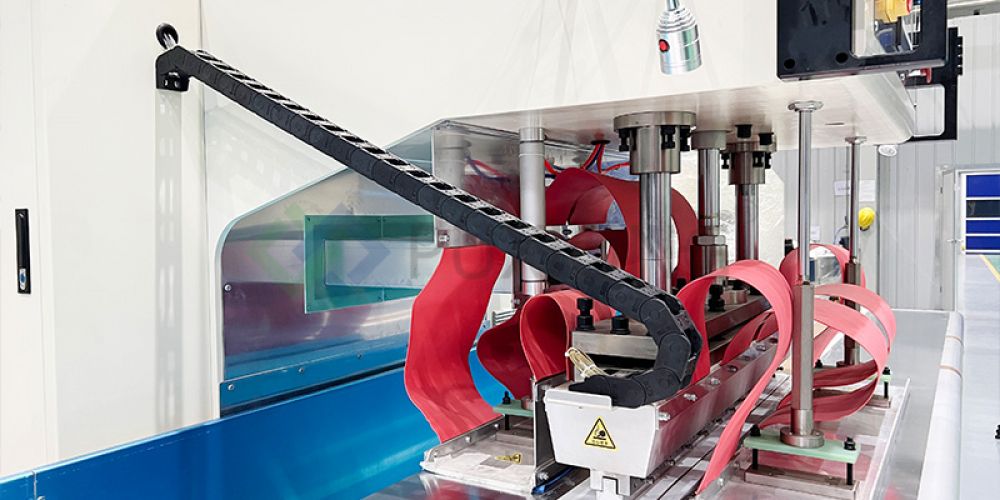
High-frequency welding technology is a key process in tent manufacturing. It achieves precise welding of plastic…
.png)
High-frequency welding and hot air welding for tents differ significantly in principle, applicability, efficiency, and finished…
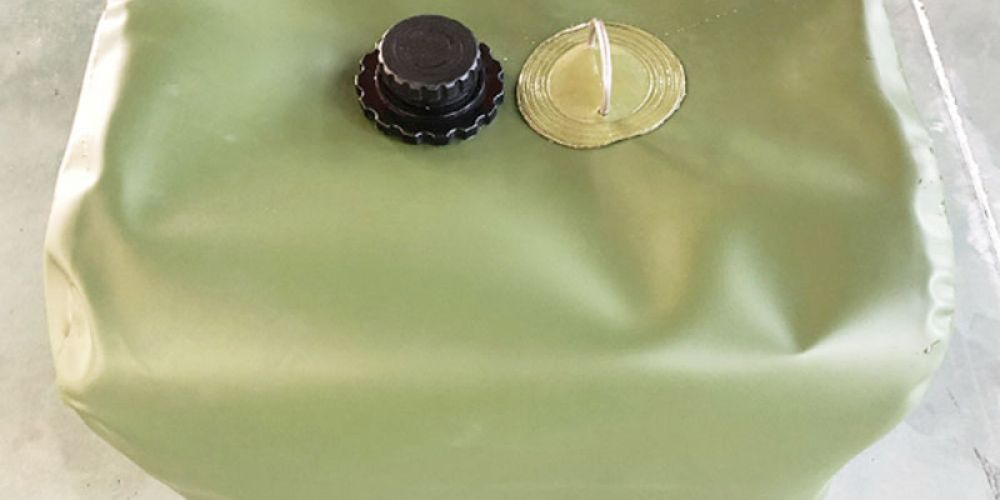
I. Fuel Tanks Revolutionize Energy Transportation 1. Flexible Transportation, Overcoming Spatial Limitations Traditional energy transportation methods…
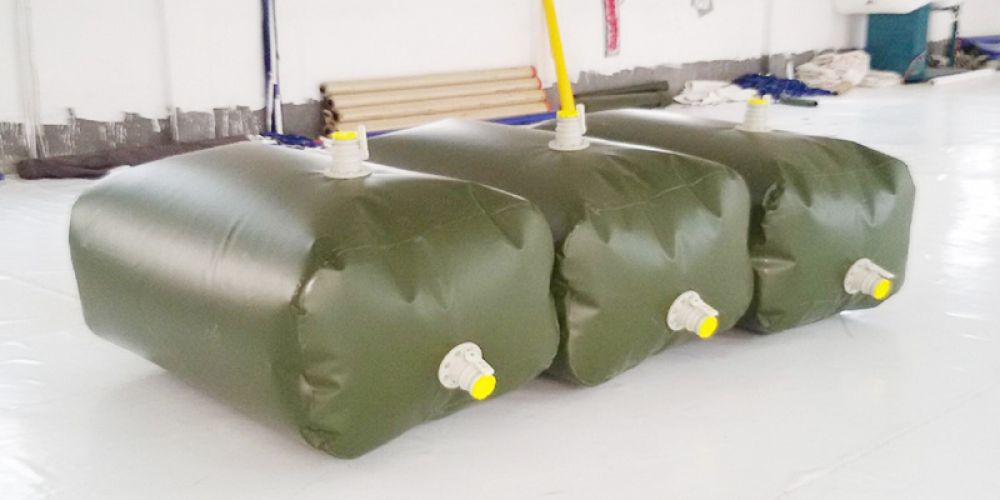
I. Principle of High-Frequency Welding of Oil Bladders High-frequency welding utilizes the skin effect and proximity…
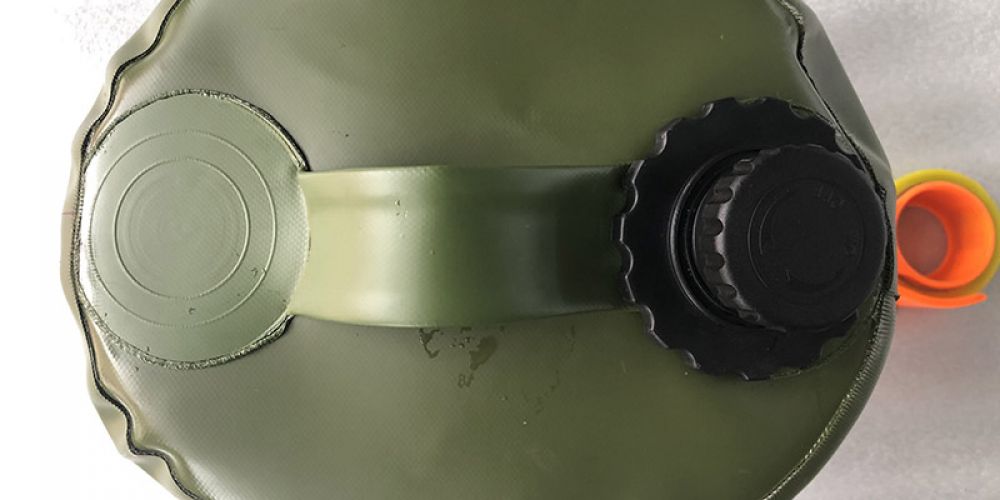
Fuel bladders provide a solid defense for energy transportation safety, primarily due to their material properties…
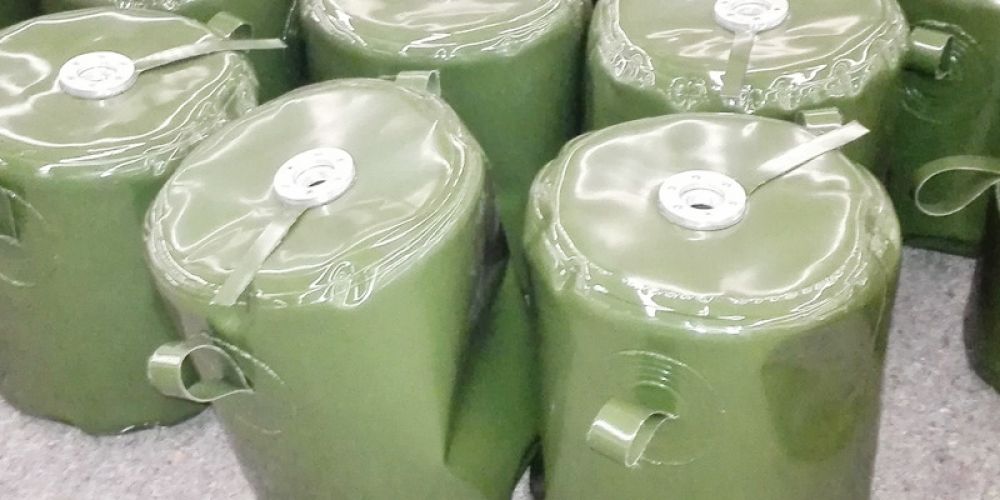
Oil bladders, acting as the "invisible guardians" behind energy transportation, exhibit unique advantages in materials, design…