

.jpg)
Precision-measured drainage bags, through optimized scale design, can significantly improve postoperative care efficiency. The core of this improvement lies in reducing measurement errors, simplifying procedures, and enhancing data reliability. Specifically, optimization can be achieved in the following dimensions:
I. Scale Design Optimization and Improved Care Efficiency
1. High-Precision Scale Reduces Errors: Traditional drainage bags have large scale intervals (e.g., 100ml intervals), which can easily lead to measurement deviations for small amounts of fluid (e.g., less than 50ml). Precision-measured drainage bags use finer scales (e.g., 10ml intervals), combined with transparent materials and deformation-resistant design, which can reduce errors caused by liquid surface tension or bag deformation. For example, a certain brand of precision-measured drainage bag has an error of less than 10ml within a 500ml capacity, ensuring that medical staff can quickly obtain accurate data and reduce the time spent on repeated measurements or estimations.
2. Dual-Scale System Adapts to Multiple Scenarios
For different drainage needs (e.g., small amounts of exudate in the early postoperative period, large amounts of fluid accumulation during the recovery period), a dual-scale design is adopted:
Angled Scale: Used for small amounts of fluid (e.g., exudate within 24 hours postoperatively), improving ease of reading by enlarging the scale intervals. Longitudinal Scale: Used for large volumes of fluid (such as postoperative effusion 3-5 days later), continuous graduations ensure long-term monitoring accuracy. This design avoids frequent changes to drainage bags or adjustments to measuring tools, saving nursing time.
II. Scale Optimization Simplifies Nursing Procedures
1. Direct Reading Replaces External Measurement: Traditional methods require pouring drainage fluid into a measuring cup for measurement, posing a risk of contamination and being cumbersome. Precisely measured drainage bags have graduations that directly read the fluid volume, combined with anti-backflow designs (such as one-way valves) to prevent backflow and contamination. For example, one product uses an air filter membrane to achieve air permeability and water resistance, ensuring clear graduations and unidirectional fluid flow, reducing nurse procedures.
2. Intelligent Scale and Electronic Recording Integration: Some high-end products integrate electronic sensors to transmit graduation readings to the nursing system in real time, automatically generating drainage volume curves. For example, daily drainage volume for postoperative patients can be automatically generated into a trend chart, allowing medical staff to quickly assess complication risks through abnormal fluctuations (such as sudden increases or decreases), reducing manual recording and data analysis time.
III. Scale Optimization and its Role in Ensuring Nursing Quality
1. Standardized Scales Reduce Human Error: Unified scale standards (such as ISO 80369-7) ensure consistency across different batches of products, avoiding reading differences caused by unclear scales or uneven spacing. For example, by introducing standardized, precise-measurement drainage bags, hospitals reduced the drainage volume recording error rate from 15% to 3%, significantly improving nursing quality.
2. Correlation Analysis Between Scale and Drainage Material Properties: Precise scales combined with zoning labels based on liquid color and properties (such as turbidity or bloodiness) help healthcare professionals quickly determine the nature of the drainage material. For example, labels next to the scale such as "Pale yellow, clear fluid is normal" and "Bloody fluid requires vigilance for bleeding" assist non-specialist nurses in quickly identifying abnormalities and improving nursing response speed.
.jpg)
The applications of PVDF membrane materials—involving processes such as coating, sanding, and welding—in the environmental protection…
.jpg)
I. Advantages of Grinding and Welding PVDF-Coated Membrane Fabric 1. Improved Weldability: Grinding removes the surface…
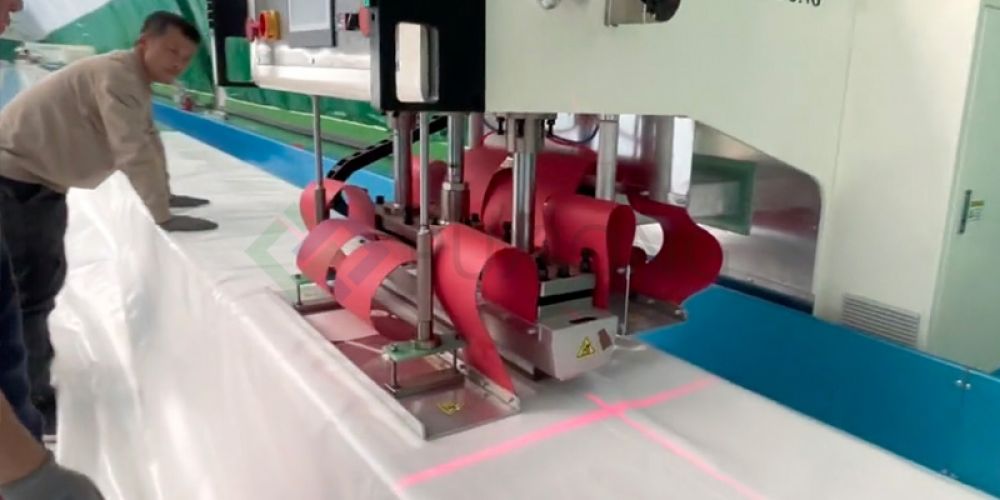
In the field of modern architecture, the construction of large-scale venues requires not only meeting functional…
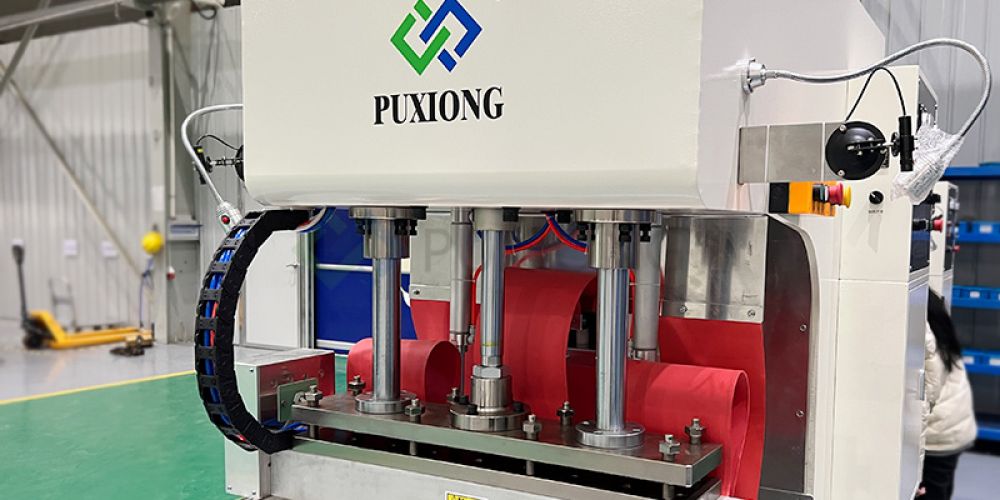
The advantages of high-frequency welding for tensile membrane structures primarily include the following aspects: 1. **Simple…
.jpg)
Welded tensile membrane structures are widely used in landscape architecture and offer significant advantages. The following…

Gas storage bags play a vital role in industrial production by storing gases, regulating pressure, enhancing…