

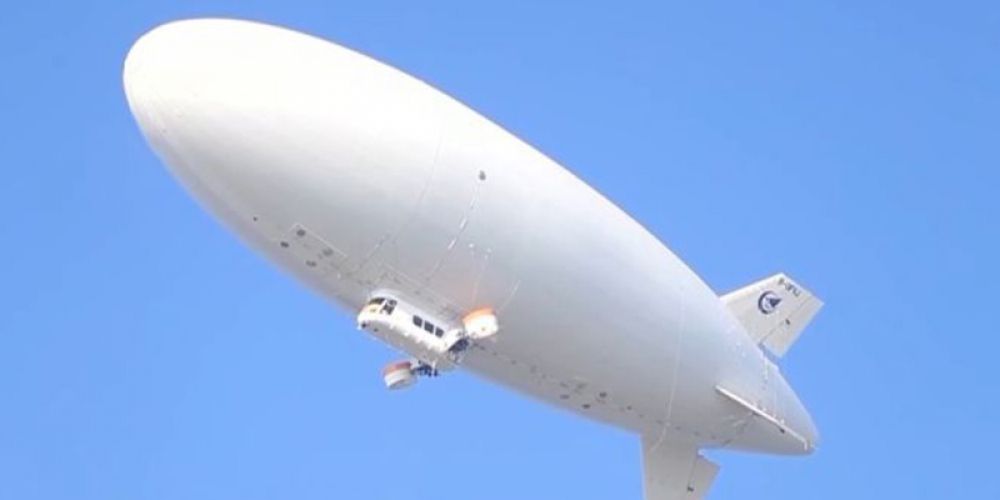
An airship is a type of lighter-than-air aircraft. Below is a detailed introduction to airships:
I. Flight Principles and Structure
1. Flight Principles: Airships fly by utilizing the buoyancy generated by the difference in air density. The gas stored within the envelope (typically hydrogen or helium) is less dense than the surrounding air; confined by the airship's structure, this gas generates upward buoyancy, allowing the airship to rise. Lateral movement is primarily achieved through propulsion systems located on the airship's gondola.
2. Structural Components: The structure of an airship is generally divided into four parts: the envelope (gas bag), the gondola, the control system, and the propulsion system. The envelope holds the lifting gas; the gondola serves as a counterweight and houses the crew, control systems, and propulsion units; the control system adjusts the direction of thrust to steer the airship; and the propulsion system provides the power for horizontal movement.
II. Types of Airships
1. Rigid Airships: These maintain their shape and rigidity through an internal framework (made of metal, wood, etc.) covered by an outer skin; inside the framework are multiple independent gas cells that provide lift.
2. Semi-rigid Airships: These maintain their shape primarily through the gas pressure within the envelope, while also relying partially on a rigid framework.
3. Non-rigid Airships (Blimps): These rely on the internal gas pressure of the envelope to maintain their shape.
III. Lifting Gases
Airship envelopes are typically filled with lifting gases that are less dense than air, such as hydrogen or helium. Modern airships generally use helium, which offers superior safety, to provide lift.
IV. Application Scenarios
1. Military: Military airships can ascend, descend, and fly quietly and smoothly. They can carry high-tech surveillance equipment and large radar antennas (integrated into the envelope itself) and are subject to few limitations regarding shape and size.
2. Civil: Large civil airships can be used for transportation, logistics, entertainment, disaster relief, film and television production, scientific experiments, and more. For example, in the event of a natural disaster, an aerostat can be rapidly deployed; by carrying a communications relay on the balloon, mobile communication services across the entire disaster zone can be restored within a short period.
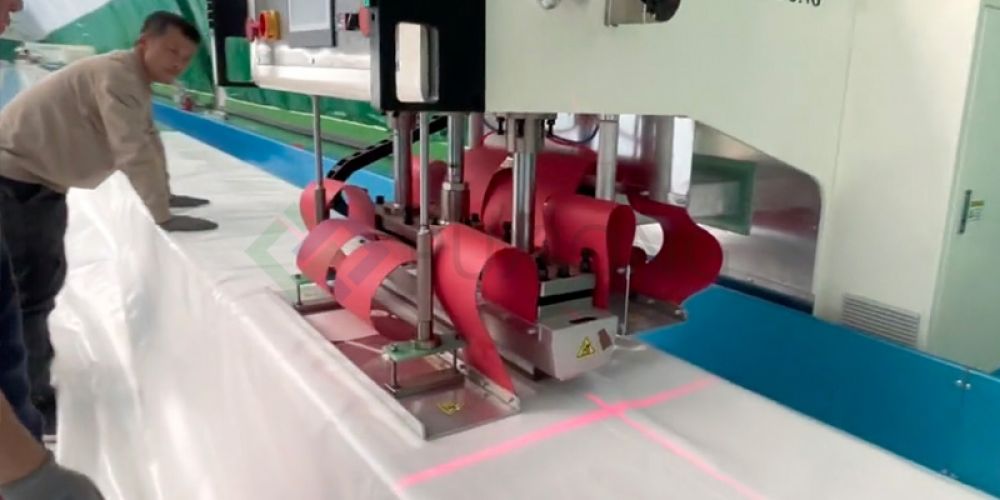
In the field of modern architecture, the construction of large-scale venues requires not only meeting functional…
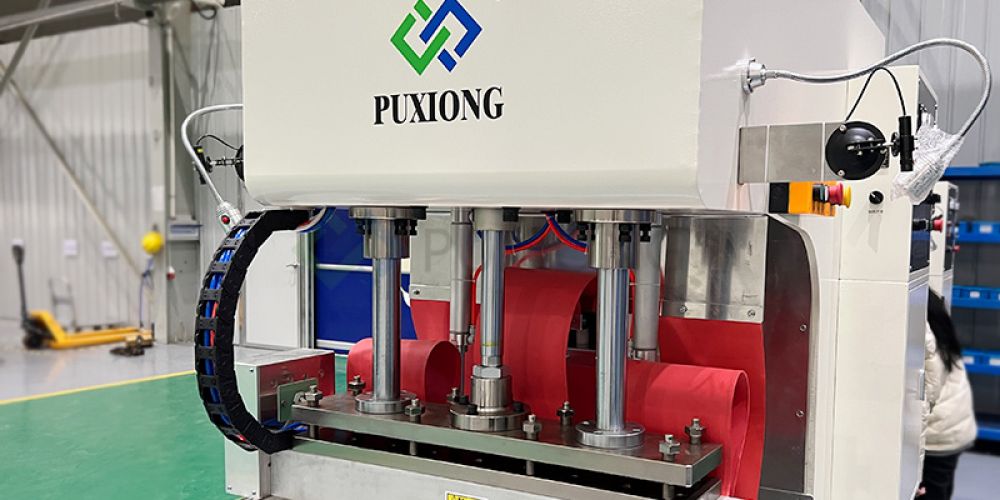
The advantages of high-frequency welding for tensile membrane structures primarily include the following aspects: 1. **Simple…
.jpg)
Welded tensile membrane structures are widely used in landscape architecture and offer significant advantages. The following…

Gas storage bags play a vital role in industrial production by storing gases, regulating pressure, enhancing…
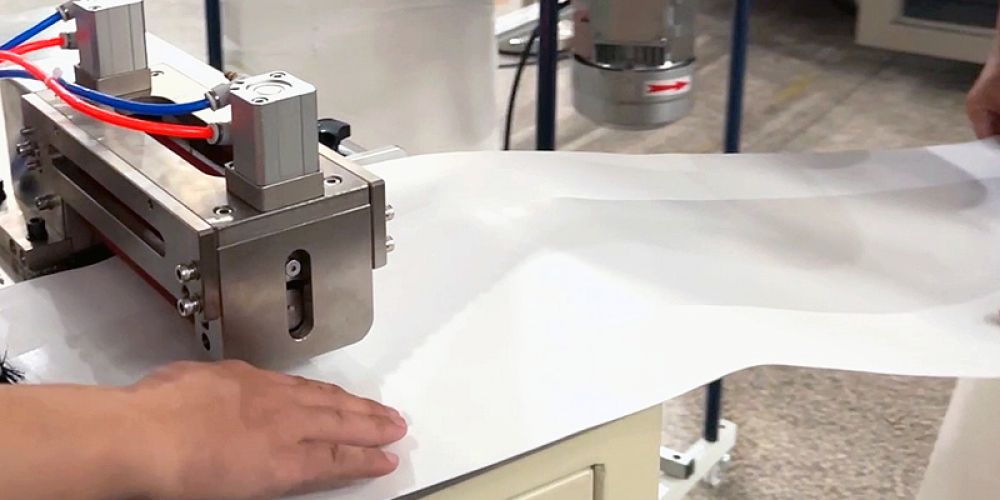
The welding process for PVDF-coated membrane fabrics offers significant competitive advantages over other welding methods, particularly…
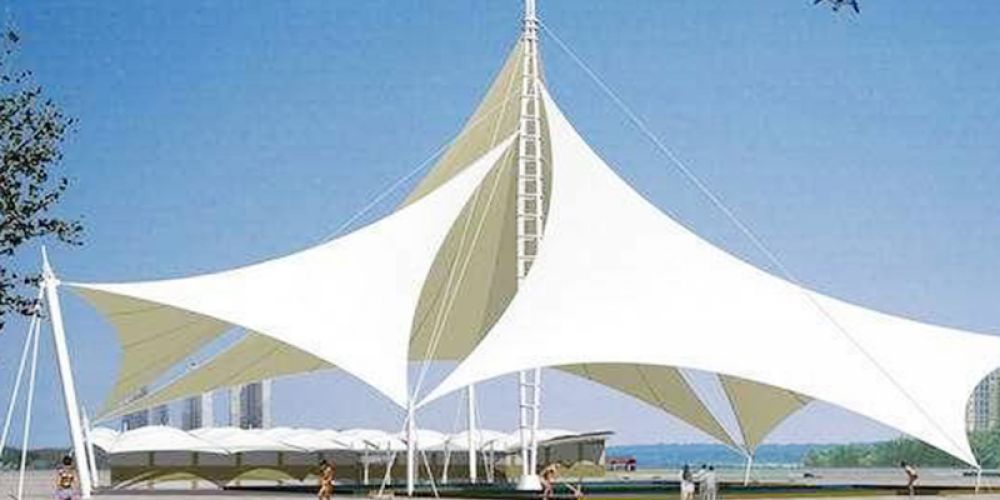
I. Application Scenarios for Tensile Membrane Structures Due to their unique mechanical properties and aesthetic versatility…