

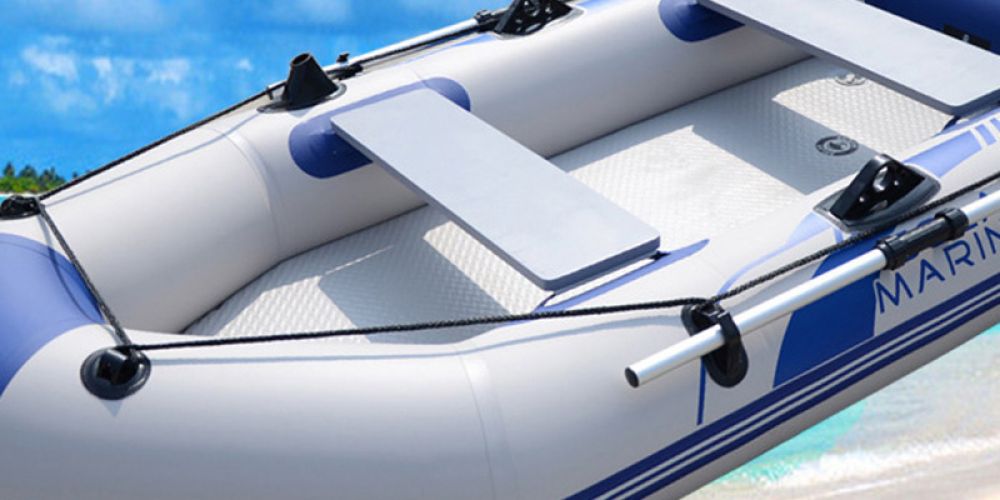
An inflatable boat is a vessel that derives its buoyancy from inflation; it is characterized by being lightweight, foldable, and easy to transport. Below is a detailed introduction covering materials, structure, performance, application scenarios, and purchasing considerations:
I. Materials
1. PVC: PVC inflatable boats are common due to the relatively low cost of the material, which offers good water resistance and durability. However, PVC performs only moderately regarding UV and aging resistance; prolonged exposure to sunlight can lead to issues such as material degradation or cracking.
2. Nylon: Nylon inflatable boats offer high strength, excellent abrasion resistance, and relatively low weight. With superior tear resistance, they are suitable for use in more challenging aquatic environments. However, nylon is a costlier material, resulting in a higher price point for the boat.
3. Hypalon: This is a high-quality rubber-coated fabric featuring an internal fabric base, which provides enhanced strength upon inflation. Hypalon boasts excellent abrasion, tear, and aging resistance, as well as superior weatherability, making it adaptable to diverse and demanding water conditions—though it comes at a higher price.
II. Structure
1. Hull: Typically constructed from airtight, elastic material, the hull forms the inflatable buoyancy chambers (sponsons) that constitute the sides of the boat; these are connected to the floor and take on a specific shape when inflated. Common hull shapes include round and V-shaped designs, each offering different performance characteristics in the water.
2. Air Chambers: The inflatable buoyancy tubes are divided into multiple independent air chambers, separated by highly airtight partitions. This design ensures that if one chamber is punctured, the others maintain sufficient buoyancy; even if two or more adjacent chambers are damaged simultaneously, the boat retains enough buoyancy to stay afloat, offering excellent resistance to sinking.
3. Accessories: Standard accessories generally include oars, oarlocks, pumps, inflation/deflation valves, and seating. High-end models may also feature add-ons such as sun canopies, fishing rod holders, and motor mounts to meet the specific needs of different users. III. Performance
1. Buoyancy: The high-strength hull contains multiple independent air chambers that inflate in parallel, much like a cluster of balloons. When fully inflated, the large volume displaces a significant amount of water, generating sufficient buoyancy to support passengers and cargo.
2. Stability: Stability is enhanced through design features such as a low center of gravity, a symmetrical inflatable structure, and stern-mounted deflectors or stabilizing fins. For instance, passengers lying or sitting along the sides of the hull keep the center of gravity close to the water surface; the air chambers on the left and right are symmetrical, with the tow line attached at the center; and stern deflectors help minimize yaw caused by water turbulence.
3. Impact Resistance: Inflatable boats feature buoyancy tubes along their sides, which minimize the risk of the hull tipping sideways into the water and provide effective shock absorption against impacts. Additionally, some inflatable boats utilize specialized materials and manufacturing techniques to enhance hull strength and abrasion resistance.
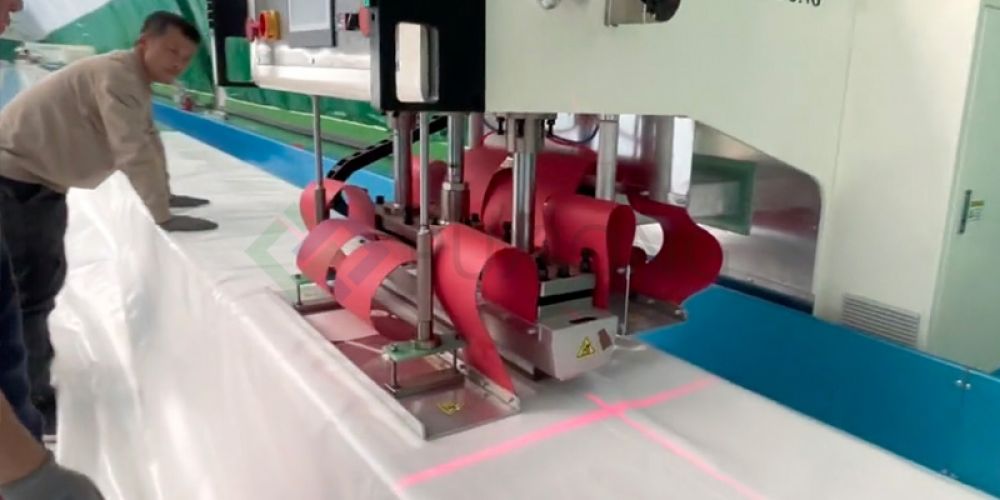
In the field of modern architecture, the construction of large-scale venues requires not only meeting functional…
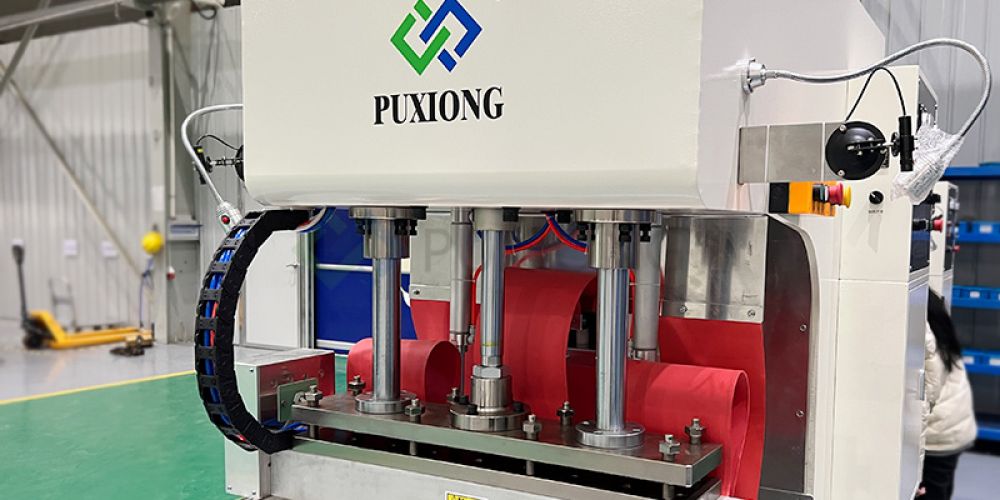
The advantages of high-frequency welding for tensile membrane structures primarily include the following aspects: 1. **Simple…
.jpg)
Welded tensile membrane structures are widely used in landscape architecture and offer significant advantages. The following…

Gas storage bags play a vital role in industrial production by storing gases, regulating pressure, enhancing…
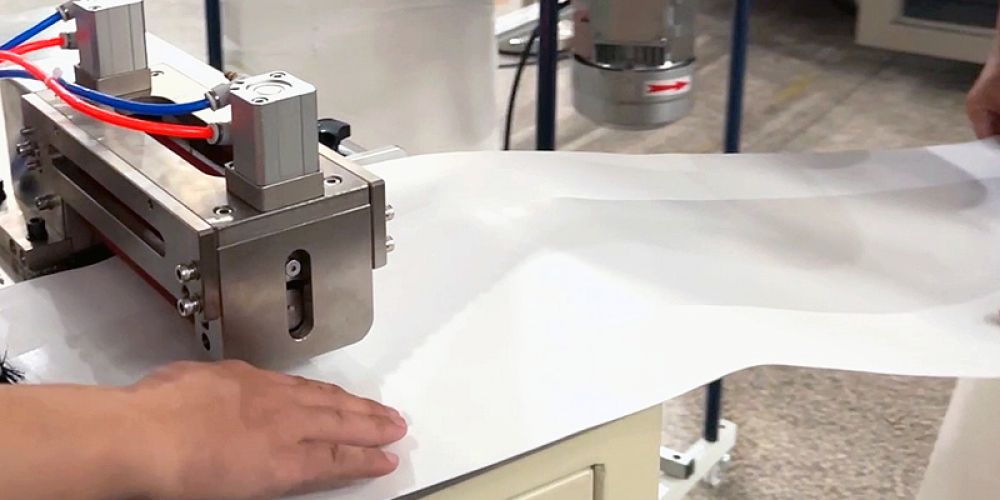
The welding process for PVDF-coated membrane fabrics offers significant competitive advantages over other welding methods, particularly…

I. Application Scenarios for Tensile Membrane Structures Due to their unique mechanical properties and aesthetic versatility…