

.jpg)
As a type of lighter-than-air aircraft, airships possess unique flight characteristics and advantages, making them suitable for a wide range of applications across various sectors. The following is a comprehensive summary of airship application scenarios:
I. Military Sector
1. Reconnaissance and Surveillance: Airships offer long endurance, allowing them to carry high-definition cameras, radar, and other reconnaissance equipment for continuous monitoring of enemy targets; they offer significant advantages in missions such as border patrols and maritime surveillance. Their stealth and low-noise characteristics make them difficult for enemy radar to detect, making them ideal for covert reconnaissance missions.
2. Communication Relay: Airships can carry communication equipment to serve as aerial relay stations, providing stable communication support on the battlefield—particularly in areas with complex terrain or damaged communication infrastructure.
3. Electronic Warfare: Airships can be equipped with electronic jamming devices to disrupt enemy communication and radar systems, thereby degrading their operational capabilities.
4. Anti-Submarine and Anti-Ship Operations: Airships can carry equipment such as sonar buoys to detect and track submarines, as well as weaponry like anti-ship missiles to engage enemy vessels.
II. Civil Sector
1. Transportation: Airships can be used to transport cargo to remote or hard-to-reach areas—such as mountainous regions or islands—thereby reducing costs and improving efficiency. Future developments may include passenger airships for short-haul travel or sightseeing, offering a unique flight experience.
2. Tourism and Sightseeing: With their smooth and quiet flight characteristics, airships are ideal for carrying tourists on low-altitude sightseeing tours to enjoy cityscapes or natural scenery. They can also integrate VR technology to provide tourists with an immersive sightseeing experience.
3. Advertising and Promotion: Airships can display large advertising banners while cruising over cities, delivering high visual impact and effective publicity.
4. Emergency Rescue: During natural disasters or emergencies, airships can rapidly reach the scene to conduct damage assessments, deliver supplies, or assist with personnel evacuation. Their long endurance allows them to provide sustained support to rescue operations. 5. Environmental monitoring: Airships can carry environmental monitoring equipment to monitor the atmosphere, water quality, soil, and more, providing data support for environmental protection.
6. Scientific experiments: Airships can be used for high-altitude scientific experiments—such as atmospheric sampling and meteorological observation—serving as a platform for scientific research.
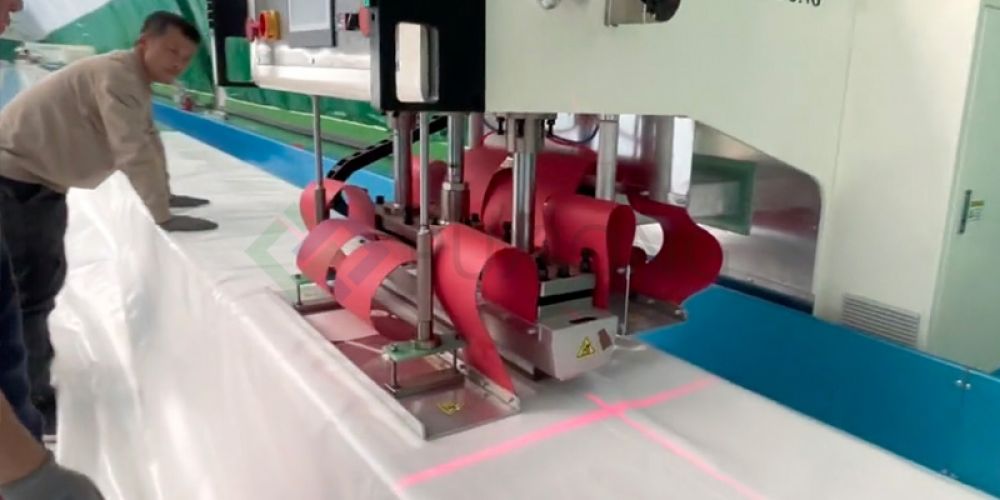
In the field of modern architecture, the construction of large-scale venues requires not only meeting functional…
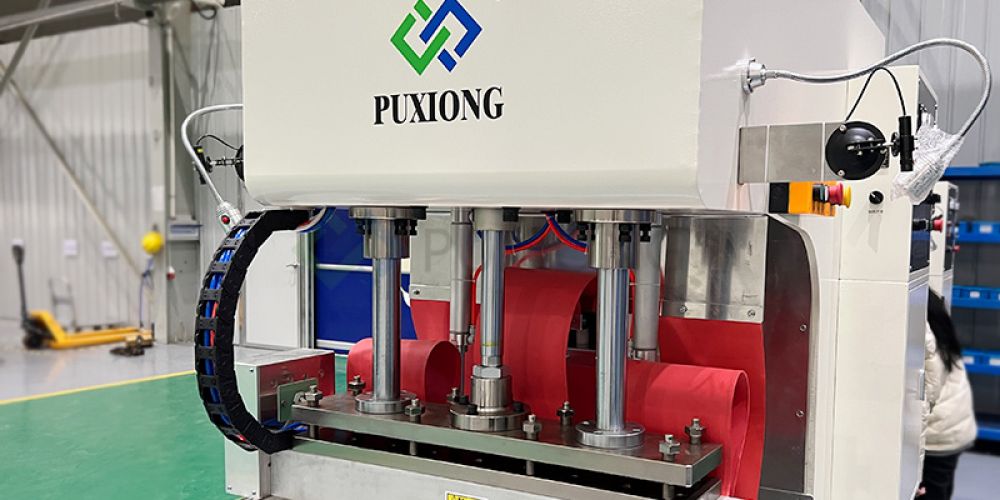
The advantages of high-frequency welding for tensile membrane structures primarily include the following aspects: 1. **Simple…
.jpg)
Welded tensile membrane structures are widely used in landscape architecture and offer significant advantages. The following…

Gas storage bags play a vital role in industrial production by storing gases, regulating pressure, enhancing…
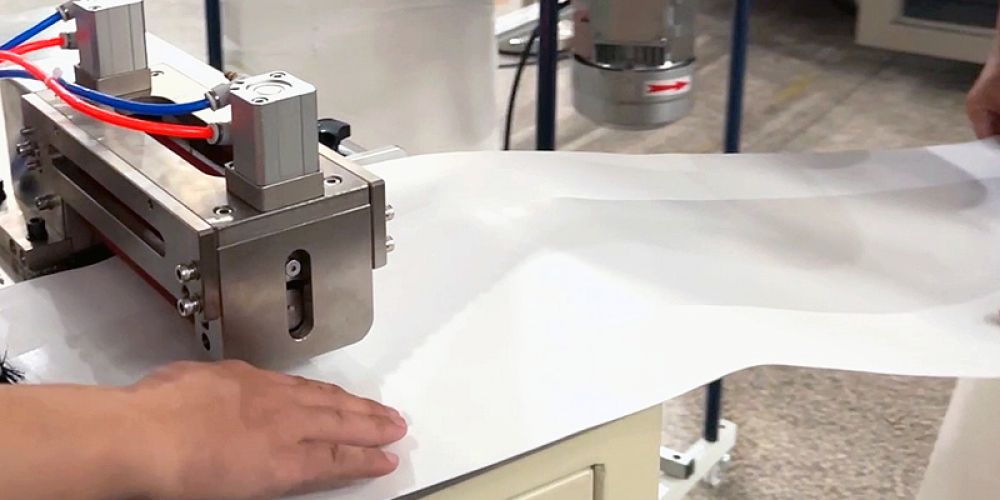
The welding process for PVDF-coated membrane fabrics offers significant competitive advantages over other welding methods, particularly…

I. Application Scenarios for Tensile Membrane Structures Due to their unique mechanical properties and aesthetic versatility…