

.png)
The evolution of blood bag materials from PVC to TPU represents a significant upgrade in environmental protection and safety, as detailed below:
I. Limitations of PVC Blood Bags
1. Plasticizer Risk: PVC is inherently hard and brittle. To meet usage requirements, plasticizers are often added, the most common being di(2-ethylhexyl) phthalate (DEHP). DEHP is a widely recognized endocrine disruptor that can leak from medical products such as intravenous tubing into the patient's body, affecting the intrinsic quality of the medication. Long-term use may also impair the patient's hematopoietic function.
2. Environmental Issues: PVC produces chlorine gas during both production and disposal. Manufacturing PVC requires large amounts of chlorine, which is highly energy-intensive. Some factories also use mercury or asbestos. Vinyl chloride, a major component of PVC, produces highly toxic dioxins during production. Both vinyl chloride and dioxins are proven carcinogens. Dioxins are also released when PVC materials are incinerated after disposal.
3. Other drawbacks: PVC material itself is breathable and permeable, posing significant challenges to the sterilization process during manufacturing. Poor temperature control during sterilization can cause the infusion bags to absorb water, turn white, and become opaque, necessitating additional outer packaging for storage. Furthermore, PVC material is prone to particle shedding, affecting product clarity.
II. Advantages of TPU Blood Bags
1. No plasticizers required: TPU does not require plasticizers to achieve flexibility, thus eliminating the risk of phthalates migrating from medical devices into medications or the human body. In fact, TPU softens when used inside the body; this characteristic of sufficient rigidity before insertion and flexibility after penetration ensures patient comfort.
2. Good environmental performance: TPU is easily incinerated and does not release corrosive substances or other hazardous chemicals produced when PVC is burned.
3. Convenient processing and sterilization: TPU does not require specialized equipment for processing or treatment and can be easily sterilized using various methods, such as radiation sterilization and ethylene oxide sterilization.
4. High Material Strength: From a material quality perspective, TPU's strength is significantly higher than PVC and other alternative materials, enabling the fabrication of thin-walled catheters and medical bags with higher resistance to internal pressure. Medical device structures made with TPU are not only more durable and require less material, but are also less likely to be damaged in the frequently used hospital environment.
5. Superior Overall Performance: Compared to TPE, TPU is more resistant to bending, easier to bond, easier to co-extrude with other materials, and has better biocompatibility and biostability; compared to silicone rubber, it has superior mechanical and processing properties, allowing for thinner walls at the same strength, reducing patient discomfort; and compared to EVA, it offers better transparency and aesthetics.
.jpg)
The applications of PVDF membrane materials—involving processes such as coating, sanding, and welding—in the environmental protection…
.jpg)
I. Advantages of Grinding and Welding PVDF-Coated Membrane Fabric 1. Improved Weldability: Grinding removes the surface…
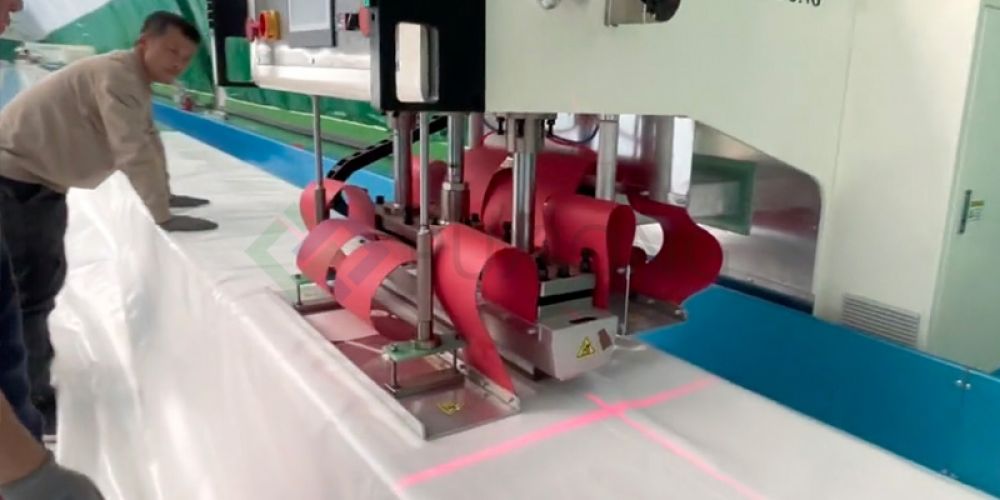
In the field of modern architecture, the construction of large-scale venues requires not only meeting functional…
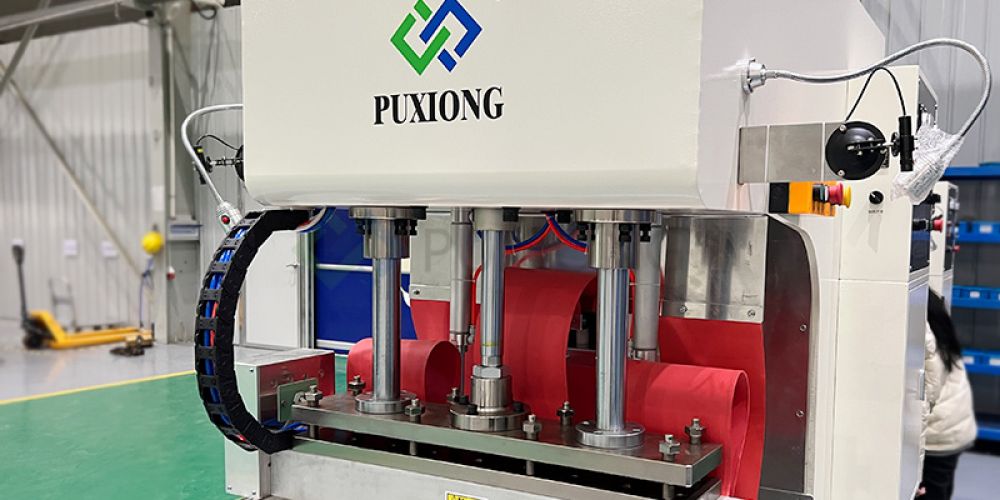
The advantages of high-frequency welding for tensile membrane structures primarily include the following aspects: 1. **Simple…
.jpg)
Welded tensile membrane structures are widely used in landscape architecture and offer significant advantages. The following…

Gas storage bags play a vital role in industrial production by storing gases, regulating pressure, enhancing…