

.jpg)
In blood bag sterilization validation, biological indicators ensure sterilization effectiveness through the following methods:
1. Selecting suitable microbial strains: For different sterilization methods, select strains with higher tolerance than the microorganisms that may contaminate the product to be sterilized. For example, in moist heat sterilization, the most commonly used biological indicator is *Bacillus stearothermophilus* spores, such as NCTC10007, NCIMB8157, and ATCC7953, with a D value of 1.5–3.0 min, 5 × 10⁵–5 × 10⁶ viable spores per tablet (or bottle), which should be completely killed at 121°C for 19 min.
2. Determining spore tolerance: In biological indicator validation tests, it is necessary to determine the spore tolerance under actual sterilization conditions and to measure the purity and quantity of spores. During validation, the amount of microorganisms used in the biological indicator should be greater than the amount of microbial contamination detected routinely, indicating strong tolerance, to ensure greater safety of the sterilization procedure.
3. Scientific Placement of Biological Indicators: Before sterilization, place the biological indicators inside the items to be sterilized or in representative locations, ensuring they are fully exposed to the sterilization environment. For example, in terminal sterilization, biological indicators should be placed in different parts of the sterilization cabinet, avoiding direct contact between the indicators and the items being sterilized.
4. Standardized Incubation and Observation: After sterilization, remove the biological indicators and incubate them under suitable conditions. Different biological indicators require different incubation conditions; generally, bacterial spore biological indicators require incubation at 37°C or 56°C for 24 hours to 7 days. Analyze the changes in the indicator system to determine the results. For example, a change in color from purple to yellow usually indicates microbial growth and sterilization failure; if the color remains unchanged, sterilization is successful. Some biological indicators also display results through fluorescence or other methods.
5. Conduct Biological Indicator Challenge Tests: Demonstrate that the developed sterilization procedure actually achieves the biokilling time specified in the program design. Choose an appropriate biological indicator system. In the validation of overkill procedures, the cycle end F₀>12, and the D₁₂₁℃ of the biological indicator should be greater than 1. Commonly used systems include *Bacillus stearothermophilus*. In the validation of sterilization procedures designed using the "residual probability method," the heat resistance of the biological indicator should be greater than the heat resistance of the product's bioload, and a certain safety margin should be included, taking into account historical bioload data.
6. Set up controls and evaluation: The biological indicator challenge test should include a positive control, and it should be confirmed that the amount of biological indicator at the inoculation site is sufficient and free from other interferences. Evaluate the results to ensure that the logarithmic decrease of spores in the test meets the predetermined requirements, and that the product's microbial survival probability (PNSU) is less than 10⁻⁶.
.jpg)
The applications of PVDF membrane materials—involving processes such as coating, sanding, and welding—in the environmental protection…
.jpg)
I. Advantages of Grinding and Welding PVDF-Coated Membrane Fabric 1. Improved Weldability: Grinding removes the surface…
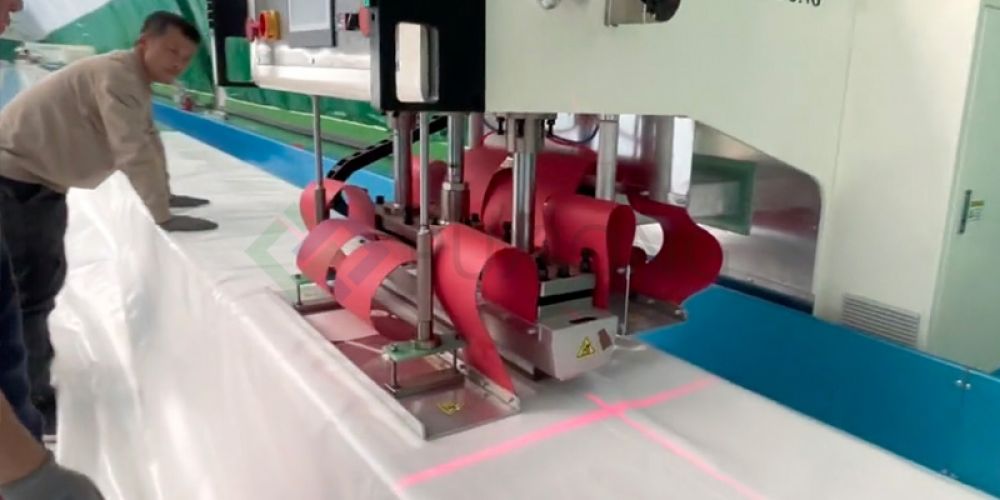
In the field of modern architecture, the construction of large-scale venues requires not only meeting functional…
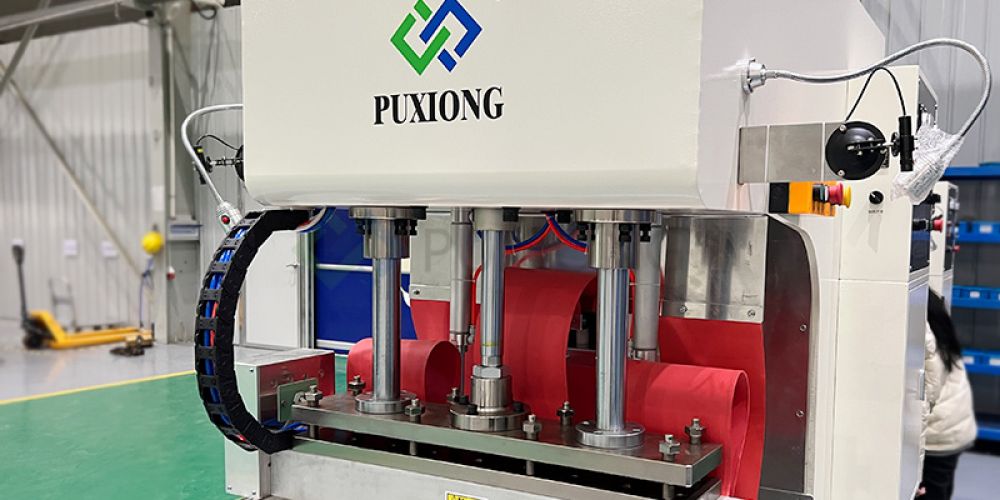
The advantages of high-frequency welding for tensile membrane structures primarily include the following aspects: 1. **Simple…
.jpg)
Welded tensile membrane structures are widely used in landscape architecture and offer significant advantages. The following…

Gas storage bags play a vital role in industrial production by storing gases, regulating pressure, enhancing…