

.jpg)
Lightweight design of blood bags can reduce transportation energy consumption and carbon emissions by optimizing materials, structure, and packaging methods. Specific measures include:
1. Material Lightweighting
Using low-density materials: Employing lightweight, high-strength packaging materials (such as low-density plastics or composite materials) reduces weight while maintaining the mechanical properties of the blood bags, thus reducing energy consumption during transportation.
Reducing material usage: By improving material formulations or processes, reducing material thickness or density while ensuring the strength and safety of the blood bags, the transportation weight is reduced.
2. Structural Optimization
Reducing packaging layers: Simplifying the packaging structure of blood bags avoids material waste and increased weight caused by multiple layers of packaging.
Optimizing shape design: Designing more compact blood bag shapes reduces space occupation and improves transportation efficiency. For example, using flattened designs or foldable structures reduces volume during transportation.
3. Improved Packaging Methods
Using modular packaging: Packing blood bags according to standard sizes facilitates stacking and transportation, increases the loading rate of transportation vehicles, reduces empty loads, and thus reduces energy consumption.
Containerized Transportation: Utilizing palletized and containerized transportation methods, multiple blood bags are transported together, reducing the weight and volume of individual packages and improving transportation efficiency.
4. Transportation Process Optimization
Optimized Transportation Routes: By optimizing transportation routes, transportation distance and time are reduced, lowering energy consumption and carbon emissions.
Adopting Low-Carbon Transportation Methods: Prioritizing low-carbon transportation methods such as rail and water transport, reducing the proportion of road transport, and lowering carbon emissions.
5. Recycling and Reuse
Promoting Reusable Packaging: Designing reusable blood bag packaging reduces the use of single-use packaging, lowering material consumption and waste generation.
Recycling Waste Packaging: Recycling discarded blood bag packaging reduces resource waste and carbon emissions.
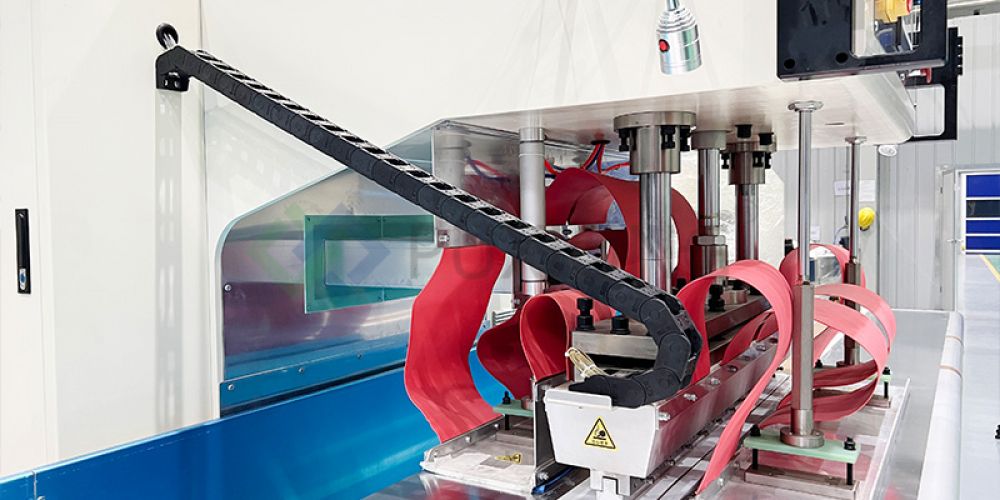
High-frequency welding technology is a key process in tent manufacturing. It achieves precise welding of plastic…
.png)
High-frequency welding and hot air welding for tents differ significantly in principle, applicability, efficiency, and finished…
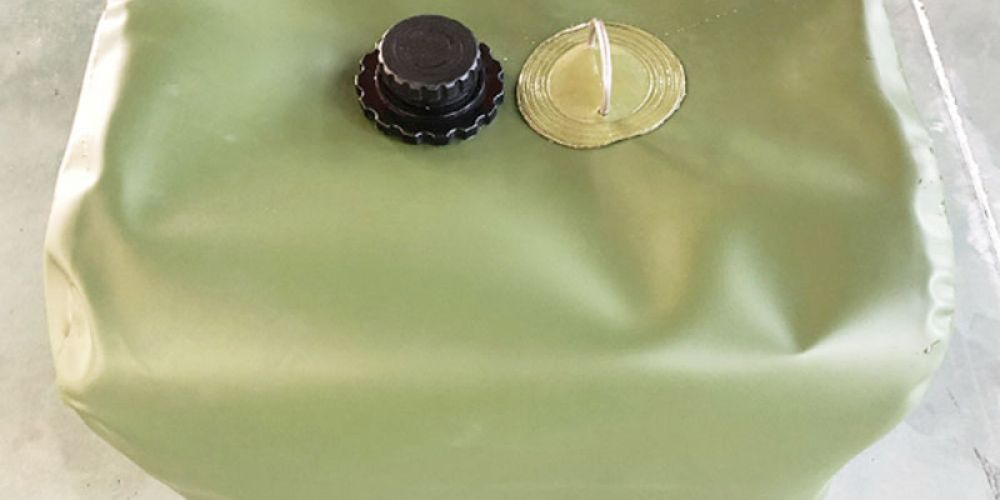
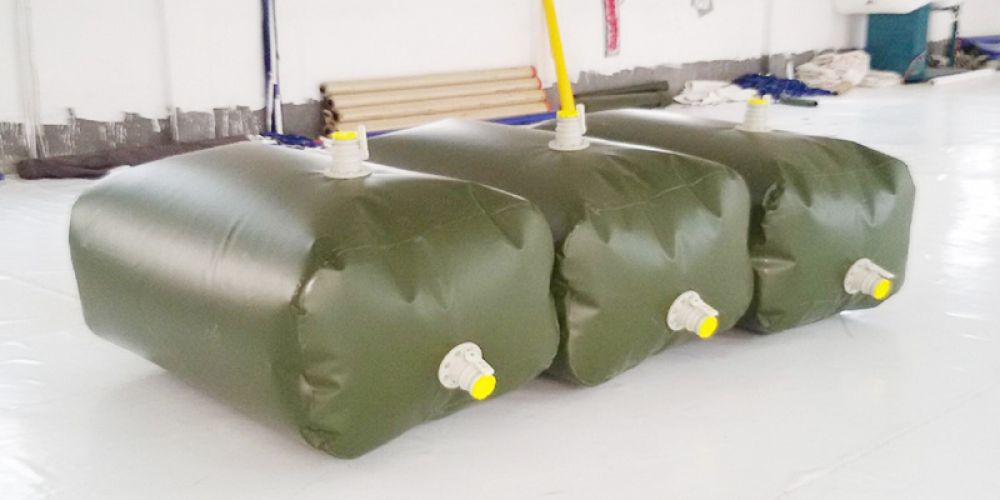
I. Fuel Tanks Revolutionize Energy Transportation 1. Flexible Transportation, Overcoming Spatial Limitations Traditional energy transportation methods…
I. Principle of High-Frequency Welding of Oil Bladders High-frequency welding utilizes the skin effect and proximity…
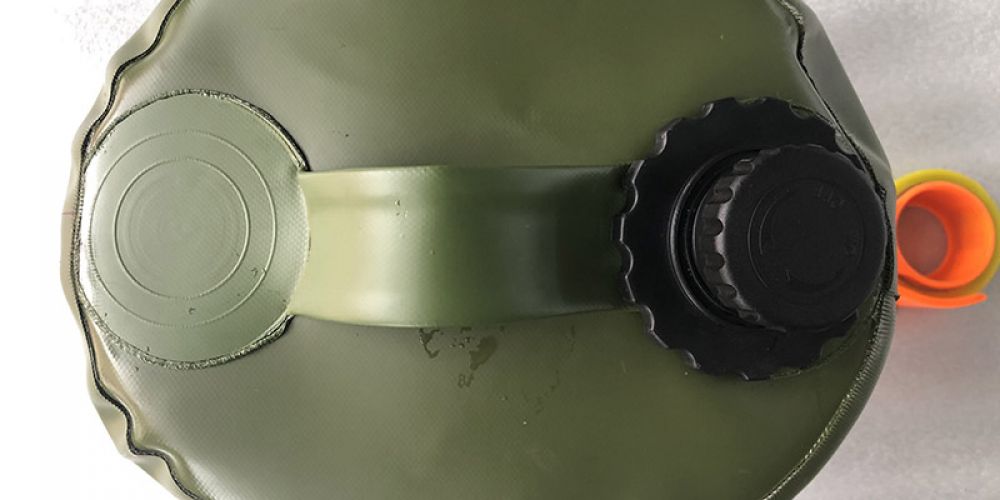
Fuel bladders provide a solid defense for energy transportation safety, primarily due to their material properties…
Oil bladders, acting as the "invisible guardians" behind energy transportation, exhibit unique advantages in materials, design…