

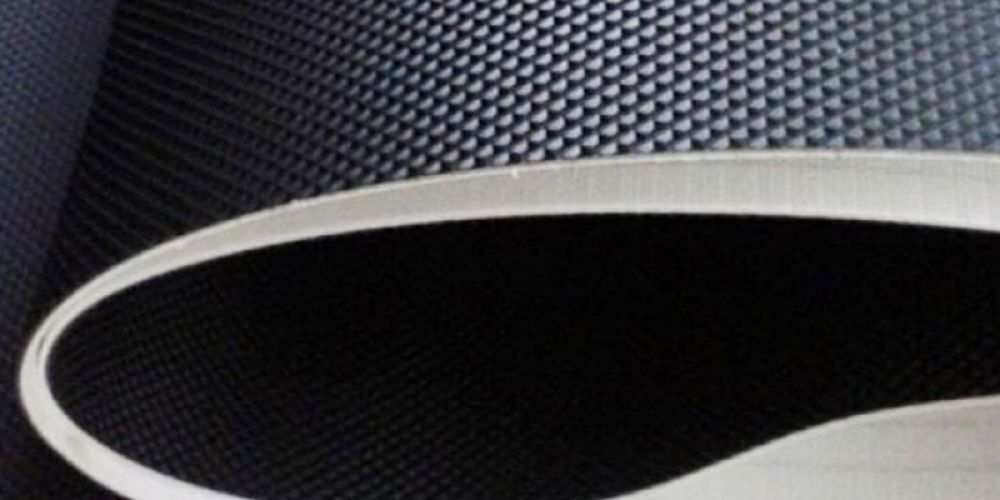
Treadmill belts are the conveyor belts used on treadmills, typically made of non-slip, wear-resistant, soft, and environmentally friendly materials. Depending on the materials and manufacturing processes, treadmill belts can be categorized into several types. Common materials include PVC, PU, and rubber, with PVC and PU being the two most prevalent on the market. PVC treadmill belts are affordable, wear-resistant, and heat-resistant, but they are prone to aging and hardening, requiring regular replacement. PU treadmill belts, on the other hand, are soft, comfortable, and shock-absorbing, but are more expensive.
Besides the material, the structure and design of the treadmill belt also affect its performance and lifespan. For example, some treadmill belts are designed with anti-slip textures or protrusions to increase friction and stability, preventing slippage or deviation during running. Additionally, the treadmill belt needs to work in conjunction with other parts of the treadmill, such as the motor, belt, and control panel, to ensure proper operation and effectiveness.
The structure and design of the treadmill belt have a significant impact on its performance and lifespan. Here are some factors that may affect the performance and lifespan of a treadmill belt:
1. Materials: The materials used in the treadmill belt have a significant impact on its performance and lifespan. 1. **High-Quality Treadmill Belts:** High-quality treadmill belts are typically made of wear-resistant, slip-resistant, and heat-resistant materials, effectively improving their lifespan and stability.
2. **Structure:** The structure of the treadmill belt also affects its performance and lifespan. For example, some treadmill belts are designed with anti-slip textures or protrusions to increase friction and stability, preventing slippage or deviation during running. This design improves the belt's anti-slip performance and lifespan.
3. **Thickness and Width:** The thickness and width of the treadmill belt also affect its performance and lifespan. Thicker belts provide better cushioning and stability, while wider belts offer better support and comfort. These factors contribute to a longer lifespan and improved comfort.
4. **Seam Construction:** The quality of the treadmill belt is greatly influenced by its seam construction. High-quality seams result in a smoother, stronger belt, less prone to detachment or breakage, thus improving its lifespan and stability.
5. **Maintenance and Care:** Proper maintenance and care are also crucial for ensuring the performance and lifespan of the treadmill belt. Regular cleaning, lubrication, and inspection can effectively extend the lifespan of the treadmill belt and keep it in good working order.
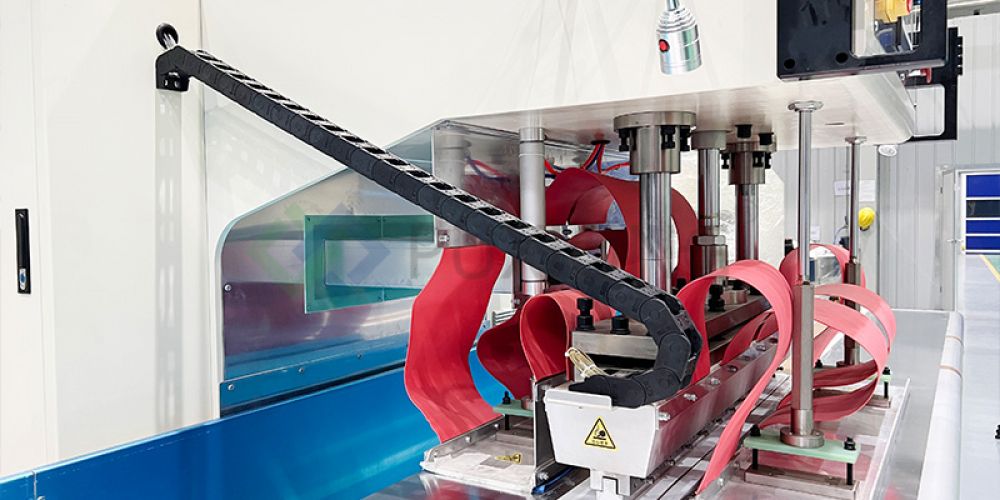
High-frequency welding technology is a key process in tent manufacturing. It achieves precise welding of plastic…
.png)
High-frequency welding and hot air welding for tents differ significantly in principle, applicability, efficiency, and finished…
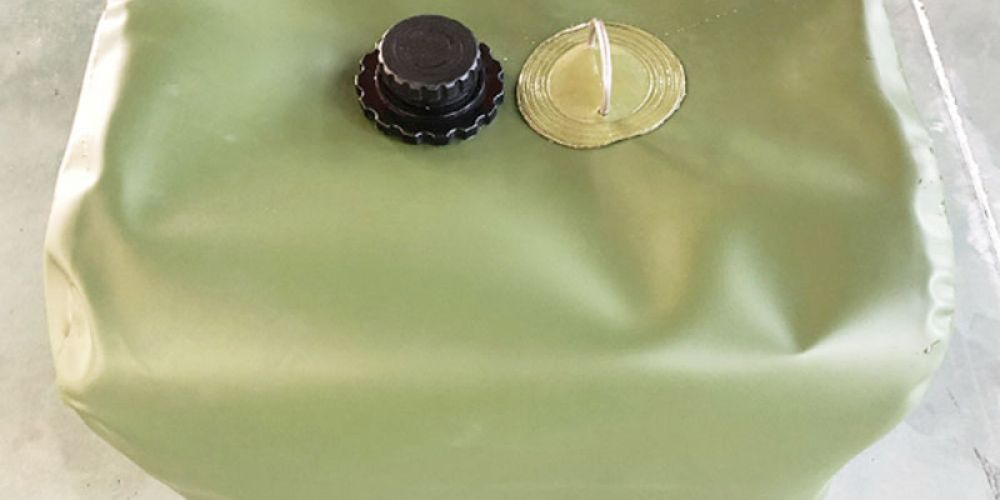
I. Fuel Tanks Revolutionize Energy Transportation 1. Flexible Transportation, Overcoming Spatial Limitations Traditional energy transportation methods…
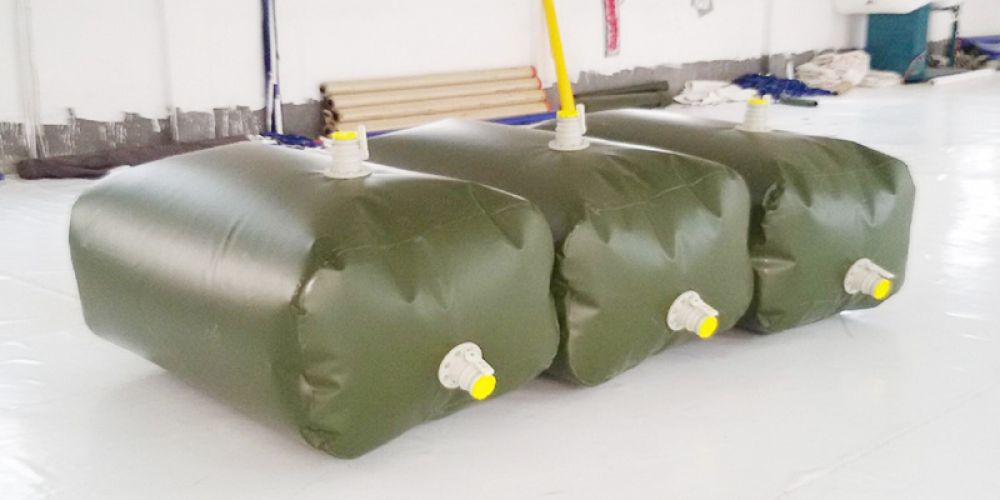
I. Principle of High-Frequency Welding of Oil Bladders High-frequency welding utilizes the skin effect and proximity…
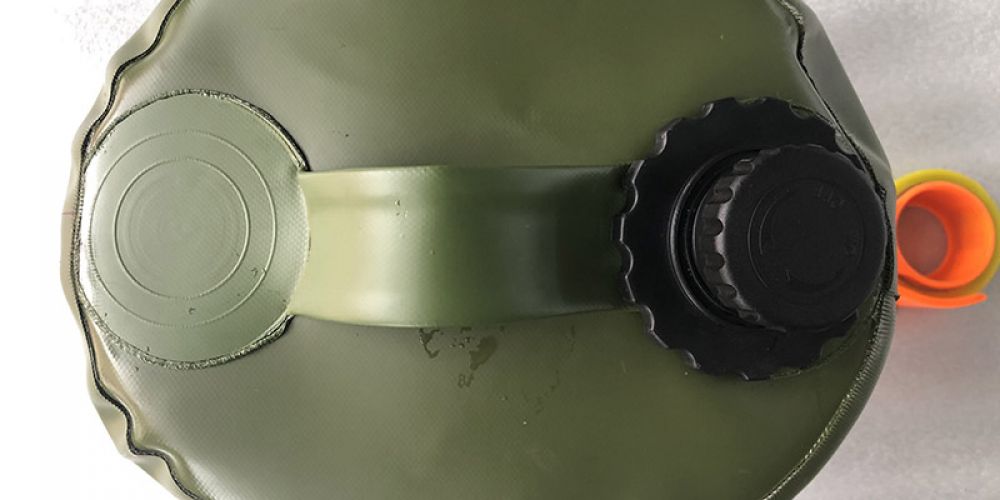
Fuel bladders provide a solid defense for energy transportation safety, primarily due to their material properties…
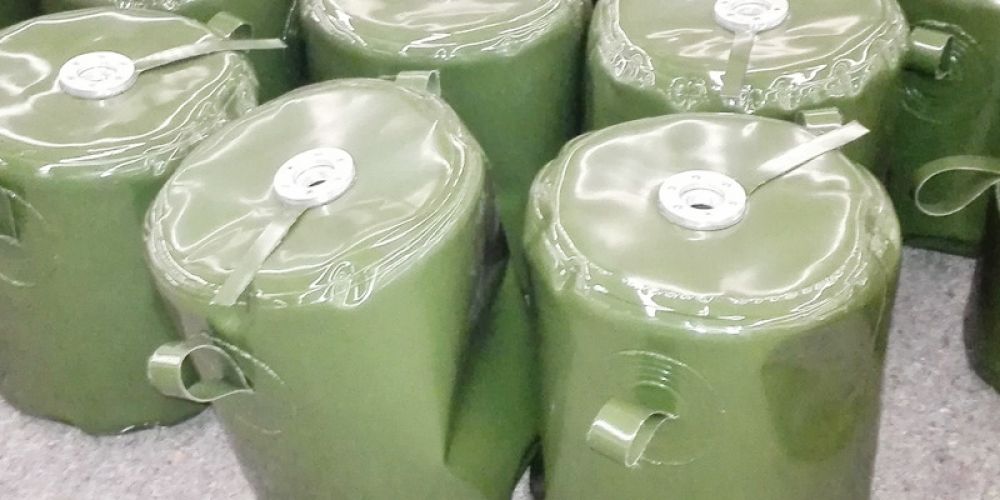
Oil bladders, acting as the "invisible guardians" behind energy transportation, exhibit unique advantages in materials, design…