

.jpg)
The primary joining methods for PVC conveyor belts include the following:
1. **Finger Joint (Toothed Joint):** This is a common and highly secure method for joining PVC conveyor belts. The belt ends are first delaminated (split into layers) and then cut into a tooth-like pattern—hence the name "finger joint." It is simple, convenient, and allows for rapid hot-melt bonding. The resulting joint distributes stress evenly, making the belt easier to clean.
2. **Layered Finger Joint:** This is a common technique for creating endless (loop) belts; it enhances joint strength and effectively prevents issues such as the "fingers" of the joint lifting or curling.
3. **Lap Joint:** This method is suitable when dismantling the conveyor machinery is inconvenient. The belt ends are delaminated and then undergo a special grinding process to create an overlapping joint.
4. **Steel Fastener Joint:** A method that allows for repeated disassembly. There are pros and cons: the advantage is that it avoids installation difficulties associated with endless belts; the disadvantages include difficulty in cleaning, susceptibility to bacterial growth, and a tendency for the joint area to tear over time, resulting in a shorter service life.
5. **Plastic Fastener Joint:** These are primarily used for specialized applications, such as replacement belts for metal-detecting conveyor systems.
Other methods include mechanical fasteners, cold bonding, and hot vulcanization. The choice of joining method in practice depends on specific requirements and operating conditions.
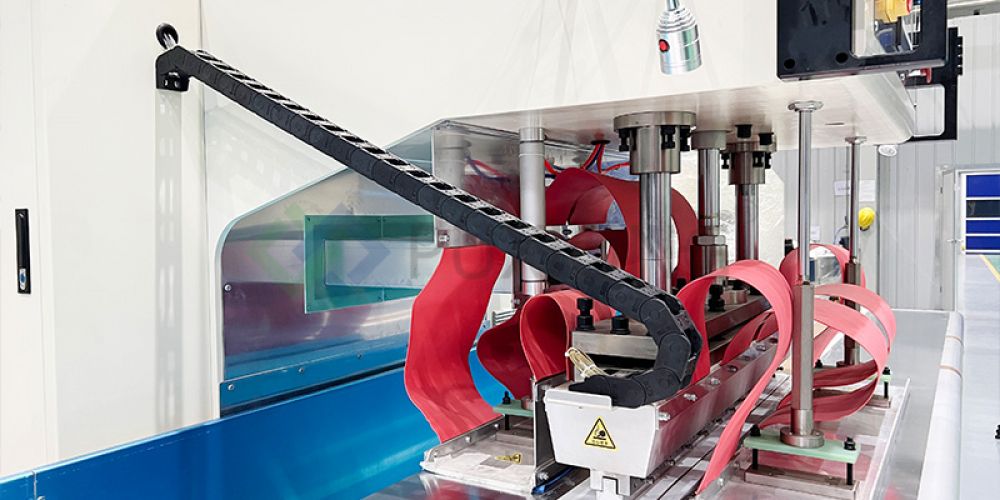
High-frequency welding technology is a key process in tent manufacturing. It achieves precise welding of plastic…
.png)
High-frequency welding and hot air welding for tents differ significantly in principle, applicability, efficiency, and finished…
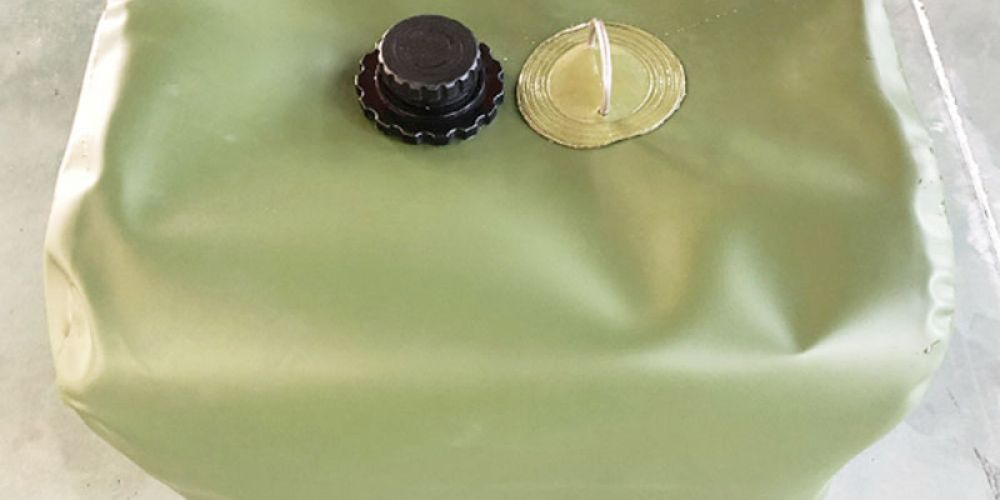
I. Fuel Tanks Revolutionize Energy Transportation 1. Flexible Transportation, Overcoming Spatial Limitations Traditional energy transportation methods…
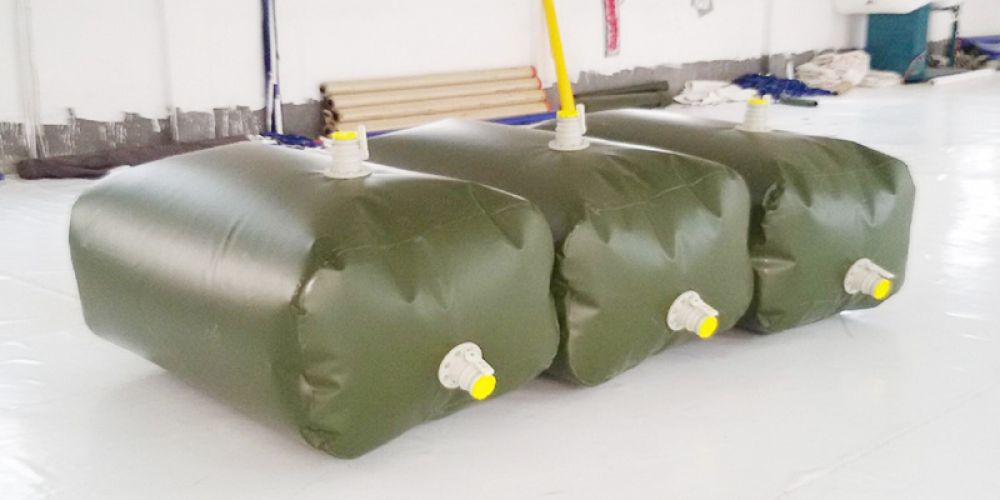
I. Principle of High-Frequency Welding of Oil Bladders High-frequency welding utilizes the skin effect and proximity…
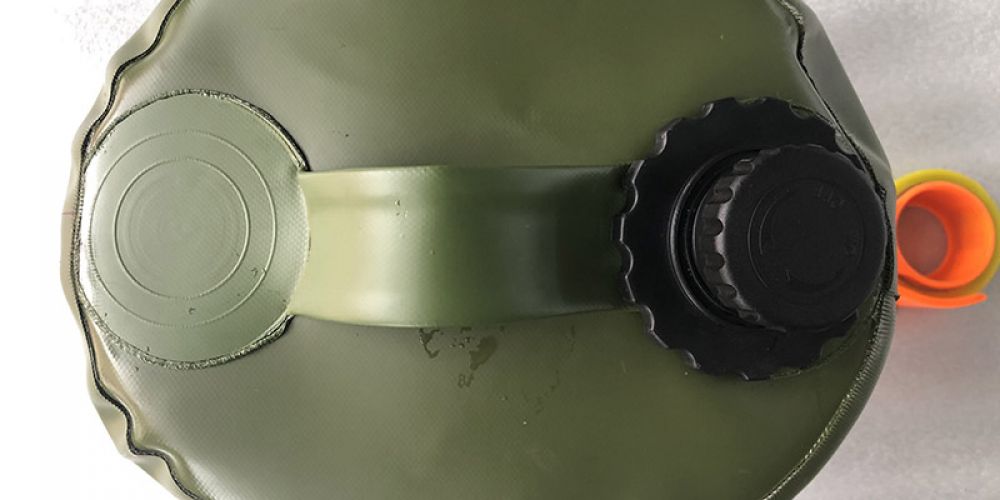
Fuel bladders provide a solid defense for energy transportation safety, primarily due to their material properties…
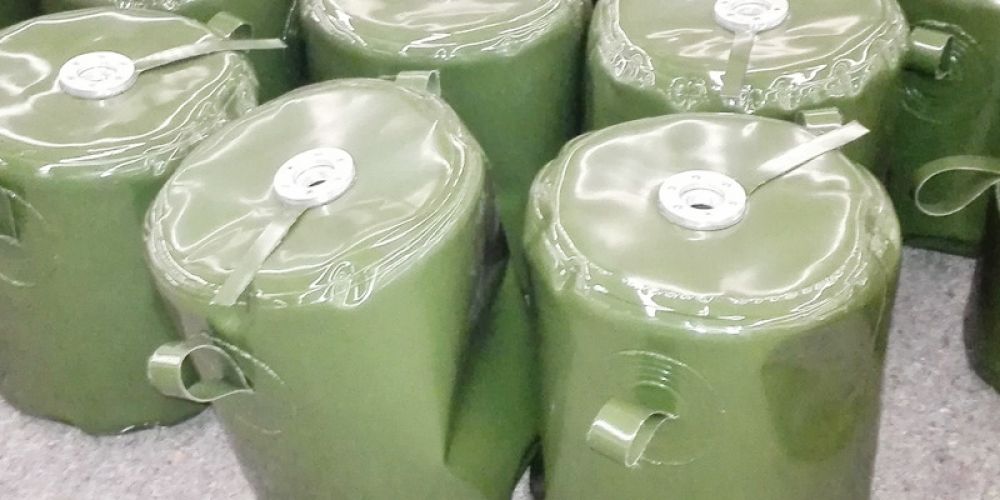
Oil bladders, acting as the "invisible guardians" behind energy transportation, exhibit unique advantages in materials, design…