

.jpg)
Blood bags use double-layer aluminum foil packaging as a "sterile barrier." Its mechanism for preventing oxygen permeation relies primarily on the synergistic effect of the physical properties of the aluminum foil material, the multi-layer structural design, and the manufacturing process. The following is a detailed analysis from four aspects: principle, structure, process, and effect:
1. Barrier Properties of Aluminum Foil Material
Metal Barrier Effect: Aluminum foil itself is a dense metal film with a compact molecular structure, effectively blocking the permeation of gas molecules. Oxygen molecules have difficulty passing through the crystal structure of aluminum foil at room temperature; therefore, aluminum foil itself has natural oxygen barrier properties.
Thickness and Barrier Performance: The thickness of the aluminum foil directly affects its barrier effect. Generally, the thicker the aluminum foil, the stronger the barrier performance. Double-layer aluminum foil packaging, by stacking two layers of aluminum foil, further enhances the barrier effect, significantly reducing the possibility of oxygen permeation.
2. Design Advantages of the Double-Layer Structure
Double Barrier Effect: Double-layer aluminum foil packaging forms a double barrier through the stacking of two layers of aluminum foil. Even with minor defects in the outer aluminum foil (such as pinholes or scratches), the inner aluminum foil still provides additional protection against oxygen penetration.
Interlayer Composite Materials: One or more layers of polymer materials (such as polyethylene, polyester, etc.) are typically added between the two aluminum foil layers. These materials not only enhance the packaging's flexibility and mechanical strength but also further block oxygen and water vapor. The interlayer bonding of the composite material is tight, forming a continuous barrier layer.
3. Production Process Assurance
Heat-Sealing Technology: Double-layer aluminum foil packaging uses heat-sealing technology during production to tightly bond the two aluminum foil layers with the composite material, forming a seamless packaging structure. The heat-sealing process ensures the packaging's airtightness, preventing oxygen penetration from edges or seams.
Multilayer Co-extrusion Technology: Some high-end blood bags use multilayer co-extrusion technology, molding the aluminum foil and polymer materials in a single process during extrusion, forming an integrated multilayer structure. This technology eliminates the risk of weak interlayer adhesion, further improving barrier performance.
4. Actual Results and Verification
Low Oxygen Permeability: The oxygen permeability of double-layer aluminum foil packaging is extremely low, typically below 0.1 cm³/(m³·24h·0.1MPa), far lower than that of ordinary plastic packaging. This low permeability ensures a long-term low-oxygen environment inside the blood bag, extending the blood's shelf life. Sterility and Shelf Life: Double-layer aluminum foil packaging not only blocks oxygen but also effectively blocks moisture, light, and microorganisms, providing a sterile and stable storage environment for the blood. According to relevant standards, blood bags packaged with double-layer aluminum foil can maintain a shelf life of 35 days or even longer under specified storage conditions.
5. Comparison with Other Packaging Materials
Comparison with Single-Layer Aluminum Foil: While single-layer aluminum foil packaging offers some barrier properties, minor defects may occur during long-term storage or under extreme conditions, leading to oxygen permeation. Double-layer aluminum foil packaging, through its dual-barrier design, significantly improves safety.
Compared to plastic packaging: Ordinary plastic packaging (such as PVC, PE, etc.) has a high oxygen permeability, which cannot meet the requirements for long-term blood preservation. Double-layer aluminum foil packaging has a significant advantage in barrier properties.
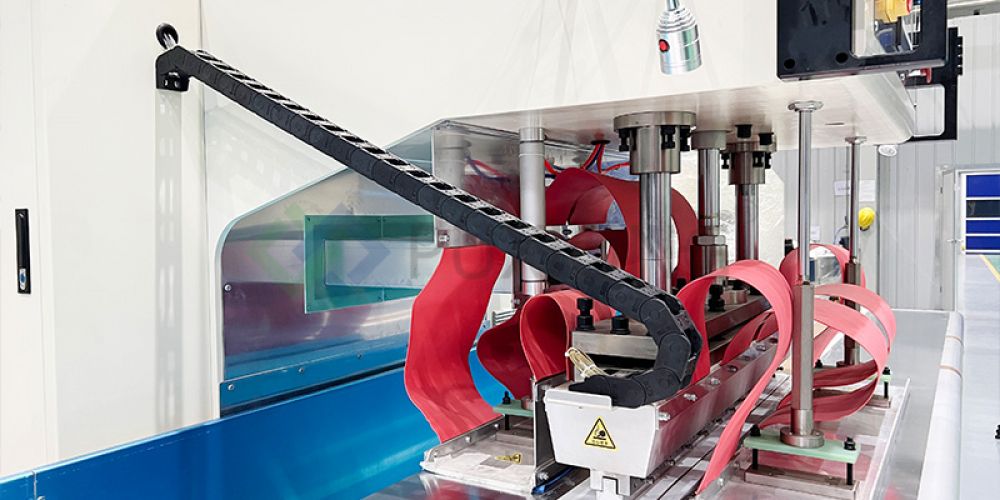
High-frequency welding technology is a key process in tent manufacturing. It achieves precise welding of plastic…
.png)
High-frequency welding and hot air welding for tents differ significantly in principle, applicability, efficiency, and finished…
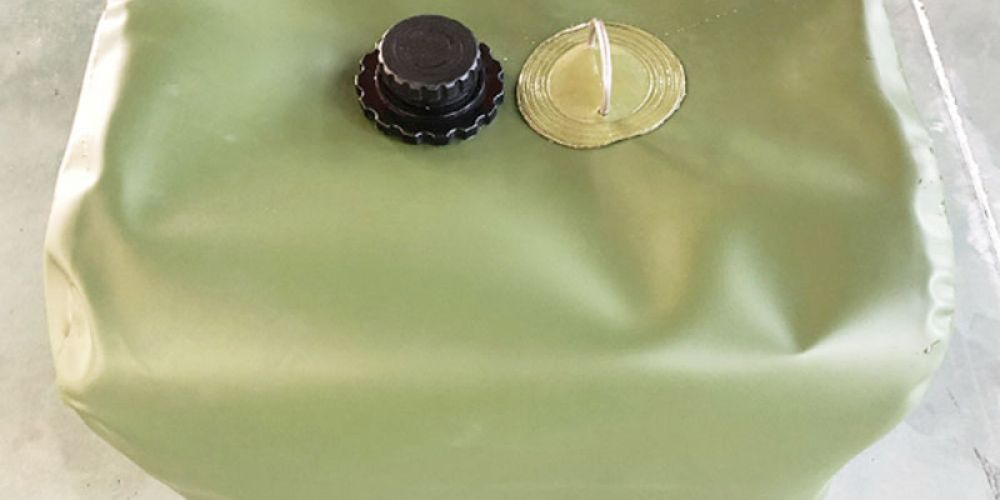
I. Fuel Tanks Revolutionize Energy Transportation 1. Flexible Transportation, Overcoming Spatial Limitations Traditional energy transportation methods…
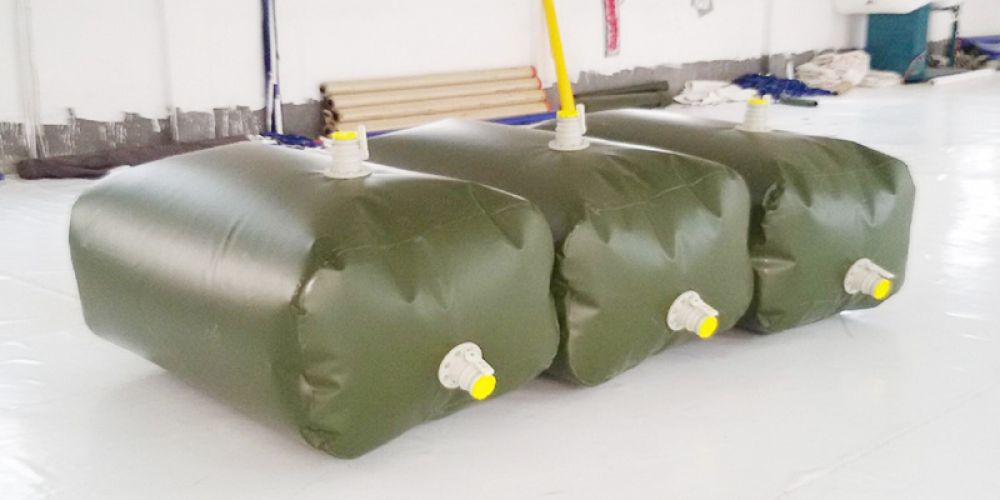
I. Principle of High-Frequency Welding of Oil Bladders High-frequency welding utilizes the skin effect and proximity…
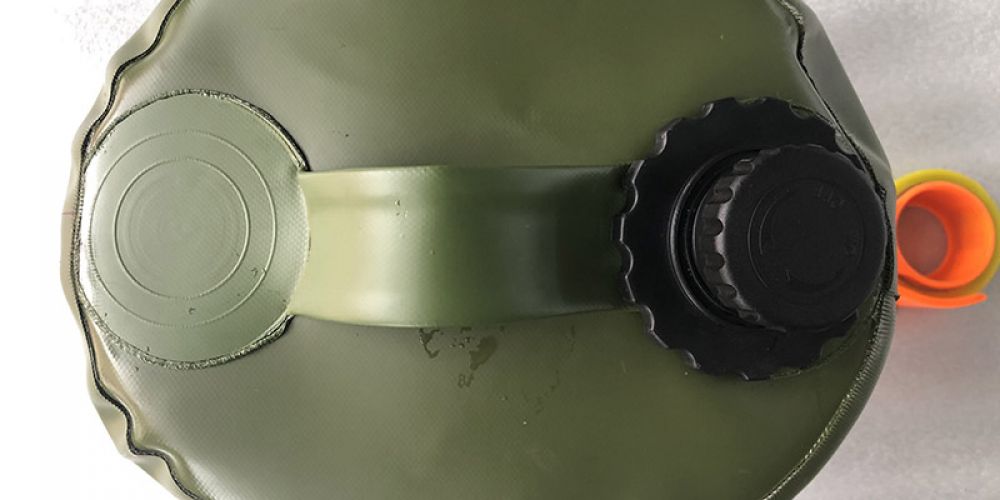
Fuel bladders provide a solid defense for energy transportation safety, primarily due to their material properties…
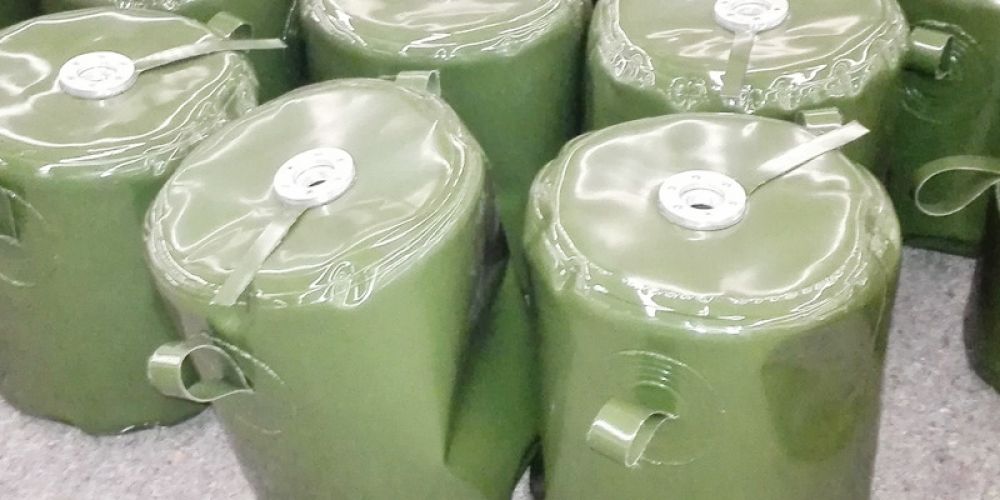
Oil bladders, acting as the "invisible guardians" behind energy transportation, exhibit unique advantages in materials, design…