

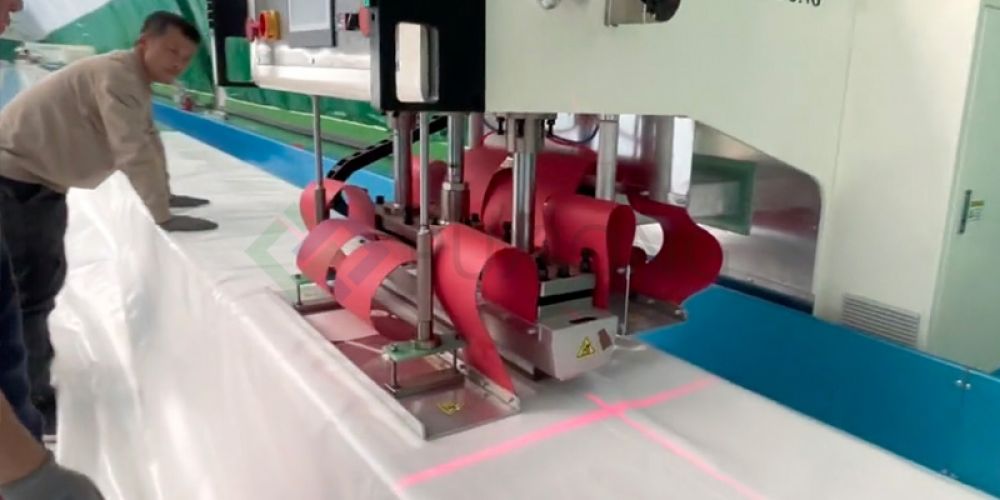
In the field of modern architecture, the construction of large-scale venues requires not only meeting functional needs but also pursuing unique aesthetics and high construction efficiency. As an innovative architectural form, tensile membrane structures have found widespread application in large-scale venue construction due to their advantages of lightness, aesthetic appeal, and ability to span large distances. Welding technology for these structures—a critical factor in ensuring their safety and stability—provides robust support for such projects.
I. Advantages of Tensile Membrane Structure Welding in Large-Scale Venue Construction
1. Enabling Large-Span Spaces: Large venues, such as stadiums and exhibition centers, typically require expansive, column-free spaces to accommodate spectators and visitors. Welding technology for tensile membrane structures allows for the tensioning of membrane surfaces over vast spans, creating continuous, unobstructed interiors. For instance, in major sporting events, tensile membrane structures serving as roofs or grandstand canopies not only provide a comfortable viewing environment but also stand out as visual highlights of the event due to their unique forms.
2. Short Construction Cycles: Compared to traditional building structures, tensile membrane structures offer shorter construction timelines. Most tasks—such as membrane fabrication and welding—can be completed in a factory, leaving only installation and tensioning for the site. This approach, combining factory prefabrication with rapid on-site installation, significantly accelerates the construction process, allowing venues to be put into service sooner to meet event schedules.
3. Unique and Aesthetic Forms: Tensile membrane structures feature graceful, curved forms that blend harmoniously with their surroundings, creating distinctive architectural landscapes. Welding technology integrates the membrane material with the supporting structure, enabling the realization of complex shapes and lines that satisfy architects' desires for personalized, striking designs. These uniquely shaped venues often become urban landmarks, enhancing the city's cultural image and visibility.
4. Energy Efficiency and Environmental Friendliness: The membrane materials used in these structures typically offer excellent light transmission, allowing for the full use of natural daylight during the day and reducing energy consumption for artificial lighting. Their superior ventilation properties help regulate indoor temperatures, thereby lowering air-conditioning energy use. Additionally, the membrane materials often possess self-cleaning capabilities, which reduce maintenance costs and minimize environmental pollution. The application of welding technology for tensile membrane structures in the construction of large-scale venues aligns with the philosophy of green building and helps achieve energy conservation and emission reduction goals.
.jpg)
The applications of PVDF membrane materials—involving processes such as coating, sanding, and welding—in the environmental protection…
.jpg)
I. Advantages of Grinding and Welding PVDF-Coated Membrane Fabric 1. Improved Weldability: Grinding removes the surface…
In the field of modern architecture, the construction of large-scale venues requires not only meeting functional…
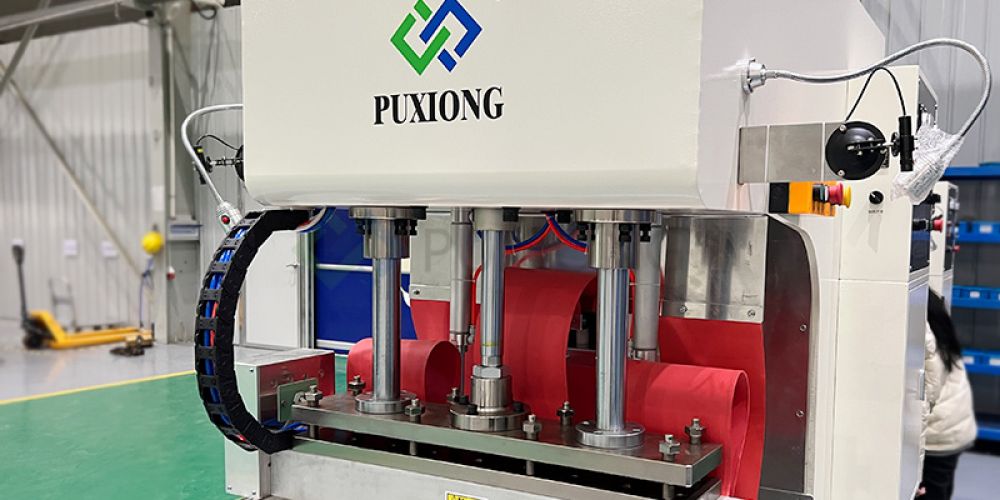
The advantages of high-frequency welding for tensile membrane structures primarily include the following aspects: 1. **Simple…
.jpg)
Welded tensile membrane structures are widely used in landscape architecture and offer significant advantages. The following…

Gas storage bags play a vital role in industrial production by storing gases, regulating pressure, enhancing…