

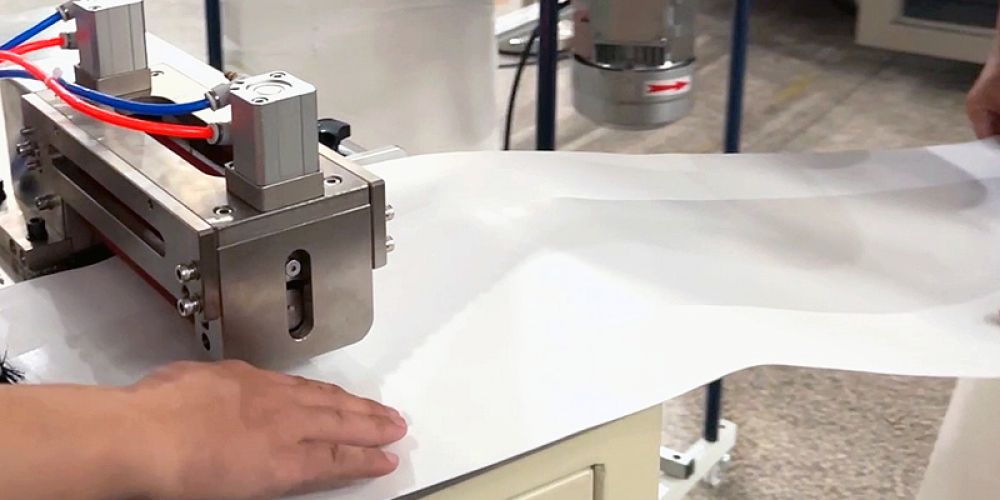
The welding process for PVDF-coated membrane fabrics offers significant competitive advantages over other welding methods, particularly regarding weld quality, material performance, construction efficiency, cost-effectiveness, aesthetics, and design flexibility. A detailed analysis follows:
1. Weld Quality and Process Characteristics
Direct Welding Capability: The welding process for PVDF-coated membranes allows for direct welding, thereby avoiding issues often associated with backing strips or grinding methods—such as the "black groove" phenomenon or insufficient weld strength. Direct welding ensures the strength and stability of the seam, enhancing the overall quality of the membrane structure.
Reduced Processing Workload: The weldability of PVDF membrane fabric significantly reduces the workload associated with material processing, thereby improving construction efficiency.
2. Material Performance Advantages
Durability and Aging Resistance: PVDF membrane materials exhibit exceptional durability and resistance to aging, with a service life of approximately 15 to 20 years—surpassing that of many other membrane materials. This longevity stems from the PVDF resin, which combines the properties of fluororesins and general-purpose resins, resulting in excellent resistance to chemical corrosion, high temperatures, oxidation, and weathering.
Self-cleaning and Stain Resistance: The non-stick surface coating of PVDF membranes allows rainwater to wash away surface dust, providing a self-cleaning capability. Additionally, superior stain resistance ensures the membrane structure maintains a clean and attractive appearance over the long term.
Flexibility and Light Transmittance: PVDF membranes are highly flexible, making them easy to shape and dismantle, which facilitates the creation of beautiful, unique designs. Furthermore, with a light transmittance rate of 25% to 30%, they provide ample natural light for interior spaces.
3. Construction Efficiency and Cost
Rapid Construction: PVDF membranes feature short production cycles and allow for fast installation, which shortens project timelines and reduces construction costs.
High Cost-Performance Ratio: Compared to other membrane materials, PVDF membranes offer lower production costs and excellent value for money. Moreover, their superior durability and aging resistance lead to long-term savings on maintenance costs. 4. Aesthetics and Design Flexibility
Diverse Colors: PVDF membrane materials come in a wide range of colors, making them ideal for applications requiring vibrant hues and allowing them to meet diverse design needs.
Unique Shapes: Thanks to the flexibility and malleability of PVDF membrane materials, unique shapes can be created, enhancing the aesthetic appeal and artistic quality of the membrane structure.
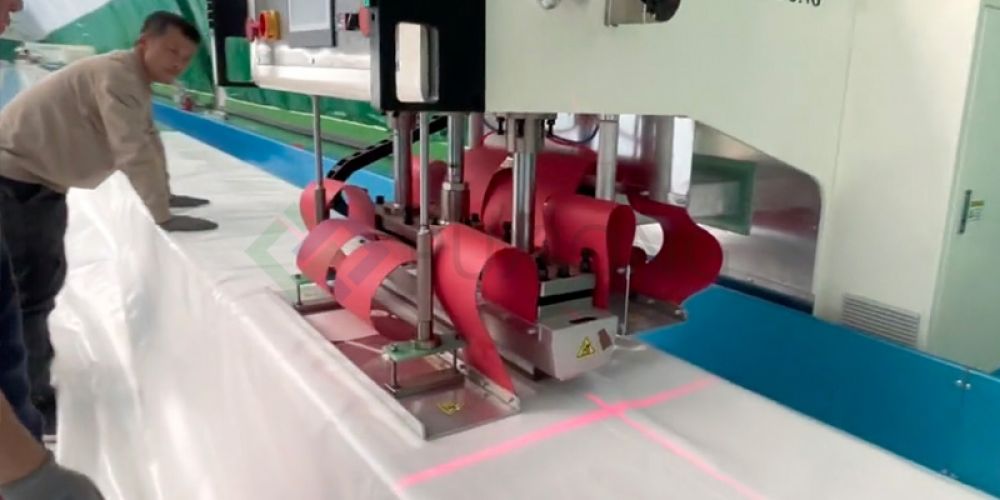
In the field of modern architecture, the construction of large-scale venues requires not only meeting functional…
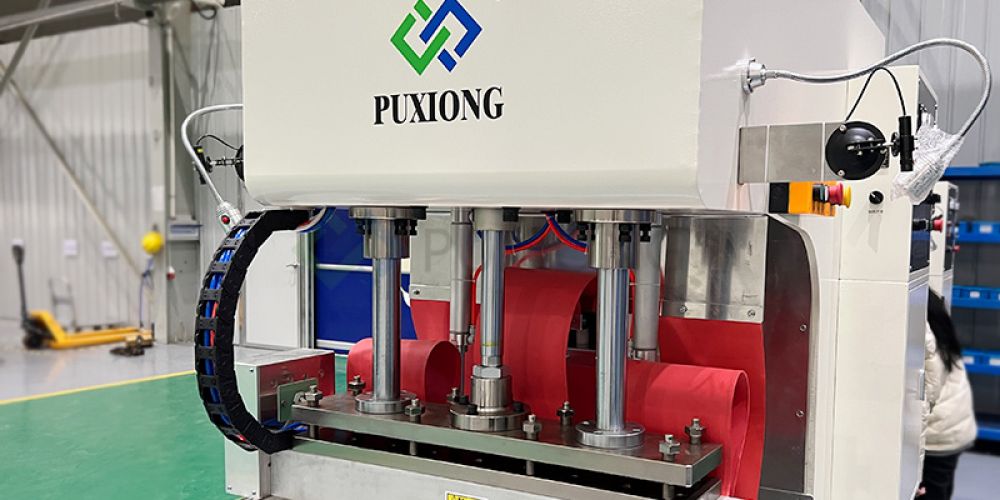
The advantages of high-frequency welding for tensile membrane structures primarily include the following aspects: 1. **Simple…
.jpg)
Welded tensile membrane structures are widely used in landscape architecture and offer significant advantages. The following…

Gas storage bags play a vital role in industrial production by storing gases, regulating pressure, enhancing…
The welding process for PVDF-coated membrane fabrics offers significant competitive advantages over other welding methods, particularly…
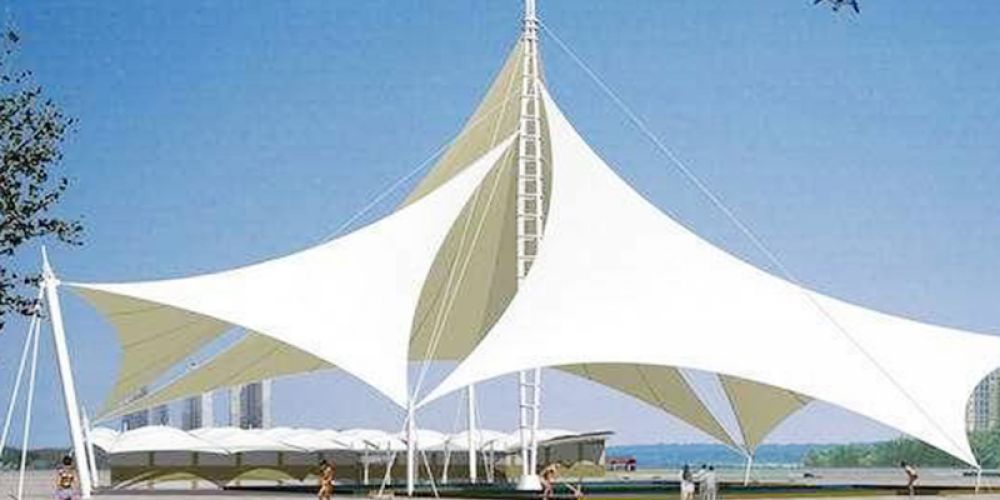
I. Application Scenarios for Tensile Membrane Structures Due to their unique mechanical properties and aesthetic versatility…