

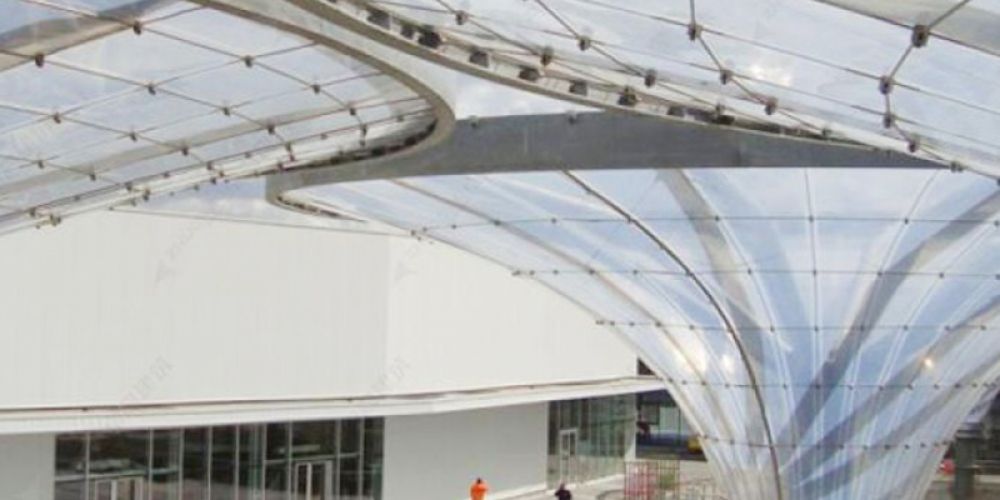
The following key points must be observed during the heat-sealing process for ETFE membrane materials:
I. Temperature Control
1. Heat-sealing temperature range: The temperature is typically controlled between 250°C and 400°C, with specific settings adjusted based on the membrane brand and thickness. Excessive temperatures can damage the material, while insufficient temperatures prevent adequate melting.
2. Temperature uniformity: Ensure the heating plate maintains a uniform temperature to prevent localized overheating, which could cause material deformation or damage.
II. Pressure Control
1. Heat-sealing pressure: A pressure of approximately 10 N is usually applied to ensure the molten materials bond effectively. Pressure settings must be adjusted according to membrane thickness and the specific sealing method to avoid excessive or insufficient force.
2. Pressure stability: Pressure must remain stable throughout the process to prevent fluctuations that could compromise the bond quality.
III. Time Control
1. Heat-sealing duration: Adjusted based on membrane thickness and temperature; the processing speed is typically 10–15 cm/min. Insufficient time results in a weak bond, while excessive time may cause material decomposition or deformation.
2. Cooling time: A slow cooling process is required after sealing to prevent seam cracking caused by thermal expansion and contraction.
IV. Material Preparation
1. Surface cleaning: Remove impurities such as dust and grease from the membrane surface prior to sealing to ensure bond strength.
2. Overlap/Joint preparation: Leave a gap of 1.5 mm to 2.3 mm between the ETFE sheets, prepare a V-shaped groove with an angle greater than 30°, and abrade the areas adjacent to the seal.
V. Heat-Sealing Methods
1. Overlap method: Two membrane sheets are overlapped and heated; this is suitable for most applications.
2. Backing strip method: A Fluorinated Ethylene Propylene (FEP) film strip is added at the seam to enhance sealing performance and tensile strength.
VI. Equipment and Tools
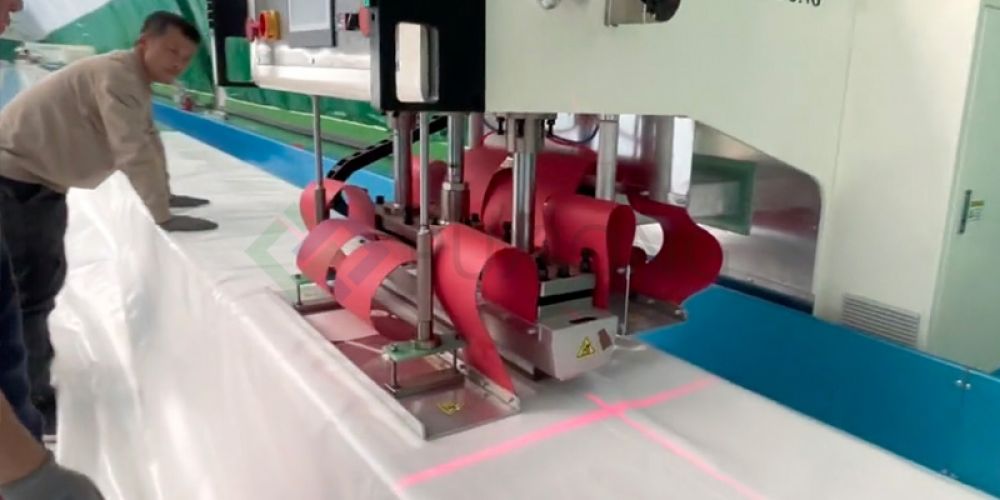
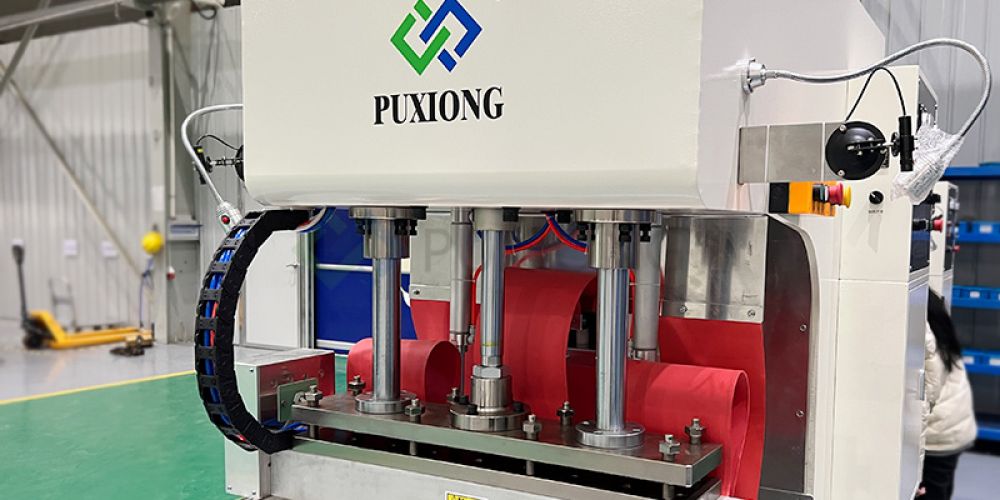
1. Specialized heat-sealing machines: Use dedicated ETFE welding machines (such as those from Shanghai Puxiong) or track-mounted heat welders to ensure precise control of temperature, pressure, and time.
2. Auxiliary tools: Includes cleaning tools, surface activation tools (e.g., plasma treatment units), and inspection/verification tools (e.g., tensile testing machines).
In the field of modern architecture, the construction of large-scale venues requires not only meeting functional…
The advantages of high-frequency welding for tensile membrane structures primarily include the following aspects: 1. **Simple…
.jpg)
Welded tensile membrane structures are widely used in landscape architecture and offer significant advantages. The following…

Gas storage bags play a vital role in industrial production by storing gases, regulating pressure, enhancing…
The welding process for PVDF-coated membrane fabrics offers significant competitive advantages over other welding methods, particularly…

I. Application Scenarios for Tensile Membrane Structures Due to their unique mechanical properties and aesthetic versatility…