

.jpeg)
I. Introduction
With the widespread application of architectural membrane structures in large-scale public buildings and sports venues, wind pressure resistance has become a critical design factor. ETFE membrane material is an ideal choice for such structures due to its excellent light transmission, weather resistance, and self-cleaning properties. However, heat-sealed joints in ETFE membranes are prone to stress concentration under typhoon conditions, potentially leading to joint failure. Therefore, investigating the wind pressure resistance of these heat-sealed joints holds significant engineering importance.
II. Analysis of Wind Pressure Resistance in Heat-Sealed Joints
1. Influence of joint geometry: The stress distribution of heat-sealed joints with various geometries (e.g., straight, arc-shaped, and zigzag) under typhoon conditions was simulated. The results indicate that arc-shaped joints exhibit lower stress concentration and superior wind pressure resistance compared to straight joints.
2. Influence of reinforcing materials: The impact of adding reinforcing materials (such as FEP film strips or glass fiber-reinforced tapes) at the heat-sealed joints was simulated. The results show that reinforcing materials can significantly reduce stress concentration at the joints and enhance wind pressure resistance.
3. Influence of material properties: The effects of material properties—such as ETFE membrane thickness and elastic modulus—on wind pressure resistance were analyzed. The results indicate that increasing membrane thickness or elastic modulus improves the wind pressure resistance of the joints, though this also raises material costs and construction complexity.
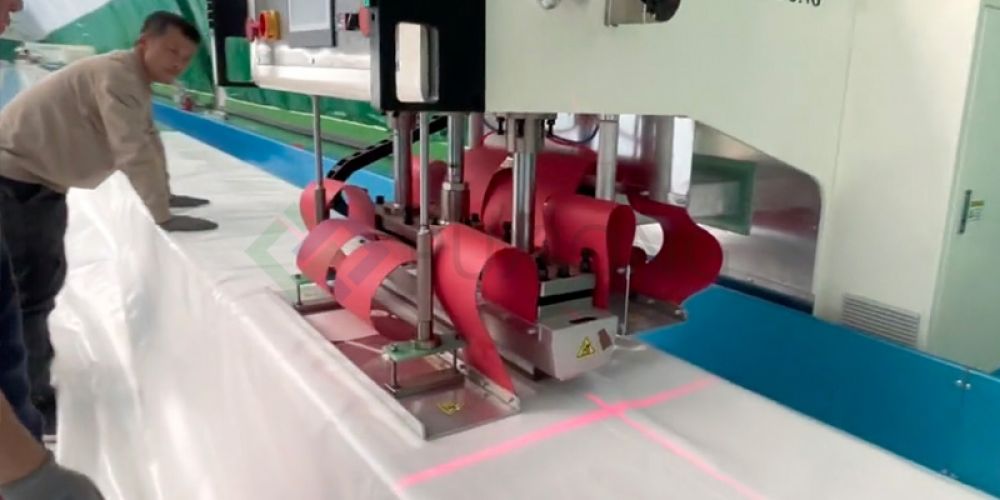
In the field of modern architecture, the construction of large-scale venues requires not only meeting functional…
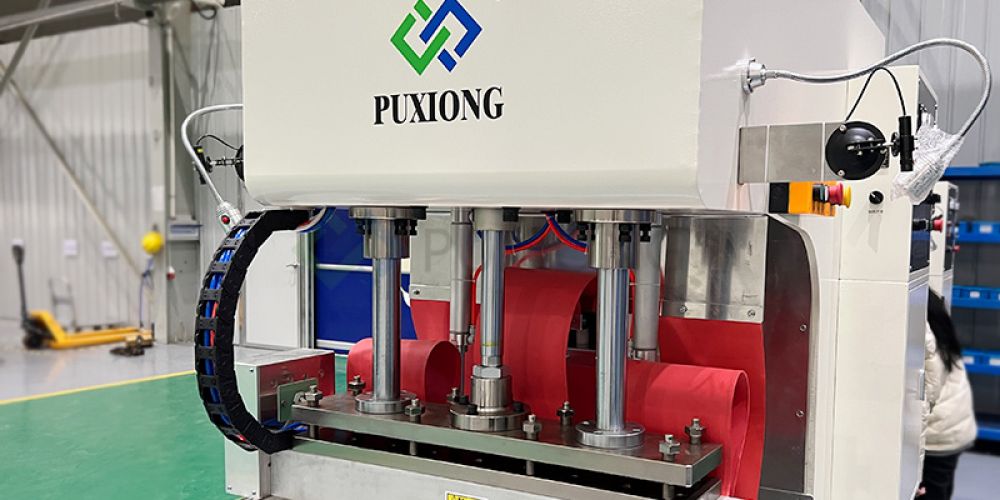
The advantages of high-frequency welding for tensile membrane structures primarily include the following aspects: 1. **Simple…
.jpg)
Welded tensile membrane structures are widely used in landscape architecture and offer significant advantages. The following…

Gas storage bags play a vital role in industrial production by storing gases, regulating pressure, enhancing…
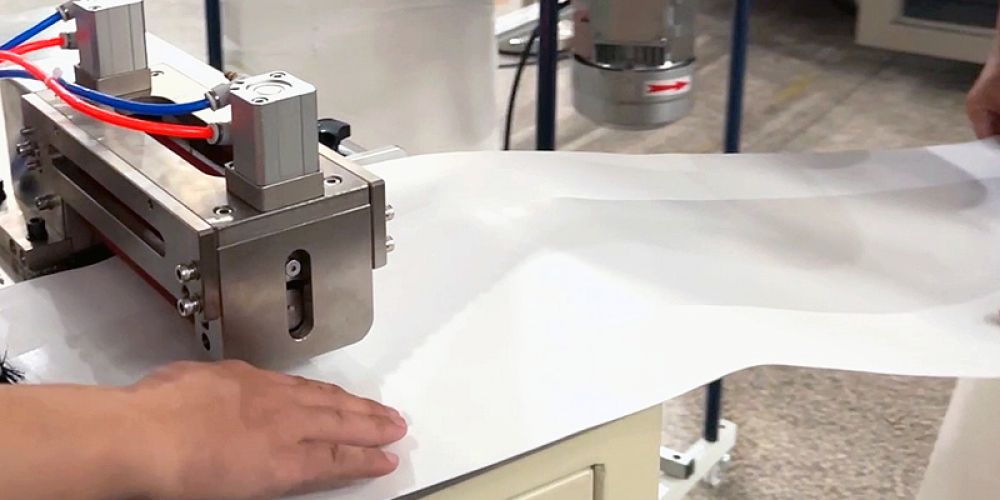
The welding process for PVDF-coated membrane fabrics offers significant competitive advantages over other welding methods, particularly…

I. Application Scenarios for Tensile Membrane Structures Due to their unique mechanical properties and aesthetic versatility…