

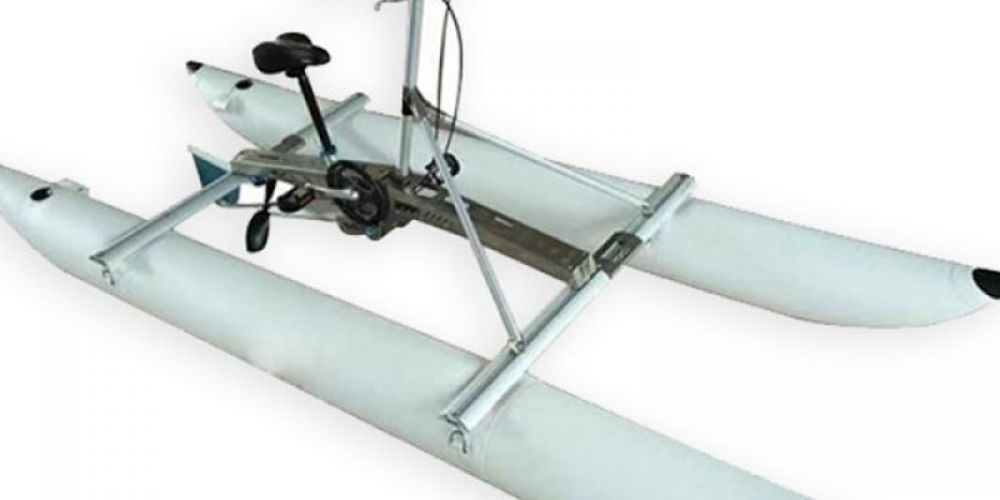
Automated welding of inflatable pontoon boats utilizes high-frequency heat sealing machines. The technical details mainly lie in the equipment structure, process parameters, material compatibility, and quality inspection. The following is a detailed analysis:
1. Equipment Structure and Function: Automated high-frequency welding equipment for inflatable pontoon boats typically includes a hydraulic system, a high-frequency heating plate, and positioning fixtures. The hydraulic system provides stable pressure to ensure a tight fit between the weld surfaces; the heating plate allows for precise temperature control to meet the welding requirements of different materials; and the arc-shaped groove positioning fixture is used for precise docking of the pontoon and the hull plate, ensuring welding accuracy.
2. Process Parameter Control: During high-frequency welding, parameters such as high-frequency electric field intensity, pressure, and temperature must be strictly controlled. The high-frequency electric field intensity needs to be adjusted according to the film thickness to achieve efficient welding; the pressure is controlled within the range of 0.3-0.5 MPa to ensure weld strength; and the temperature needs to be set according to the material characteristics. For example, the welding temperature for PVC film is typically 180-220℃, while TPU materials require higher temperatures to avoid insufficient welding.
3. Material Compatibility: High-frequency welding equipment must be compatible with inflatable pontoons made of various materials such as PVC and TPU. For PVC, the high-frequency welding process requires careful temperature and pressure matching to avoid overheating and deformation; TPU requires higher welding energy to ensure full molecular fusion. Furthermore, the high-frequency welding equipment must be adaptable to different material thicknesses to meet the production needs of inflatable boats of varying sizes.
4. Welding Quality Inspection: After high-frequency welding, airtightness testing and visual inspection are required. Airtightness testing typically uses a pressure testing instrument; no leakage is considered acceptable after holding the pressure for a certain period. Visual inspection is performed using a laser inspection system to ensure the weld flatness error is ≤0.2mm.
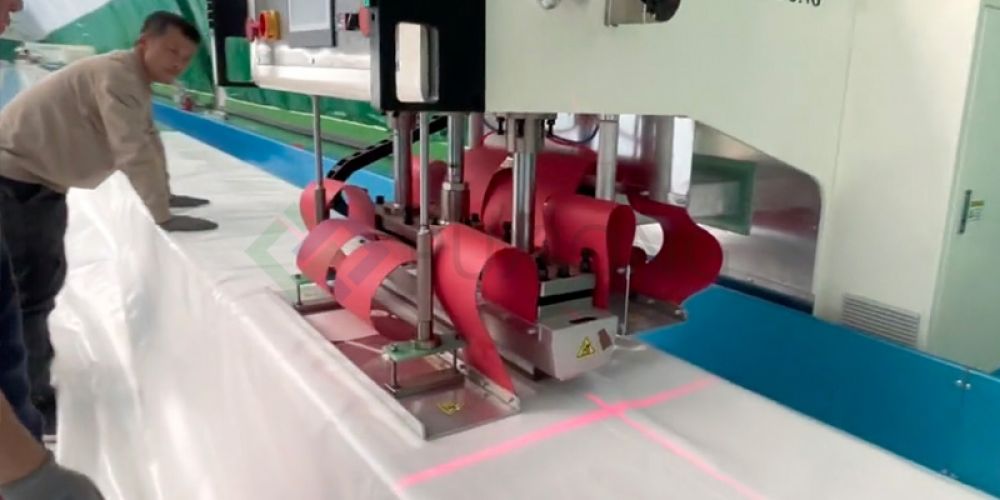
In the field of modern architecture, the construction of large-scale venues requires not only meeting functional…
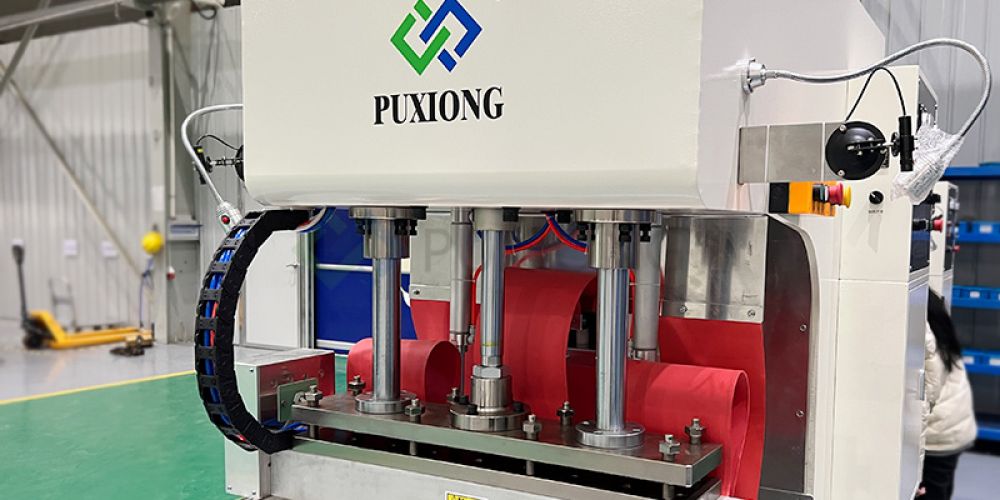
The advantages of high-frequency welding for tensile membrane structures primarily include the following aspects: 1. **Simple…
.jpg)
Welded tensile membrane structures are widely used in landscape architecture and offer significant advantages. The following…

Gas storage bags play a vital role in industrial production by storing gases, regulating pressure, enhancing…
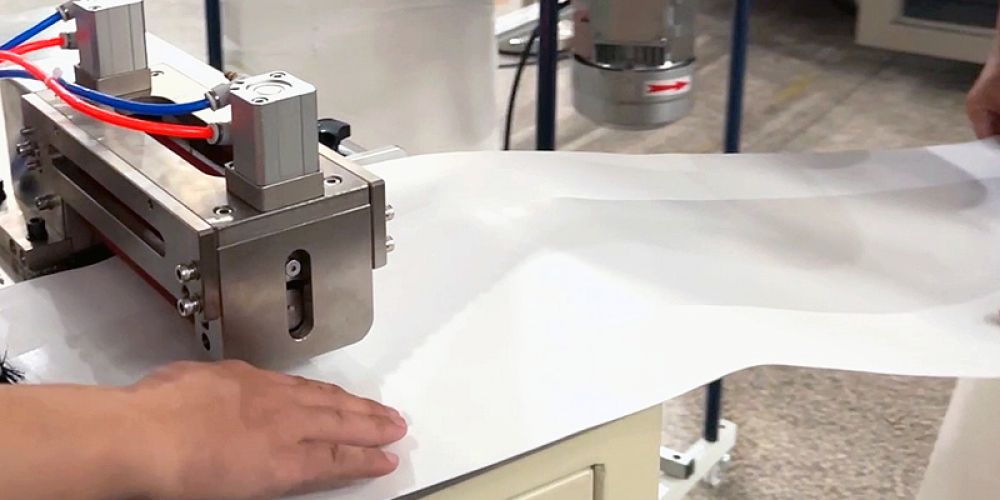
The welding process for PVDF-coated membrane fabrics offers significant competitive advantages over other welding methods, particularly…
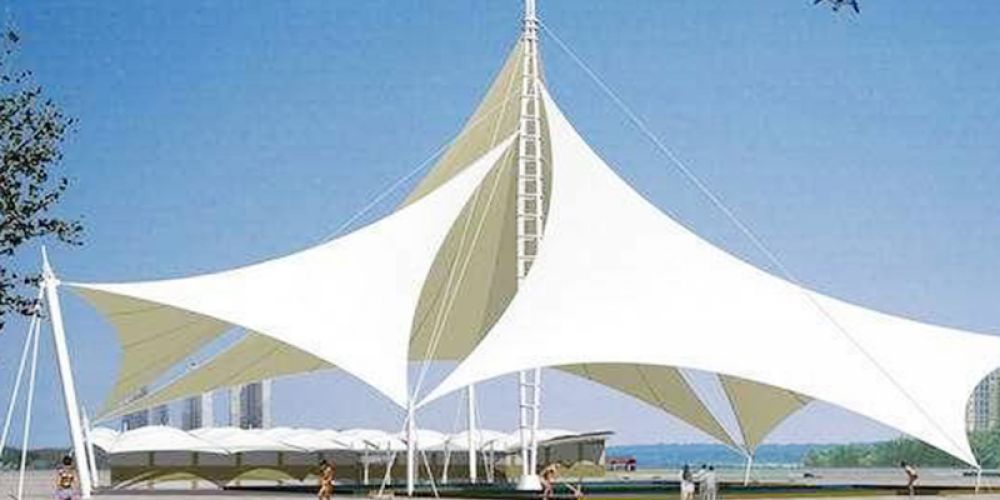
I. Application Scenarios for Tensile Membrane Structures Due to their unique mechanical properties and aesthetic versatility…