

I. Application Cases
1. Automated Welding of Inflatable Buoys
An inflatable boat manufacturer uses a specialized heat-sealing machine for inflatable buoys. A hydraulic system drives a heating plate to press down, performing high-temperature welding on PVC buoys. The equipment is equipped with arc-shaped groove positioning fixtures to ensure precise fit between the buoy and the hull plate, achieving a weld strength of over 35MPa. This process is applied to the connection of buoys and hull plates in military lifeboats and civilian sightseeing boats, improving efficiency by 40% compared to traditional manual welding. The weld airtightness passed a 120kPa air pressure test.
2. High-Frequency Welding of Inflatable Boat Body Membrane Material
An outdoor equipment brand uses a high-frequency heat-sealing machine to weld TPU material membrane material for inflatable boat bodies. The equipment uses a 27.12MHz high-frequency electric field to polarize the membrane molecules, generating heat through friction, achieving seamless welding under 0.4MPa pressure. This process is applied to the splicing of airtight compartments in kayaks, surfboards, and other products, achieving a welding speed of 8m/min, and the weld tensile strength meets three times the working pressure requirement.
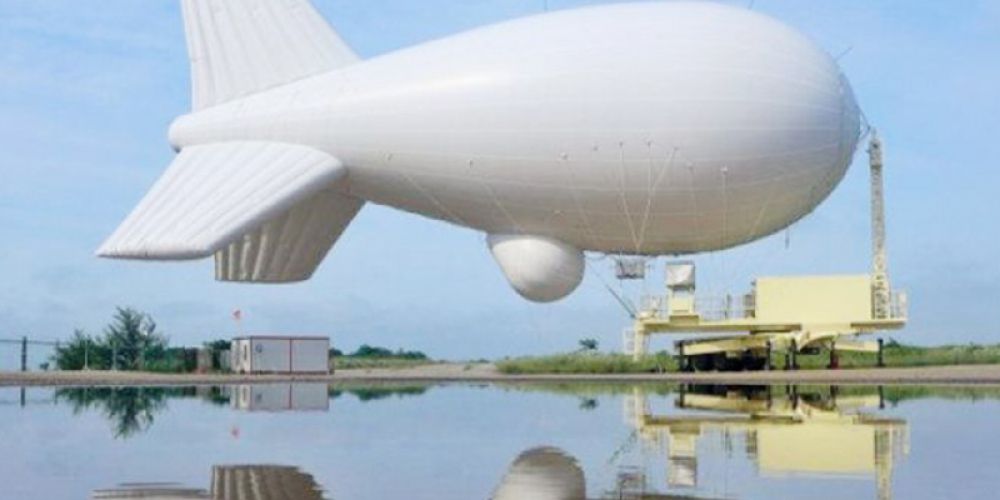
3. Airship Airbag Composite Material Heat Sealing
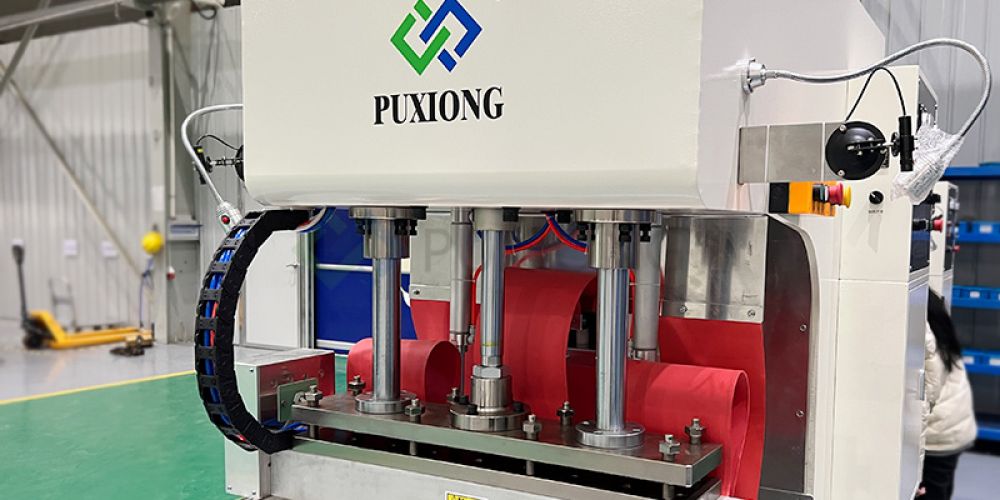
An airship manufacturer uses a dedicated high-frequency heat sealing machine to weld composite material airbags. The equipment supports pneumatic pressurization, has a stroke interval of 200mm, and can weld nylon-coated fabrics with a thickness of 0.5-3mm. This process is applied to the splicing of airbags in products such as stratospheric airships and helium-filled sightseeing airships. The welding temperature is controlled at 220-250℃ to ensure that the material properties do not degrade.
II. Production Process
1. Material Pretreatment
Cutting: PVC/TPU film is processed into preset dimensions using a laser cutting machine, with an edge flatness ≤0.1mm.
Cleaning: An ultrasonic cleaner is used to remove oil and dirt from the film surface to ensure the cleanliness of the welding surface.
2. High-Frequency Welding and Forming
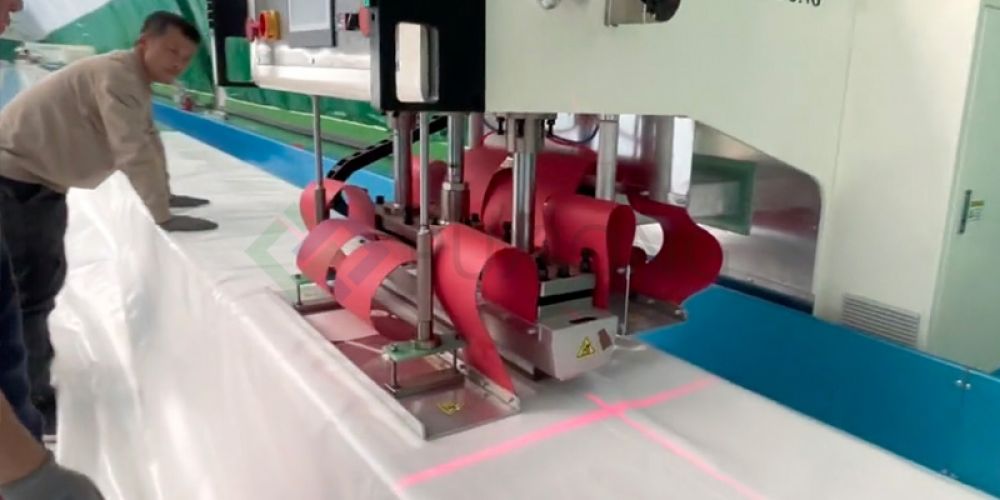
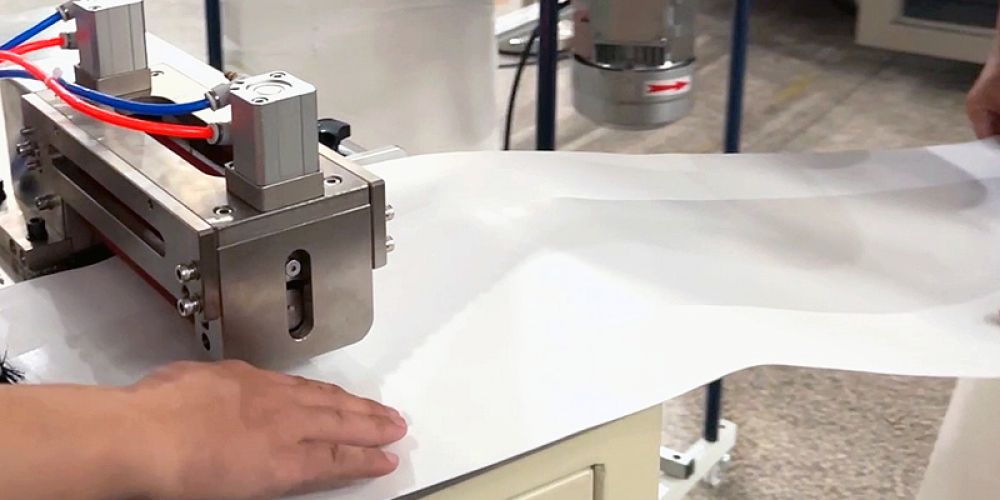
Equipment Adjustment: The high-frequency electric field strength (27.12MHz or 40.68MHz), welding pressure (0.3-0.5MPa), and temperature (180-250℃) are adjusted according to the film thickness. Heat sealing and welding: The membrane material is placed in a mold, and a high-frequency electric field is used to polarize the molecules at the contact surface, generating heat through friction, and fusion is achieved under pressure. Welding speed is 5-10 m/min, weld tensile strength ≥35 MPa, heat-affected zone ≤1 mm.
3. Quality Inspection and Post-processing
Air tightness test: A 120 kPa pressure tester is used; no leakage after 10 minutes of pressure holding is considered合格 (qualified).
Visual inspection: A laser inspection system is used to screen the weld flatness; error ≤0.2 mm.
Trimming and cleaning: Excess material is trimmed, equipment is cleaned, and preparation for the next production stage is completed.
In the field of modern architecture, the construction of large-scale venues requires not only meeting functional…
The advantages of high-frequency welding for tensile membrane structures primarily include the following aspects: 1. **Simple…
.jpg)
Welded tensile membrane structures are widely used in landscape architecture and offer significant advantages. The following…

Gas storage bags play a vital role in industrial production by storing gases, regulating pressure, enhancing…
The welding process for PVDF-coated membrane fabrics offers significant competitive advantages over other welding methods, particularly…
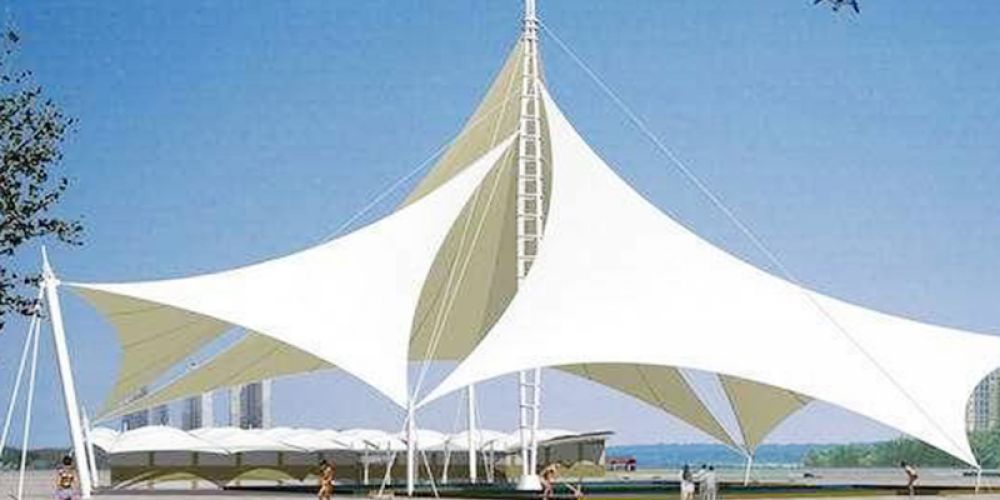
I. Application Scenarios for Tensile Membrane Structures Due to their unique mechanical properties and aesthetic versatility…