

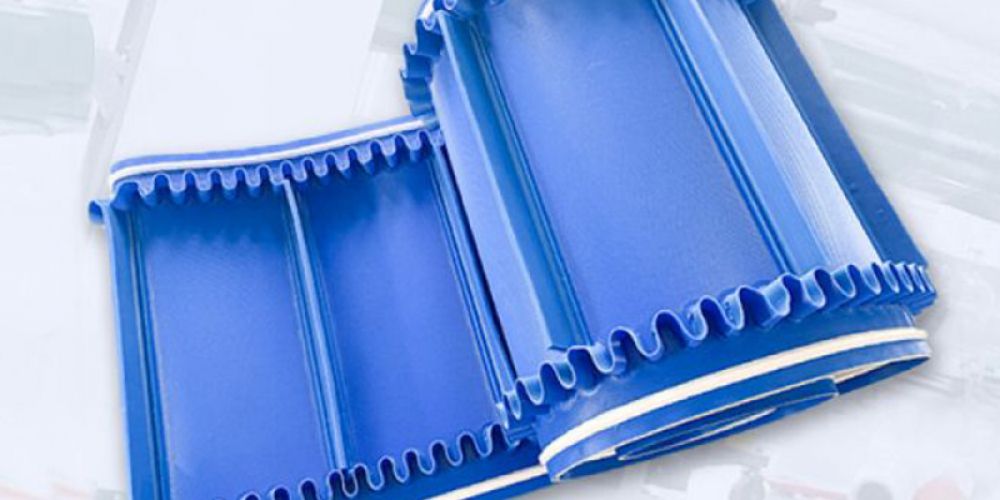
Among modern fitness equipment, treadmills have become the top choice for many fitness enthusiasts due to their convenience and efficiency. The running belt—a core component of the treadmill—relies on quality and durability that directly impact the user's workout experience and the equipment's lifespan. Running belts are typically composed of multiple layers, including wear-resistant layers, cushioning layers, and base materials. Secure bonding between these layers and at the belt's joint is essential to prevent breakage or deformation during prolonged, high-intensity use. High-frequency heat-sealing technology, an advanced manufacturing process, plays a crucial role in joining these belt ends.
I. Principles of High-Frequency Heat-Sealing Technology
High-frequency heat-sealing (also known as high-frequency welding) is a technique that utilizes high-frequency electromagnetic waves (typically in the MHz range) to induce rapid vibration in the material's polar molecules, generating heat and achieving fusion bonding between materials. When joining treadmill belts, a high-frequency electric field is applied to the designated joint area, rapidly heating the material surfaces on both sides to a molten state. Under pressure, the molten materials interpenetrate and fuse, ultimately forming a strong, smooth joint. This process is rapid and yields joints that are both robust and aesthetically pleasing, making it a critical step in running belt manufacturing.
II. Advantages of High-Frequency Heat-Sealing Technology
1. High-Strength Bonding: Joints formed via high-frequency heat-sealing possess strength comparable to the belt material itself. They can withstand the immense tension and friction generated during treadmill operation, effectively extending the equipment's service life.
2. Excellent Sealing: This technology enables seamless bonding at the joint, effectively preventing the ingress of external elements such as moisture and dust, thereby protecting the belt's internal structure from damage.
3. High Production Efficiency: Compared to traditional manual stitching or adhesive bonding, high-frequency heat-sealing significantly shortens production cycles, boosts efficiency, and reduces costs.
4. Eco-Friendly and Energy-Efficient: The process eliminates the need for harmful solvents or adhesives, reducing environmental pollution and aligning with the green manufacturing principles of modern industry. III. Application Challenges and Solutions for High-Frequency Heat-Sealing Splicing Technology
Although high-frequency heat-sealing splicing technology offers numerous advantages for joining treadmill belts, it presents certain practical challenges—such as temperature control, uniform pressure application, and precise alignment of the joint. To address these issues, manufacturers typically implement the following measures:
1. Precision Temperature Control Systems: Utilizing advanced temperature control systems to monitor and adjust temperatures in real-time during the heating process, ensuring the joint area reaches the optimal molten state.
2. Pressure Equalization Mechanisms: Designing effective pressure-application mechanisms to ensure uniform pressure across both sides of the joint during the heat-sealing process, thereby promoting thorough material fusion.
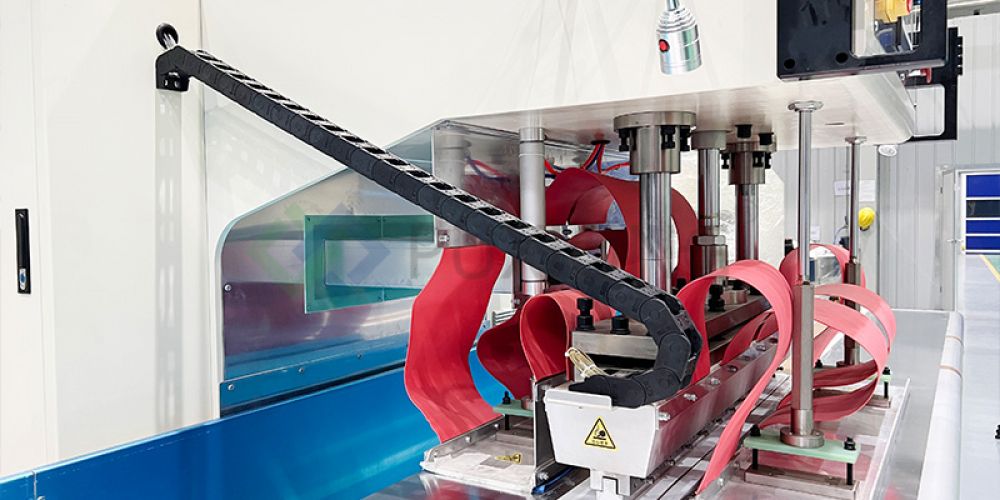
High-frequency welding technology is a key process in tent manufacturing. It achieves precise welding of plastic…
.png)
High-frequency welding and hot air welding for tents differ significantly in principle, applicability, efficiency, and finished…
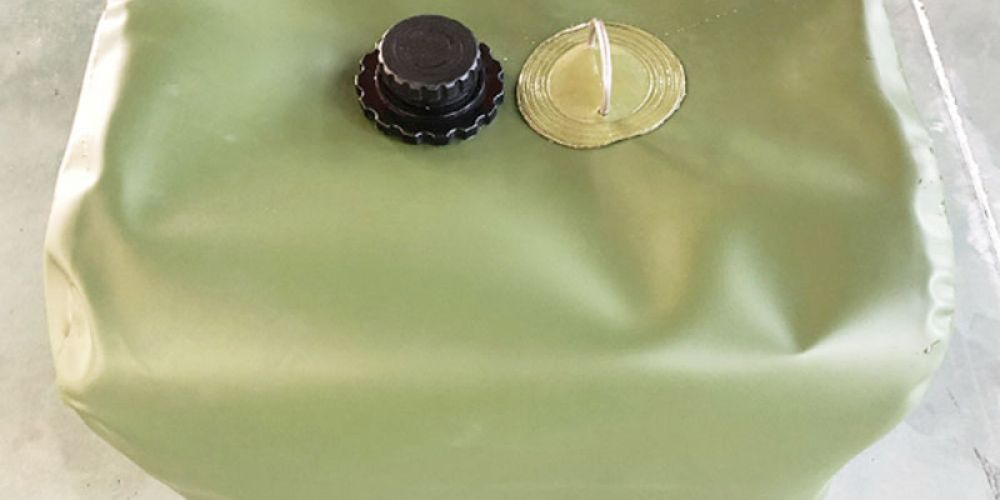
I. Fuel Tanks Revolutionize Energy Transportation 1. Flexible Transportation, Overcoming Spatial Limitations Traditional energy transportation methods…
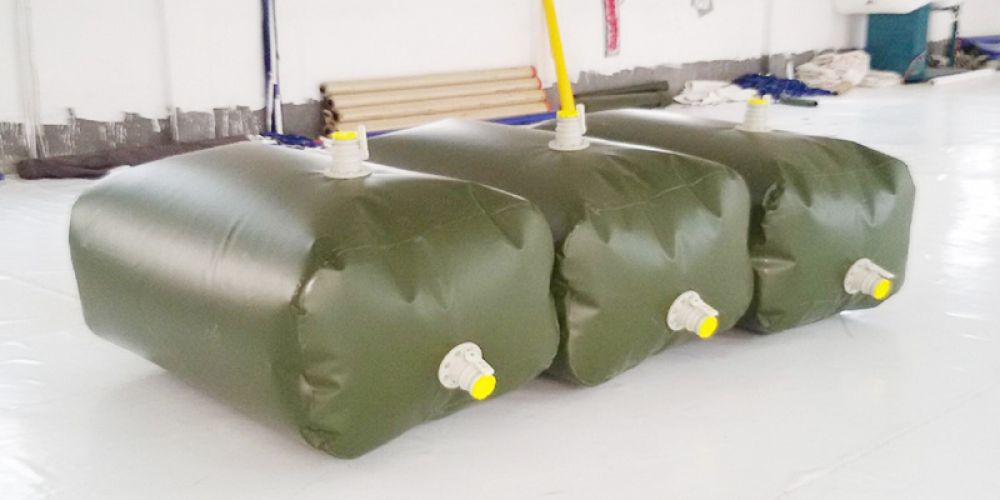
I. Principle of High-Frequency Welding of Oil Bladders High-frequency welding utilizes the skin effect and proximity…
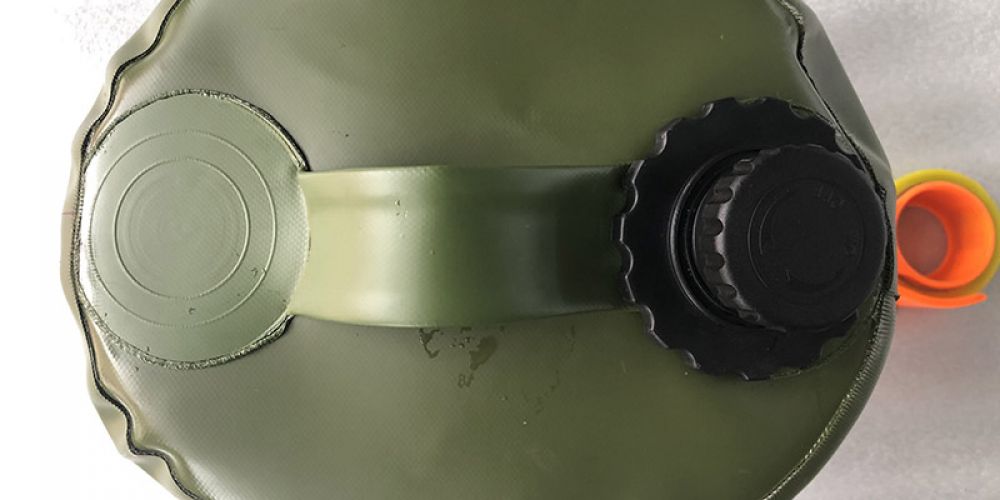
Fuel bladders provide a solid defense for energy transportation safety, primarily due to their material properties…
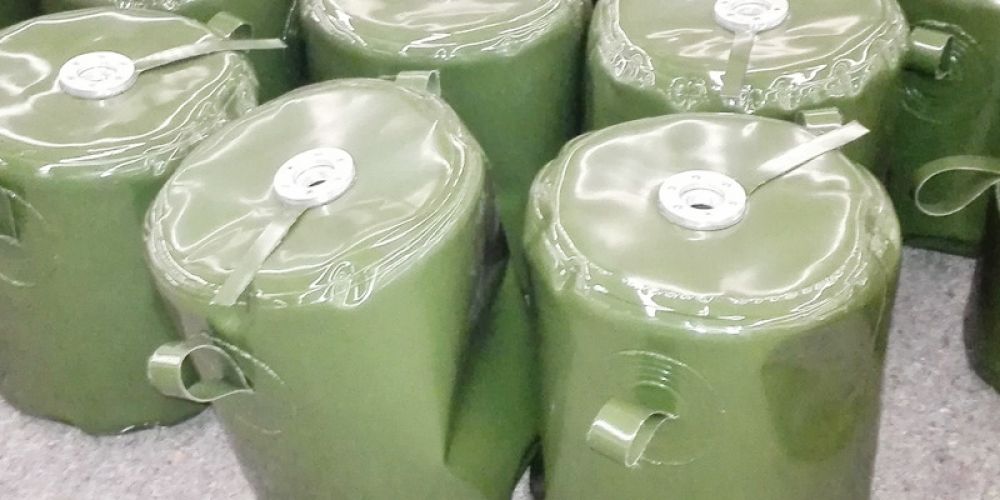
Oil bladders, acting as the "invisible guardians" behind energy transportation, exhibit unique advantages in materials, design…