

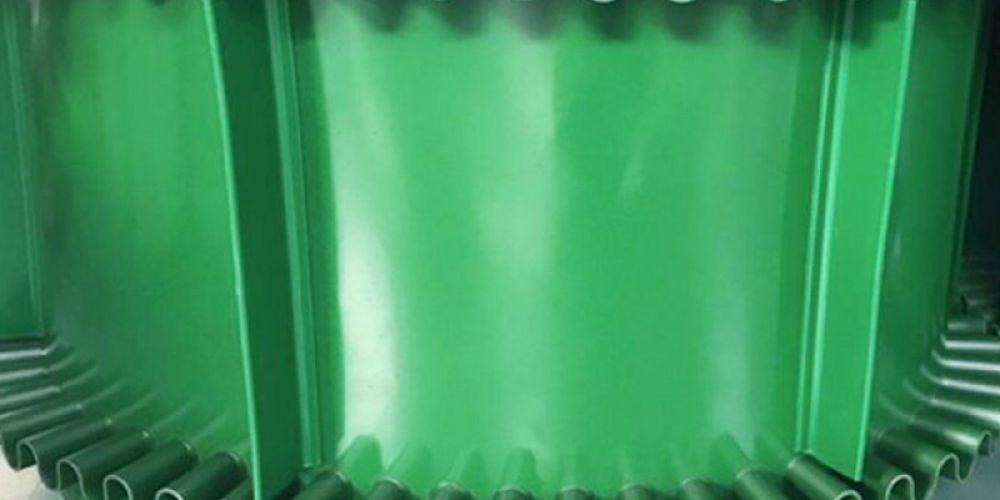
High-frequency welding of "T"-shaped and "S"-shaped cleats onto lightweight PVC conveyor belts offers the following significant advantages:
I. High Efficiency and Speed
1. Rapid Welding Speed: High-frequency welding utilizes heat generated by high-frequency current to quickly raise the PVC material to a molten state, enabling rapid welding. Compared to traditional welding methods, high-frequency welding significantly boosts production efficiency and shortens manufacturing cycles.
2. Increased Production Capacity: Due to the high welding speed, this method can substantially increase the output of conveyor belt production lines, meeting the demands of large-scale manufacturing.
II. High Welding Quality
1. High Weld Strength: Welds produced via high-frequency welding possess high strength and can withstand significant loads, ensuring reliable operation and usage of the conveyor belt.
2. Aesthetic Weld Appearance: The resulting welds are flat and smooth, free from defects such as cracks or slag inclusions, thereby enhancing the overall visual appeal of the conveyor belt.
3. Excellent Sealing Performance: High-frequency welds offer superior sealing properties, effectively preventing the ingress of external elements like dust and moisture, which extends the belt's service life.
III. Localized Heating and Reduced Deformation
1. Localized Heating: High-frequency welding employs electromagnetic induction to rapidly heat and melt only the specific area to be welded. This localized heating approach minimizes the heat-affected zone and reduces the risk of deformation.
2. Minimized Material Deformation: Because the temperature at the weld site can be precisely controlled, deformation of the cleats and the conveyor belt during the welding process is effectively minimized, ensuring dimensional accuracy and shape stability.
IV. Adaptability and Flexibility
1. Broad Applicability: High-frequency welding technology is suitable for joining PVC materials of various thicknesses and shapes, including complex profiles like "T"-shaped and "S"-shaped cleats.
2. Flexible Adjustment: Welding parameters can be flexibly adjusted to meet specific requirements, accommodating workpieces made of different materials or subject to varying welding specifications.
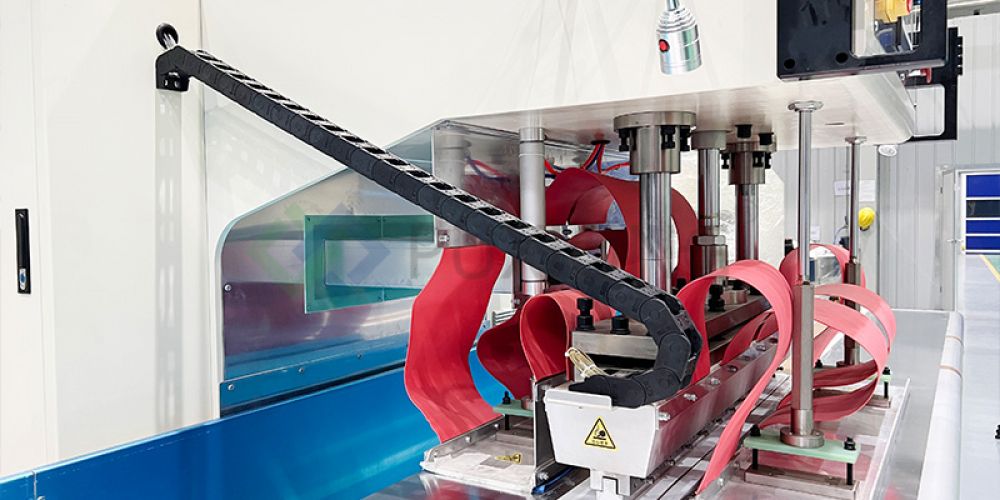
High-frequency welding technology is a key process in tent manufacturing. It achieves precise welding of plastic…
.png)
High-frequency welding and hot air welding for tents differ significantly in principle, applicability, efficiency, and finished…
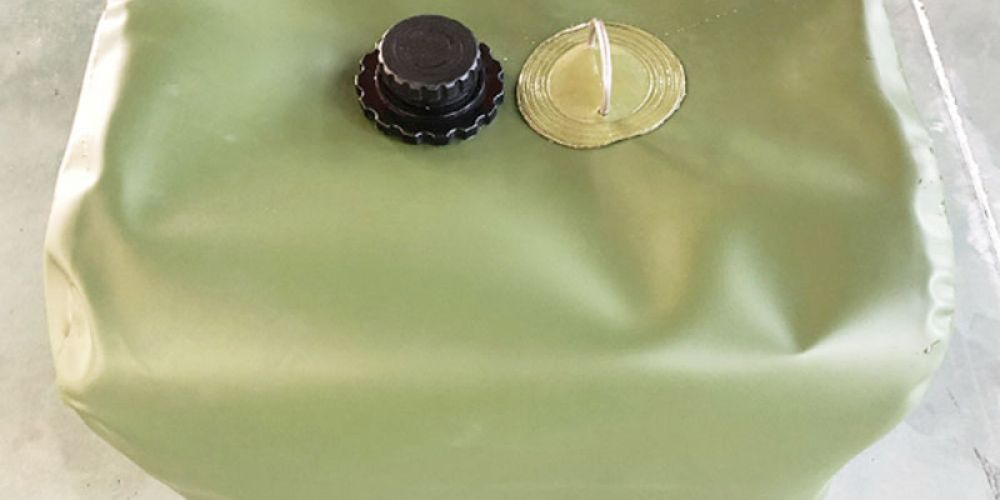
I. Fuel Tanks Revolutionize Energy Transportation 1. Flexible Transportation, Overcoming Spatial Limitations Traditional energy transportation methods…
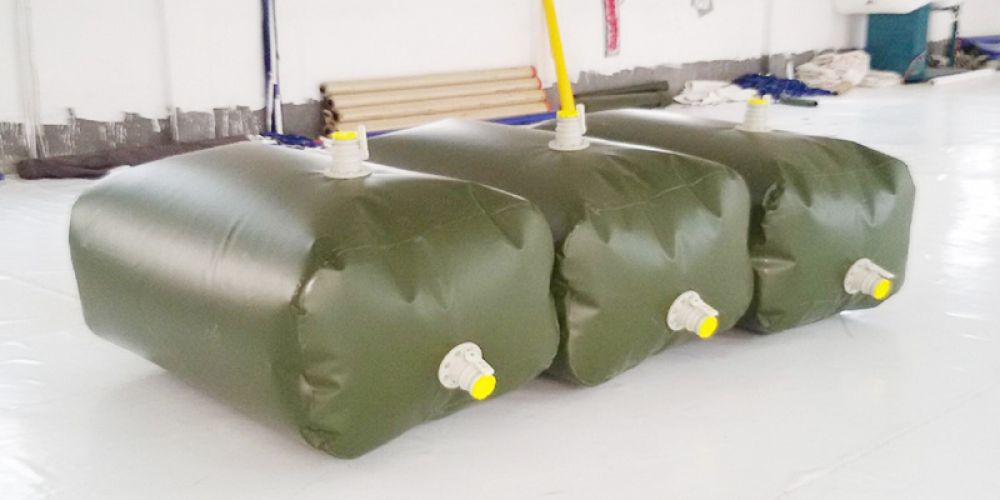
I. Principle of High-Frequency Welding of Oil Bladders High-frequency welding utilizes the skin effect and proximity…
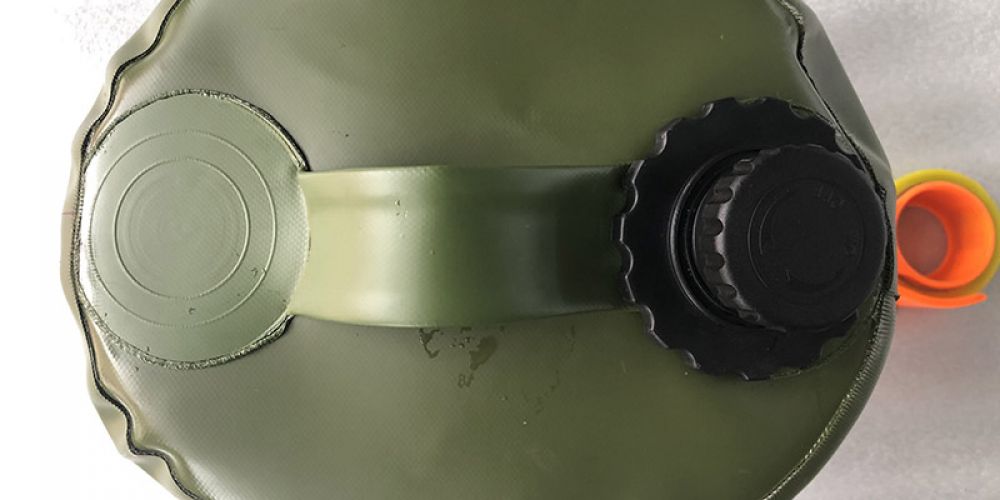
Fuel bladders provide a solid defense for energy transportation safety, primarily due to their material properties…
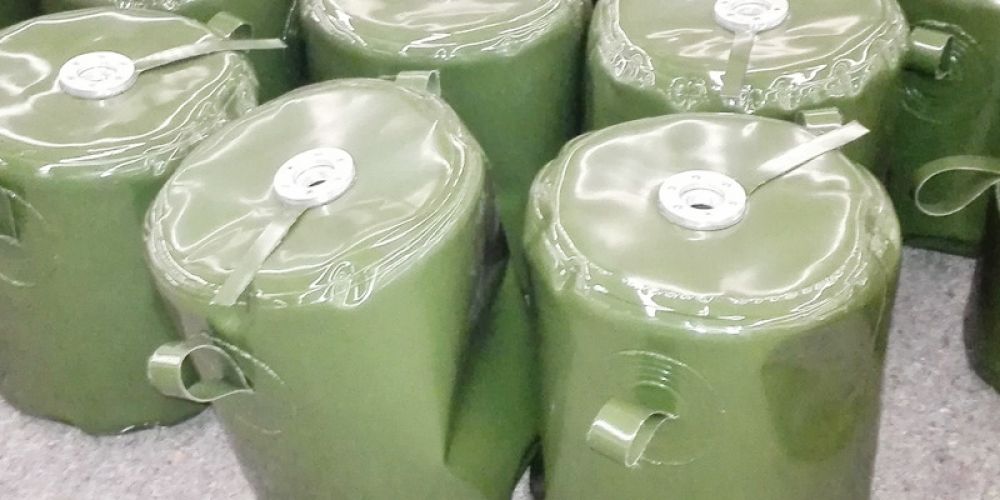
Oil bladders, acting as the "invisible guardians" behind energy transportation, exhibit unique advantages in materials, design…