

.jpg)
Blood bags need to be maintained at a constant temperature of 2-6℃ during transportation. Phase change materials (PCMs) achieve this through their unique phase change properties, specifically as follows:
1. Characteristics of Phase Change Materials: During a phase change (usually a first-order phase change), PCMs can absorb or release a large amount of energy (i.e., phase change enthalpy), and theoretically, the temperature remains constant during the first-order phase change. This characteristic gives them an advantage in temperature regulation, enabling them to absorb or release a large amount of energy during the phase change while maintaining a relatively stable temperature.
2. Application of Phase Change Materials in Blood Bag Transportation
Encapsulation: The blood bag is first wrapped in a tight-fitting bag containing a molecular alloy PCM energy storage material, and then the tight-fitting bag is placed in a sturdy plastic carrying bag. When using insulation equipment containing the molecular alloy PCM energy storage material for insulation, the tight-fitting bag containing the material is first placed in a refrigerator to allow the material to completely change from a liquid to a solid state. The blood bag is then placed inside the tight-fitting bag containing the material for later use.
Temperature Regulation Principle: At room temperature, the phase change energy storage material in the insulated bag absorbs heat from the external environment and undergoes a phase change, thus maintaining the blood bag's temperature within the range of 4℃±2℃. In other words, during the phase change process, the molecular alloy phase change energy storage material ensures the blood bag remains in a near-isothermal state until the material completely transforms into a liquid state, achieving the insulation effect.
3. Experimental Verification of Effect
High-Temperature Experiment: The phase change material was kept at -20℃ for 12 hours, the stored blood (in the blood bag) was at 4℃, and the ambient temperature was 30℃. After 24 hours, the blood temperature was 4℃; after 48 hours, the temperature was 6℃; and after 72 hours, the temperature was 9℃. This experiment demonstrates that the blood transport box with temperature regulation using a shape-stabilized phase change material can maintain the blood temperature within the range of 4℃-10℃ for 72 hours in a relatively hot environment, and the stored blood is suitable for use.
Low-temperature experiment: The phase change material was maintained at 20℃ for 12 hours, the stored blood (in a blood bag) was at 8℃, and the ambient temperature was -20℃. After 24 hours, the blood temperature was 4℃; after 48 hours, the temperature was 3℃; and after 72 hours, the temperature was 1℃. This experiment demonstrates that the blood transport box with temperature regulation using a shape-stabilized phase change material can maintain the blood temperature within the range of 4℃ - 1℃ for 72 hours in a relatively cold environment, and the stored blood is suitable for use.
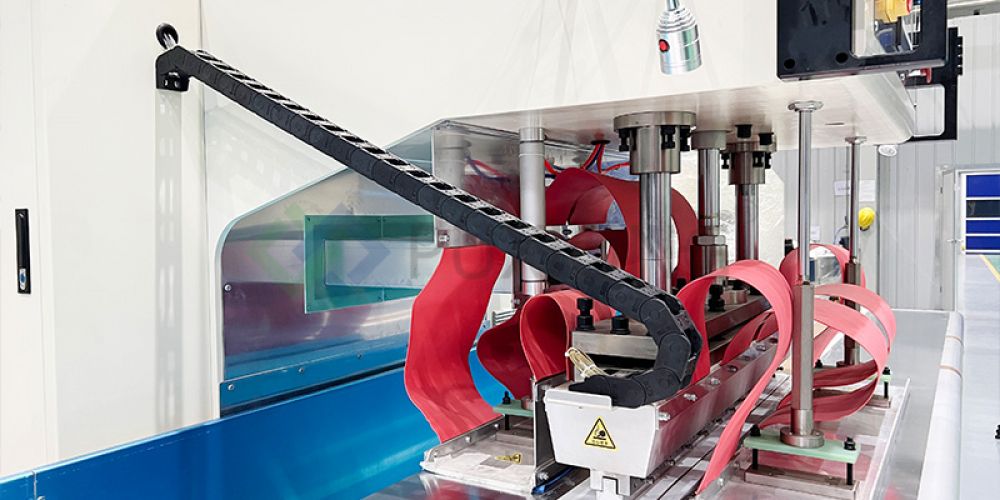
High-frequency welding technology is a key process in tent manufacturing. It achieves precise welding of plastic…
.png)
High-frequency welding and hot air welding for tents differ significantly in principle, applicability, efficiency, and finished…
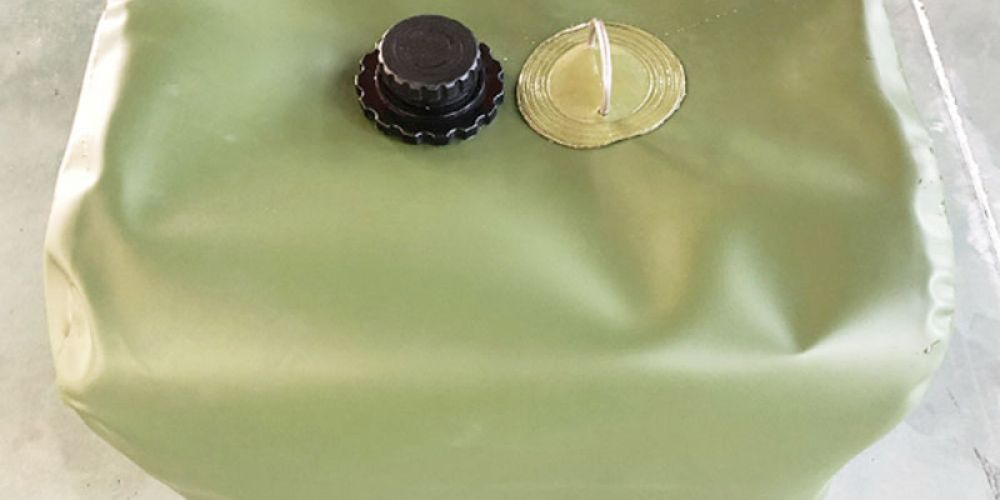
I. Fuel Tanks Revolutionize Energy Transportation 1. Flexible Transportation, Overcoming Spatial Limitations Traditional energy transportation methods…
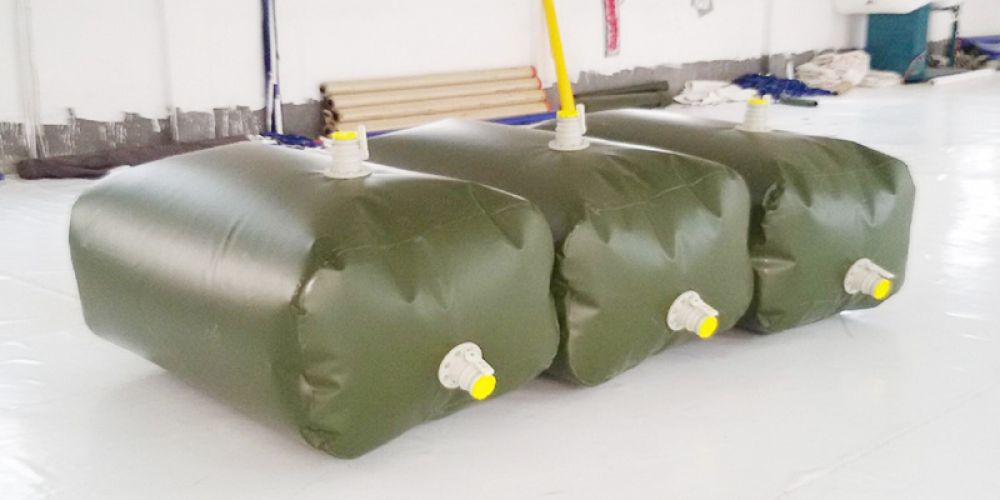
I. Principle of High-Frequency Welding of Oil Bladders High-frequency welding utilizes the skin effect and proximity…
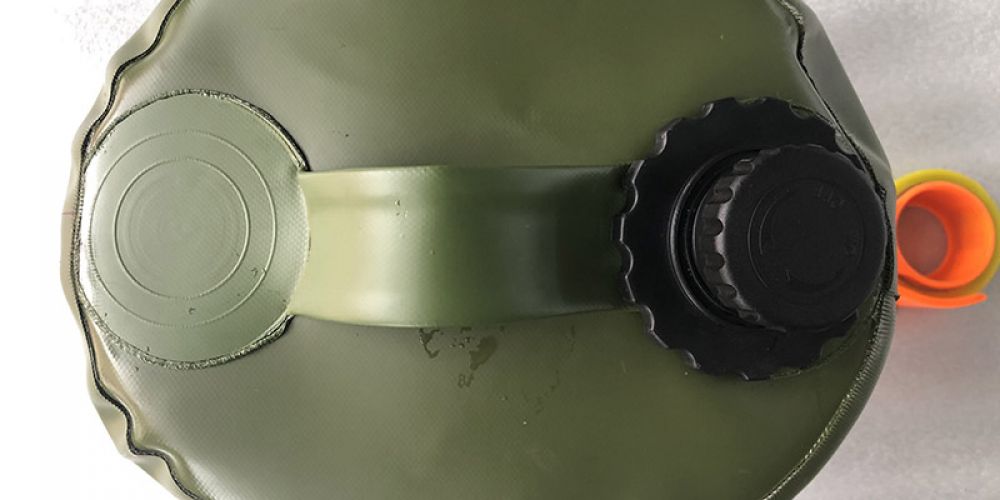
Fuel bladders provide a solid defense for energy transportation safety, primarily due to their material properties…
Oil bladders, acting as the "invisible guardians" behind energy transportation, exhibit unique advantages in materials, design…