

.jpg)
The "leak-proof technology" of drainage bags utilizes a double-layer sealing structure to effectively eliminate the risk of side leakage through multiple physical barriers, optimized material properties, and process design. The following analysis examines this from four dimensions: structural principle, material selection, process assurance, and actual effectiveness:
I. Principle of Double-Layer Sealing Structure
1. Dual Physical Barriers
The double-layer structure consists of an inner bag body (in direct contact with the liquid) and an outer protective layer (for reinforcement and redundant protection).
Inner Layer: Utilizes highly flexible, puncture-resistant medical-grade plastic (such as PE/EVA composite film) to ensure safe liquid storage.
Outer Layer: Uses high-strength materials (such as nylon composite film) to provide mechanical support and prevent damage to the inner layer due to external pressure or puncture.
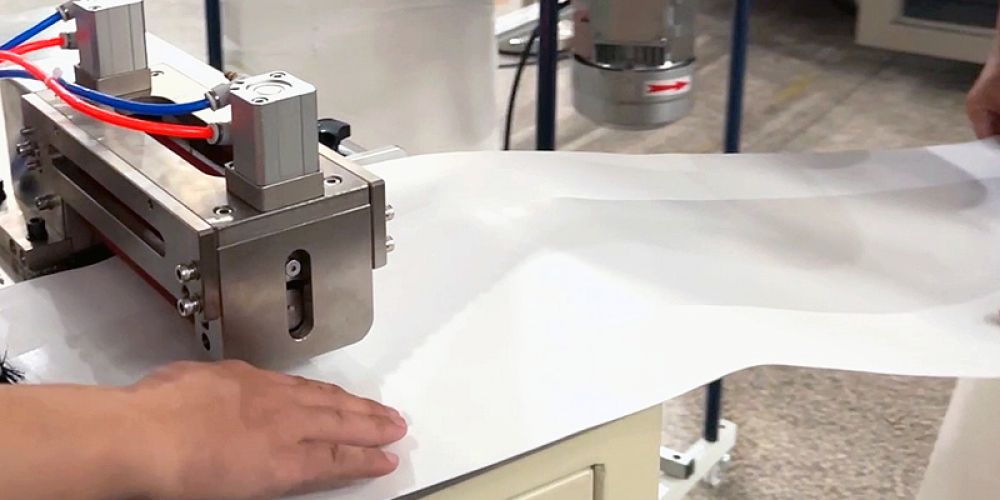
Interlayer Bonding: Through hot-melt or high-frequency welding technology, the two layers are tightly bonded, eliminating gaps and preventing liquid penetration.
2. Side Leakage Risk Prevention Mechanism
Transverse Sealing Reinforcement: A double-layer heat-sealing process is used on the sides of the drainage bag (areas prone to stress), forming two independent sealing lines. Even if the outer seal is slightly damaged by external force, the inner seal can still independently block liquid.
Edge Redundancy Design: The double-layer structure forms a "buffer zone" at the edges. Even if one layer cracks due to stress concentration, the other layer can still maintain its sealing function.
II. Material Selection and Leakage Prevention Performance
1. Inner Layer Material Characteristics
Puncture Resistance: Made of high-strength polyethylene (PE) or ethylene-vinyl acetate copolymer (EVA), it can withstand slight contact with sharp objects such as needles and hard objects without breaking.
Low Coefficient of Friction: Reduces liquid residue and lowers the risk of side leakage due to wall adhesion.
Chemical Stability: Resistant to corrosion from bodily fluids such as urine and blood, preventing leakage caused by material aging.
2. Outer Layer Material Characteristics
High Toughness: Nylon (PA) or polyester (PET) composite film provides tear and puncture resistance, protecting the inner layer from external damage.
Heat-Sealing Compatibility: Has a similar melting point range to the inner layer material, ensuring the reliability of the double-layer heat-sealing process.
III. Process Assurance and Quality Control
1. Double-Layer Heat Sealing Technology
Heat Sealing Parameter Optimization: By controlling temperature, pressure, and time, the two layers of material are ensured to fully fuse in the heat-sealing area, forming a uniform and continuous seal line.
Seal Strength Testing: Burst pressure testing (e.g., ≥50kPa) and peel strength testing (e.g., ≥15N/15mm) are used to verify the reliability of the double-layer seal.
2. Edge Reinforcement Process
Rounded Corner Design: The edges of the drainage bag adopt a large radius rounded corner to reduce stress concentration and lower the risk of seal line cracking.
Reinforcing Patches: High-strength patches are added to stress-prone areas (such as hanging holes and connections) to enhance local structural strength.
.jpg)
Welded tensile membrane structures are widely used in landscape architecture and offer significant advantages. The following…

Gas storage bags play a vital role in industrial production by storing gases, regulating pressure, enhancing…
The welding process for PVDF-coated membrane fabrics offers significant competitive advantages over other welding methods, particularly…

I. Application Scenarios for Tensile Membrane Structures Due to their unique mechanical properties and aesthetic versatility…
I. Characteristics of Tensile Membrane Structures 1. Diverse forms and strong artistic appeal: Through the tensioning…
Significant breakthroughs have been achieved in the research and development of new materials for gas storage…