

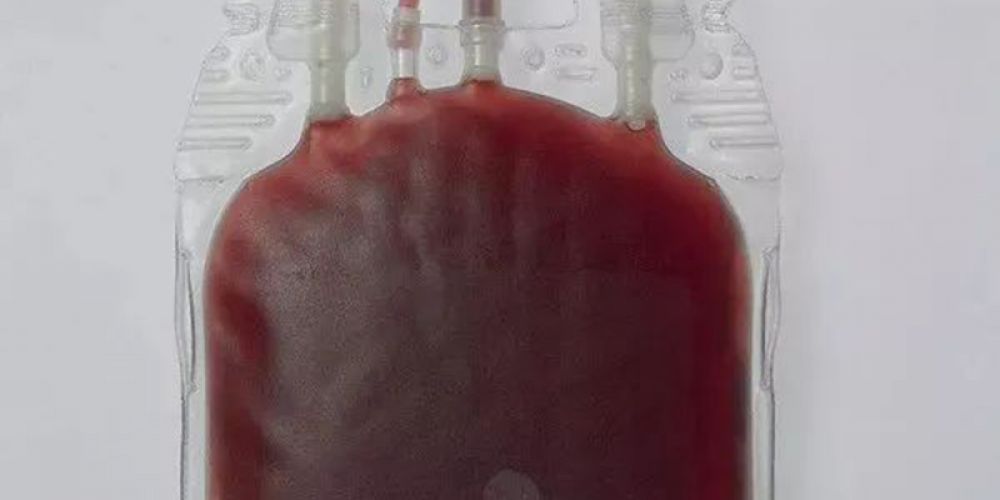
From a safety and convenience perspective, PVC and PE blood bags each have their advantages and disadvantages, as analyzed below:
I. Safety
1. PVC Blood Bags
Advantages: PVC is a low-cost amorphous plastic with excellent chemical resistance and antimicrobial properties, high mechanical strength, and good flexibility.
Disadvantages: As a polar material, PVC can adsorb certain drugs, and approximately 30% of its plasticizer, DEHP, poses a risk of migration into the bloodstream, potentially harming the health of transfusion recipients.
2. PE Blood Bags
Advantages: PE blood bags are favored due to their good chemical stability and biocompatibility. PE material is non-toxic, odorless, and has no adverse effects on blood components, making it one of the mainstream materials in modern blood bag manufacturing.
Disadvantages: PE bags have lower transparency and poorer abrasion resistance, making them prone to wear and tear. However, these disadvantages have a relatively small direct impact on blood safety.
II. Convenience
1. PVC Blood Bags
Advantages: PVC resin has lower cost, wider application range, and is easy to process, giving PVC blood bags a cost advantage in production and enabling large-scale production to meet clinical needs.
Disadvantages: Due to issues with the plasticizer DEHP, companies are developing safer alternatives, which may limit and challenge the production and use of PVC blood bags.
2. PE Blood Bags
Advantages: PE material does not harden or crack at low temperatures, has a longer service life, and its production process is more environmentally friendly, using renewable resources as its main raw materials. Furthermore, PE blood bags can be stored flat or hung, facilitating transportation and management and preventing damage to blood component quality due to improper storage and transportation.
Disadvantages: PE bags are less transparent than PVC bags, making it less convenient to observe blood conditions.
.jpg)
Welded tensile membrane structures are widely used in landscape architecture and offer significant advantages. The following…

Gas storage bags play a vital role in industrial production by storing gases, regulating pressure, enhancing…
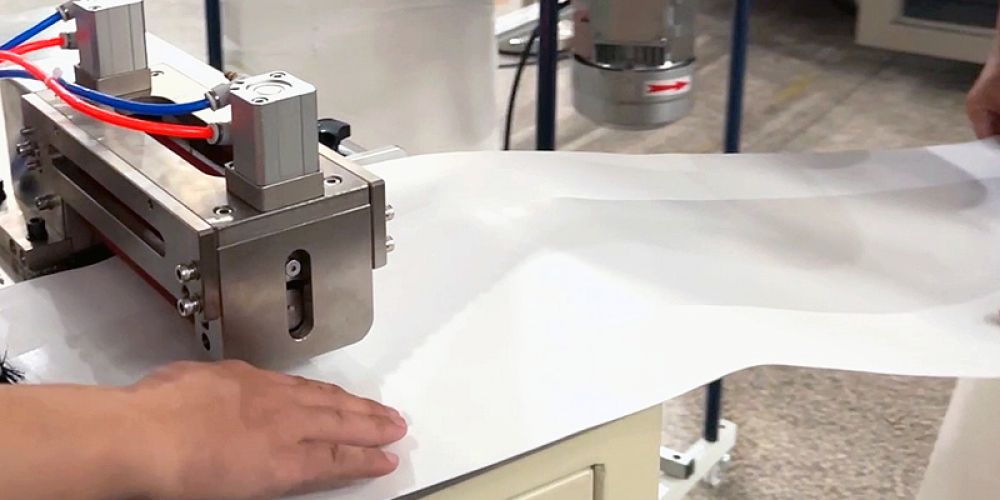
The welding process for PVDF-coated membrane fabrics offers significant competitive advantages over other welding methods, particularly…

I. Application Scenarios for Tensile Membrane Structures Due to their unique mechanical properties and aesthetic versatility…
I. Characteristics of Tensile Membrane Structures 1. Diverse forms and strong artistic appeal: Through the tensioning…
Significant breakthroughs have been achieved in the research and development of new materials for gas storage…