

.jpg)
Ensuring the quality and safety of blood in blood bags requires a multi-pronged approach, encompassing blood bag material selection, production quality control, storage and transportation management, and standardized usage procedures. The following is a detailed introduction:
I. Blood Bag Material Selection
1. PVC Material: PVC blood bags are low-cost, widely applicable, and easy to process, allowing for large-scale production to meet clinical needs. However, as a polar material, PVC can adsorb certain drugs, and approximately 30% of its plasticizer, DEHP, poses a risk of migrating into the bloodstream, potentially harming the health of transfusion recipients.
2. PE Material: PE blood bags possess good chemical stability and biocompatibility, are non-toxic and odorless, and have no adverse effects on blood components, making them one of the mainstream materials in modern blood bag manufacturing. However, PE bags have lower transparency and poor abrasion resistance, making them prone to wear and tear.
II. Storage and Transportation Management
1. Temperature Control: Whole blood and red blood cells should be stored in a refrigerated environment at 2-6 degrees Celsius. This low temperature helps prolong the survival time of red blood cells, thereby maintaining their transfusion efficacy. Platelets have more stringent temperature requirements and need to be stored under agitated conditions at 20-24℃.
2. Prevent contamination: Strict aseptic procedures must be followed when handling blood bags to prevent any external contaminants from coming into contact with the blood. Equipment such as puncture needles and transfusion tubing must be kept sterile.
3. Regular inspection: Regularly check blood bags for damage, leakage, or discoloration. Blood discoloration may be a sign of hemolysis; if any abnormality is found, use should be stopped immediately and professional testing should be conducted.
4. Labeling: Each blood bag must be clearly labeled with the donation date, type, expiration date, and other important information for verification before use, ensuring blood quality and safety.
5. Disposal of expired blood bags: Blood bags exceeding their shelf life must be disposed of according to hospital and relevant department regulations to avoid misuse and adverse consequences. If unexpected temperature increases occur during storage, blood bags must be promptly assessed, and a decision on whether to continue use or dispose of them should be made based on the actual situation.
III. Usage Procedures
1. Information Verification: Before using a blood bag, medical staff must carefully verify the label information on the blood bag, including the donation date, type, and expiration date, to ensure that the blood matches the patient's information and avoid serious medical accidents such as transfusing the wrong blood type.
2. Standardized Operation: Medical staff should strictly follow the operating procedures for blood transfusions to avoid blood contamination or transfusion reactions due to improper operation. For example, when connecting transfusion equipment, ensure that the interface is sealed well to prevent air from entering.
.jpg)
Welded tensile membrane structures are widely used in landscape architecture and offer significant advantages. The following…

Gas storage bags play a vital role in industrial production by storing gases, regulating pressure, enhancing…
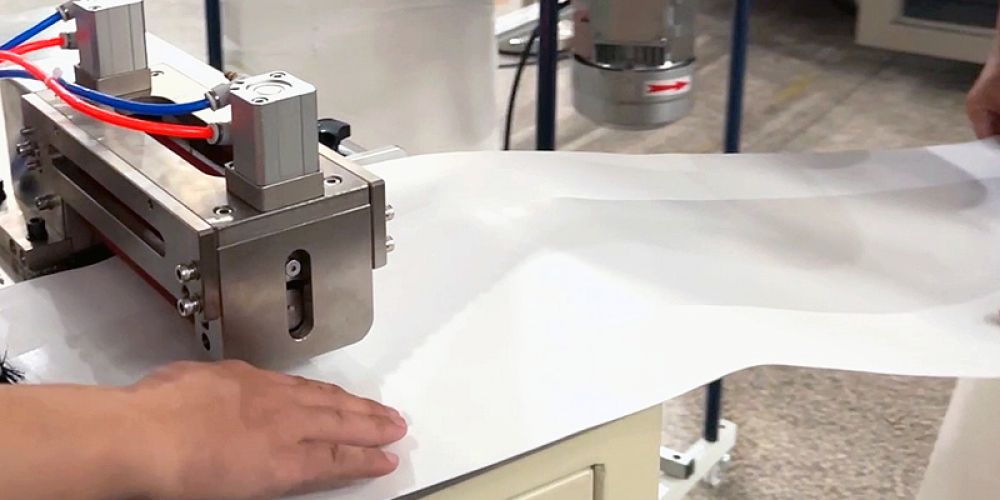
The welding process for PVDF-coated membrane fabrics offers significant competitive advantages over other welding methods, particularly…

I. Application Scenarios for Tensile Membrane Structures Due to their unique mechanical properties and aesthetic versatility…
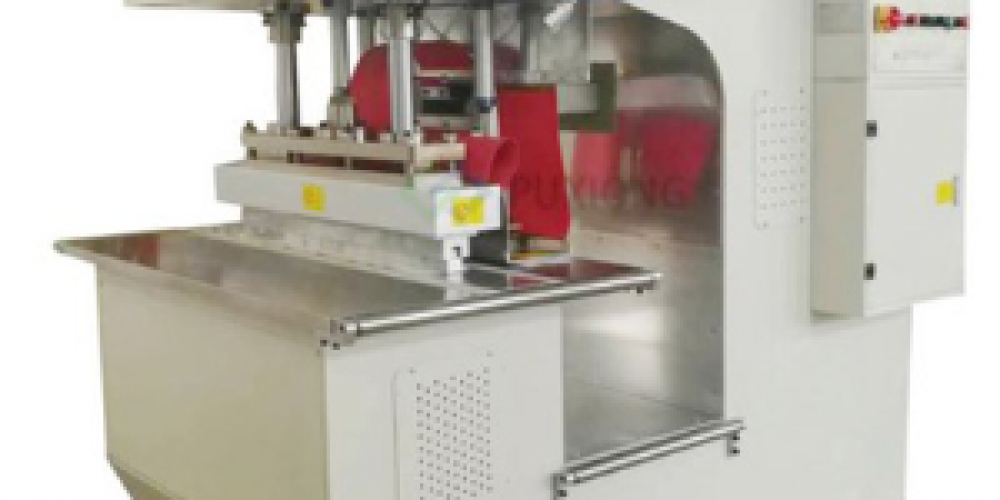
I. Characteristics of Tensile Membrane Structures 1. Diverse forms and strong artistic appeal: Through the tensioning…
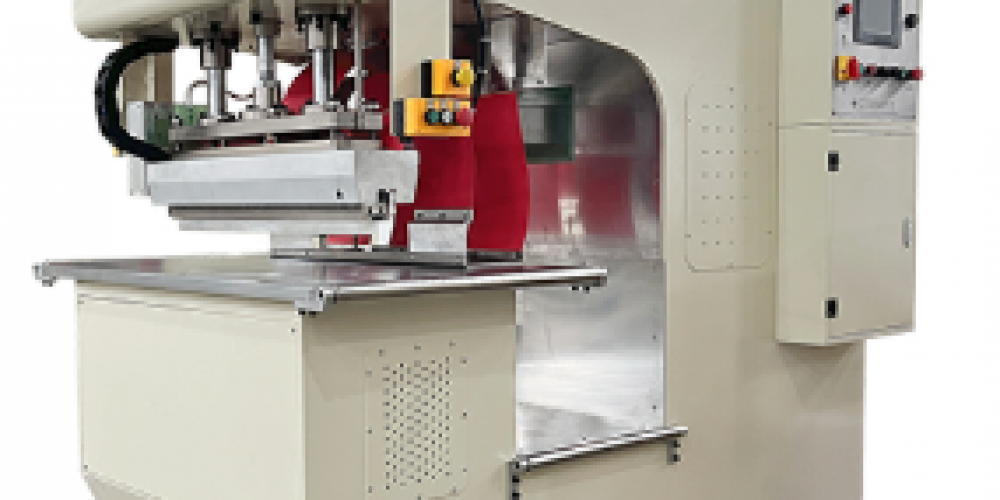
Significant breakthroughs have been achieved in the research and development of new materials for gas storage…