

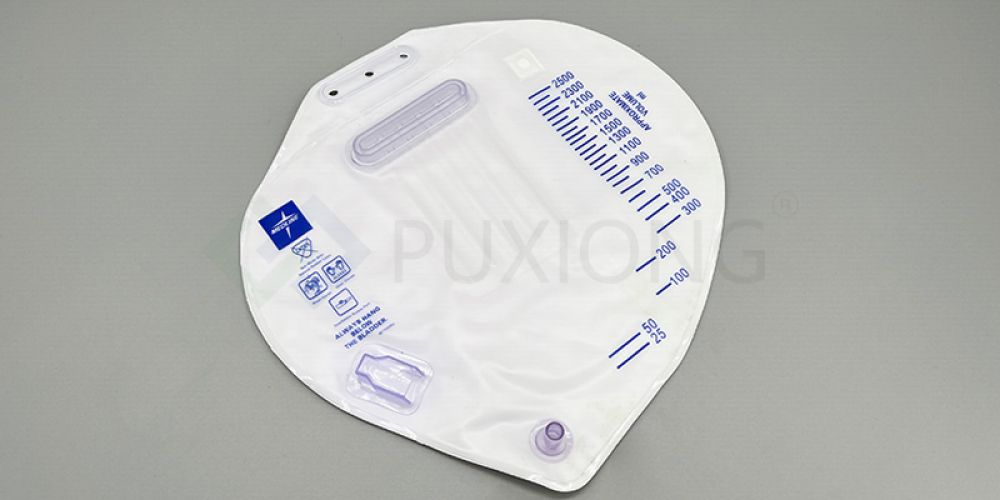
Drainage management is a crucial aspect of care for patients in the Intensive Care Unit (ICU) or long-term hospitalizations. For patients requiring continuous drainage, such as those recovering post-surgery, with ascites, pleural effusion, or urinary retention, large-capacity drainage bags, with their high capacity, low-frequency replacement, and reliable safety, have become indispensable auxiliary tools in intensive care.
I. Pain Points in Drainage Management for Critically Ill Patients
The drainage needs of critically ill patients typically have the following characteristics:
1. Large and continuous drainage volume: For example, patients with post-operative ascites, traumatic hemothorax, or urinary incontinence may experience daily drainage volumes exceeding 1000ml. Traditional small-capacity drainage bags (e.g., 500ml) require frequent changes, increasing the frequency of nursing procedures.
2. High risk of infection: Frequent procedures can easily lead to interface contamination, skin contact, or retrograde infection, especially in immunocompromised critically ill patients, potentially causing serious complications.
3. Heavy Nursing Burden: Medical staff need to monitor the drainage bag status regularly, and family members may experience anxiety due to frequent changes, affecting nursing efficiency and patient experience.
4. Restricted Mobility: Long-term bedridden patients need to keep the drainage tube fixed, and small-capacity bags require frequent emptying or replacement, restricting patient positioning or movement.
II. Core Advantages of Large-Capacity Drainage Bags
Addressing the above pain points, large-capacity drainage bags optimize the nursing process through the following design:
1. Extended Duration, Reduced Replacement Frequency
Upgraded Capacity: Common sizes are 1000ml, 2000ml, and even 3000ml, requiring only 1-2 replacements per day, reducing the frequency of nursing operations.
Applicable Scenarios: Suitable for scenarios requiring continuous drainage, such as abdominal drainage, closed thoracic drainage, and urinary incontinence management.
2. Anti-Backflow Design, Reduced Infection Risk
One-way Valve: Built-in anti-backflow device prevents drainage fluid from flowing back into the body, reducing the risk of retrograde infection.
3. Sealed Interface: Utilizes screw-on or snap-on interfaces to ensure a secure connection and prevent leakage or contamination.
4. Humanized Design for Enhanced Patient Comfort
Transparent Grading: Clearly marked volume scales allow healthcare personnel to remotely observe the color, consistency, and volume of drainage fluid.
Bottom Drain Valve: Allows for easy emptying of drainage fluid without disassembly, reducing manual contact and the risk of contamination.
Portable Hanging Ring: Can be fixed to the bedside or a movable support, adapting to changes in patient position and minimizing tubing strain.
5. Safe Materials for Long-Term Use
Medical-Grade PVC/TPU Material: Non-toxic and hypoallergenic, reducing skin irritation and suitable for patients with sensitive skin.
Stretch and Compression Resistance: Highly flexible tubing prevents blockage or breakage due to patient movement or turning.
.jpg)
Welded tensile membrane structures are widely used in landscape architecture and offer significant advantages. The following…

Gas storage bags play a vital role in industrial production by storing gases, regulating pressure, enhancing…
The welding process for PVDF-coated membrane fabrics offers significant competitive advantages over other welding methods, particularly…

I. Application Scenarios for Tensile Membrane Structures Due to their unique mechanical properties and aesthetic versatility…
I. Characteristics of Tensile Membrane Structures 1. Diverse forms and strong artistic appeal: Through the tensioning…
Significant breakthroughs have been achieved in the research and development of new materials for gas storage…