

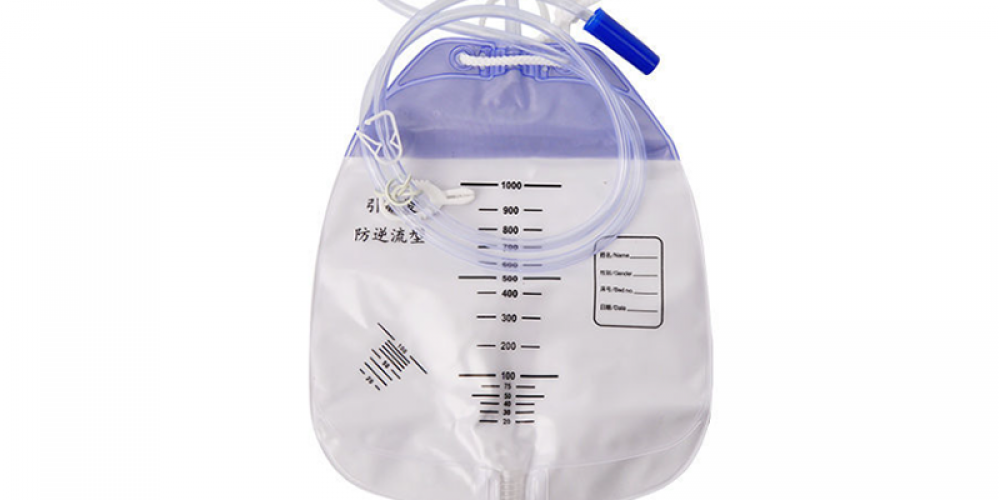
Drainage bags are essential medical devices used in healthcare to collect and store excess fluids (such as blood, urine, and exudate) in the human body. They are widely used in surgery, internal medicine, and intensive care. Typical applications include: postoperative drainage (collecting exudate after abdominal, thoracic, and orthopedic surgeries to reduce infection risk and promote wound healing); urinary system management (collecting urine for patients with urinary incontinence, urinary retention, or after urological surgery to prevent skin damage and infection); intensive care and long-term care (monitoring fluid balance in critically ill patients and managing fluid accumulation in patients with multiple organ failure or chronic diseases); trauma and emergency management (emergency drainage of hemothorax, abdominal bleeding, etc., to relieve symptoms and buy time for treatment); home care and rehabilitation management (supporting postoperative home rehabilitation or long-term use by patients with chronic diseases, improving quality of life and reducing medical costs); and special medical scenarios (such as fluid management during interventional surgery, intraperitoneal chemotherapy, or extracorporeal circulation).
Drainage bags have wide applications in healthcare, including postoperative home rehabilitation or long-term use by patients with chronic diseases, improving quality of life and reducing medical costs. The selection of drainage bags requires comprehensive consideration of factors such as capacity, material (e.g., medical-grade PVC, TPU), anti-backflow design, clarity of markings, and interface fixing method to ensure safety and functionality. With technological advancements, drainage bags will evolve towards intelligent and user-friendly designs, further optimizing clinical application outcomes.
.jpg)
Welded tensile membrane structures are widely used in landscape architecture and offer significant advantages. The following…

Gas storage bags play a vital role in industrial production by storing gases, regulating pressure, enhancing…
The welding process for PVDF-coated membrane fabrics offers significant competitive advantages over other welding methods, particularly…

I. Application Scenarios for Tensile Membrane Structures Due to their unique mechanical properties and aesthetic versatility…
I. Characteristics of Tensile Membrane Structures 1. Diverse forms and strong artistic appeal: Through the tensioning…
Significant breakthroughs have been achieved in the research and development of new materials for gas storage…