

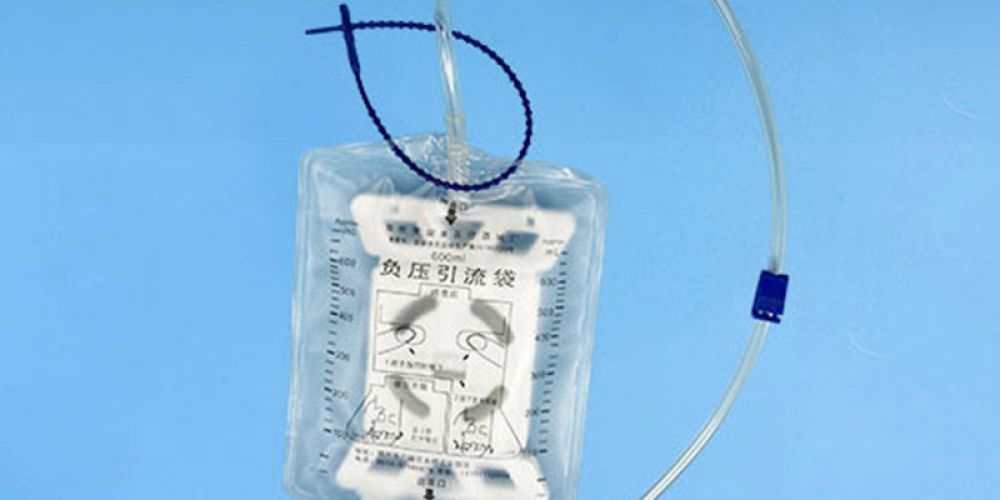
I. Rapid Welding: An Accelerator for Improved Production Efficiency
In the medical supplies manufacturing industry, time equals efficiency, and efficiency equals competitiveness. Traditional methods of welding drainage bags often suffer from slow welding speeds and low efficiency, making it difficult to meet the demands of large-scale production. High-frequency welding technology, with its rapid welding speed, acts as an accelerator for improved production efficiency.
High-frequency welding utilizes a high-frequency electromagnetic field to generate eddy currents within the material, rapidly generating heat and melting the material in a short time to achieve welding. Compared to traditional hot-melt welding, high-frequency welding eliminates the need for lengthy preheating and cooling processes, significantly reducing welding time.
For example, welding a drainage bag using traditional methods might take several minutes or even longer, while high-frequency welding can complete the welding in just a few seconds, significantly improving production efficiency. For medical supplies manufacturers, increased production efficiency means producing more drainage bags in a shorter time to meet market demand. This not only helps companies reduce costs and increase profits but also ensures that hospitals and other medical institutions receive a timely and sufficient supply of drainage bags, guaranteeing the normal operation of medical services. Rapid production capacity is especially crucial in the face of public health emergencies or large-scale medical needs.
II. Precision Welding: The "Guardian" of Product Quality
Besides rapid welding, precision is also a key indicator of the welding quality of drainage bags. Drainage bags need excellent sealing and structural stability to prevent liquid leakage and contamination. High-frequency welding technology, through precise control of welding parameters such as welding temperature, pressure, and time, enables precise welding, ensuring the quality of the weld seams in drainage bags. During high-frequency welding, advanced control systems can monitor and adjust welding parameters in real time, ensuring consistent welding quality for every drainage bag. The width, depth, and strength of the weld seam can be precisely controlled, avoiding problems such as leakage and rupture caused by uneven welding.
For example, for drainage bags with extremely high sealing requirements, such as those used to collect high-risk fluids or those requiring long-term use, high-frequency welding technology ensures that the weld seam achieves a very high standard of sealing, effectively preventing liquid leakage and ensuring patient safety. Precision welding also improves the overall structural stability of the drainage bag. The strength of the weld seam directly affects the service life and reliability of the drainage bag. High-frequency welding technology enables a tight bond between the weld seam and the main material of the drainage bag, forming a unified whole and enhancing the bag's tensile, compressive, and tear resistance. Even in complex medical environments, such as during patient movement and transport, the drainage bag maintains good structural stability and is not easily damaged.
III. High-Quality Consumables: A "Shield" for Enhanced Medical Safety
The rapid and precise high-frequency welding technology lays the foundation for creating high-quality drainage bag medical consumables. High-quality drainage bags not only meet the actual needs of the medical process but also improve medical safety, safeguarding patients' health.
On the one hand, high-quality drainage bags effectively prevent fluid leakage and cross-infection. During medical procedures, the fluid collected by the drainage bag may contain various pathogens and harmful substances. If the drainage bag is not well-sealed, fluid leakage can contaminate the surrounding environment and may lead to infection of medical staff and other patients. High-frequency welded drainage bags have excellent sealing properties, effectively preventing fluid leakage and reducing the risk of cross-infection.
On the other hand, high-quality drainage bags improve patient comfort and treatment outcomes. The comfort of using a drainage bag directly impacts the patient's treatment experience. Leaks or ruptures in the drainage bag can cause unnecessary pain and distress for the patient. High-quality drainage bags, on the other hand, work stably and reliably, reducing patient anxiety and discomfort, helping patients better cooperate with treatment, and improving treatment outcomes.
.jpg)
Welded tensile membrane structures are widely used in landscape architecture and offer significant advantages. The following…

Gas storage bags play a vital role in industrial production by storing gases, regulating pressure, enhancing…
The welding process for PVDF-coated membrane fabrics offers significant competitive advantages over other welding methods, particularly…

I. Application Scenarios for Tensile Membrane Structures Due to their unique mechanical properties and aesthetic versatility…
I. Characteristics of Tensile Membrane Structures 1. Diverse forms and strong artistic appeal: Through the tensioning…
Significant breakthroughs have been achieved in the research and development of new materials for gas storage…