

.jpg)
High-frequency welding technology offers significant advantages over traditional welding techniques, especially in fields requiring high sealing, safety, and production efficiency, such as medical devices (e.g., drainage bags). The following is a comparative analysis of high-frequency welding and traditional welding technologies, highlighting the latter's core advantages:
I. Welding Efficiency and Speed
1. High-Frequency Welding
**Fast Heating Speed:** The high-frequency electromagnetic field acts directly on the material's interior, generating heat through molecular friction. No external heat source preheating is required, resulting in a short welding cycle (typically completed within seconds).
**High Automation:** Can be integrated with production lines for continuous, high-speed welding, suitable for large-scale production.
2. Traditional Welding (e.g., hot plate welding, ultrasonic welding, adhesive bonding, etc.)
**Slow Heating Speed:** Requires energy transfer through external heat sources or mechanical vibration, resulting in longer preheating or welding times.
**Lower Efficiency:** Long welding time per piece, making it difficult to meet the demands of large-scale production.
II. Welding Quality and Sealing
1. High-Frequency Welding
**Strong Sealing:** The weld joint forms a molecular-level fusion, seamless, ensuring no leakage of liquids or gases.
High Welding Strength: Joint strength approaches that of the base material, with excellent tensile and tear resistance.
High Consistency: Welding parameters can be precisely controlled, resulting in stable product quality and a low defect rate.
2. Traditional Welding
Poor Sealing: Hot plate welding is prone to insufficient melting in certain areas due to uneven temperature; adhesives may age or detach.
Insufficient Strength: Ultrasonic welding may result in weak welds due to uneven material thickness; adhesive strength is lower than that of the material itself.
Poor Consistency: Significantly affected by human operation or environmental factors, leading to noticeable fluctuations in product quality.
III. Material Adaptability
1. High-Frequency Welding
Wide Range of Applicable Materials: Can weld various thermoplastics such as PVC, TPU, PE, and PP, especially suitable for medical-grade materials.
Strong Thickness Adaptability: Can weld materials from 0.1mm to several millimeters thick, meeting diverse design requirements.
2. Traditional Welding
Material Limitations: Hot plate welding is sensitive to material melting points; ultrasonic welding has strict requirements on material hardness and thickness; adhesives must be compatible with the material.
Thickness limitations: Ultrasonic welding is difficult to weld materials that are too thick or too thin; adhesives are sensitive to changes in thickness.
.jpg)
Welded tensile membrane structures are widely used in landscape architecture and offer significant advantages. The following…

Gas storage bags play a vital role in industrial production by storing gases, regulating pressure, enhancing…
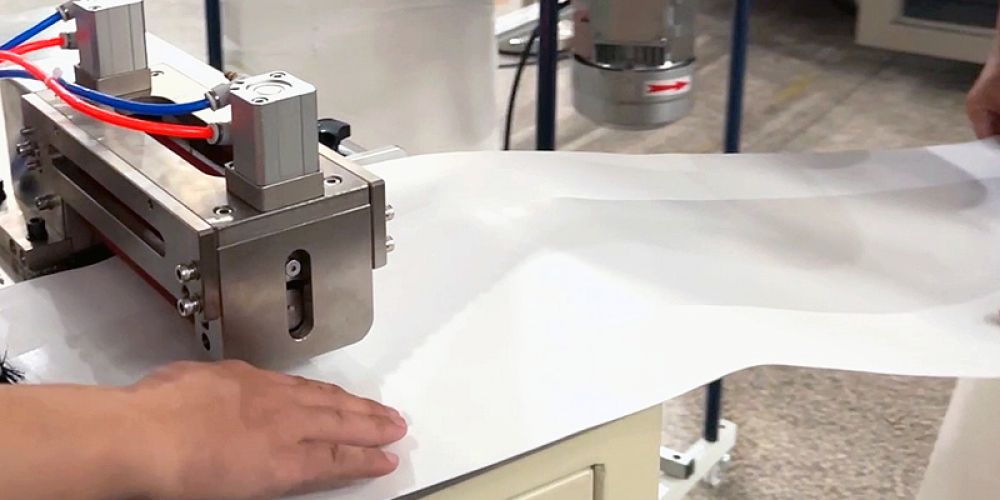
The welding process for PVDF-coated membrane fabrics offers significant competitive advantages over other welding methods, particularly…

I. Application Scenarios for Tensile Membrane Structures Due to their unique mechanical properties and aesthetic versatility…
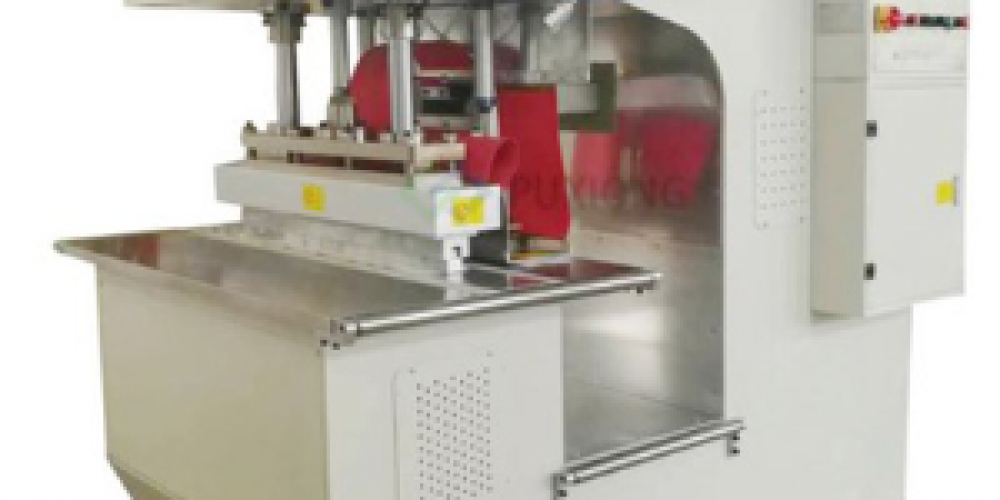
I. Characteristics of Tensile Membrane Structures 1. Diverse forms and strong artistic appeal: Through the tensioning…
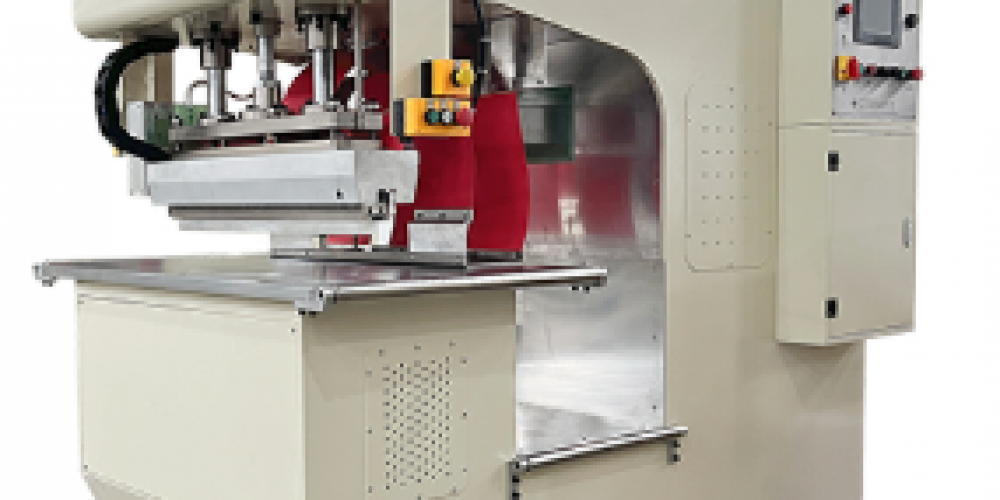
Significant breakthroughs have been achieved in the research and development of new materials for gas storage…