

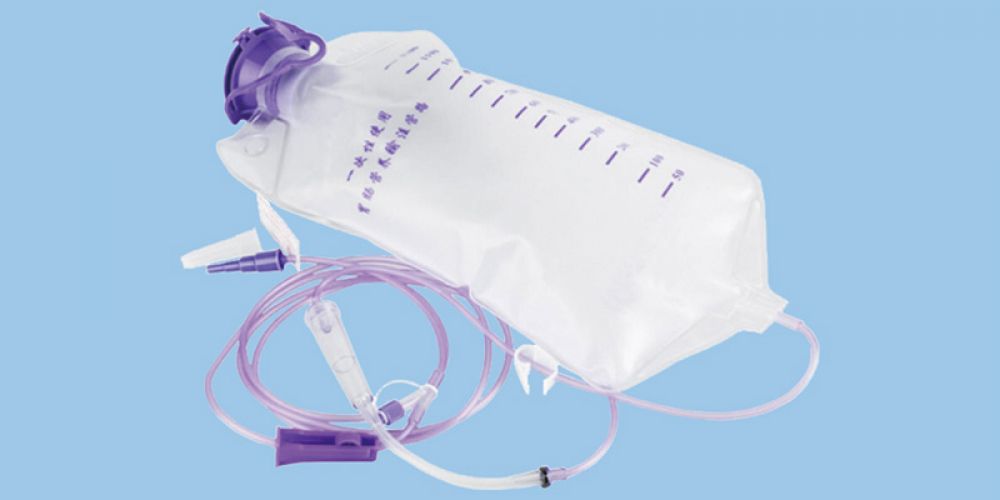
I. Classification by Material Structure
1. Single-Layer Plastic Nutrition Bags
Materials: Primarily made of single plastics such as polyethylene (PE) and polypropylene (PP). Features: Low cost: Simple materials, mature production process, suitable for mass production. Limited barrier properties: Weak barrier ability against oxygen and water vapor, requires the use of deoxidizers or desiccants. Applications: Short-term storage of dried goods (such as nuts, tea), disposable seasoning packets, etc.
2. Composite Material Nutrition Bags
Materials: Composed of multiple layers of plastic films with different functions (such as PE/PET, PE/AL/NY). Features: High barrier properties: Aluminum foil (AL) or nylon (NY) layers effectively block oxygen, water vapor, and light, extending shelf life. High functionality: Antistatic layers, antibacterial layers, or easy-tear designs can be added as needed.
3. Bio-based/Degradable Nutrition Bags
Materials: Made from renewable resources such as polylactic acid (PLA) and starch-based plastics. Features: Biodegradable, reducing plastic pollution, in line with sustainable development trends. Application Scenarios: Packaging for organic food and environmentally conscious brands.
II. Classification by Functional Characteristics
1. Moisture-proof Nutritional Bags
Features: High-barrier material: Uses aluminum foil or aluminized film with extremely low water vapor transmission rate (MVTR).
Application Scenarios: Foods that easily absorb moisture and spoil (e.g., coffee powder, milk powder).
2. Light-proof Nutritional Bags
Features: Light-blocking material: Uses black or dark-colored plastic, or adds UV absorbers.
Application Scenarios: Light-sensitive nutritional supplements (e.g., vitamins, fish oil).
3. Anti-oxidation Nutritional Bags
Features: Gas barrier layer: Combined with nitrogen filling or oxygen absorbers, extends the shelf life of food.
Application Scenarios: High-fat foods (e.g., nuts, chocolate), easily oxidized nutritional supplements (e.g., nut butter).
4. Easy-tear Nutritional Bags
Features: Laser-perforated or weakened line design: Allows consumers to easily tear the packaging by hand.
Application scenario: Single-use small packages (such as seasoning packets, honey bars).
.jpg)
Welded tensile membrane structures are widely used in landscape architecture and offer significant advantages. The following…

Gas storage bags play a vital role in industrial production by storing gases, regulating pressure, enhancing…
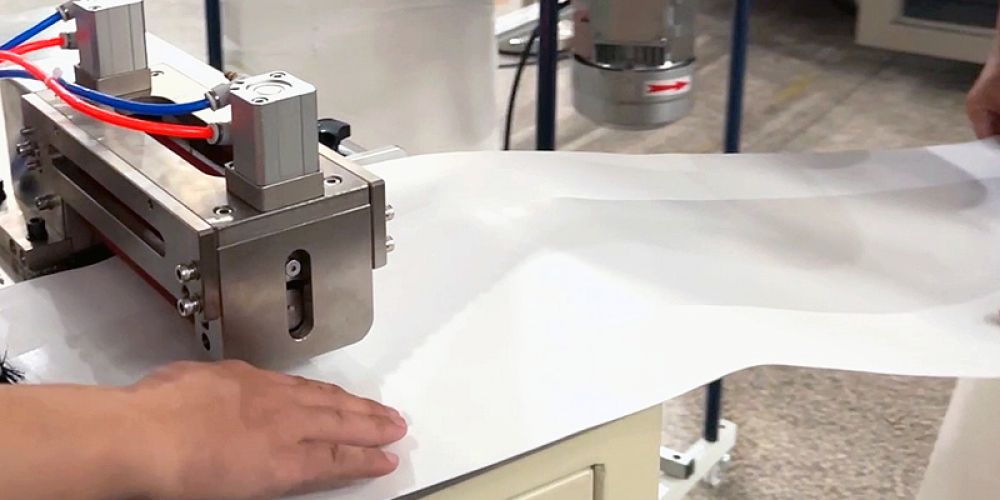
The welding process for PVDF-coated membrane fabrics offers significant competitive advantages over other welding methods, particularly…

I. Application Scenarios for Tensile Membrane Structures Due to their unique mechanical properties and aesthetic versatility…
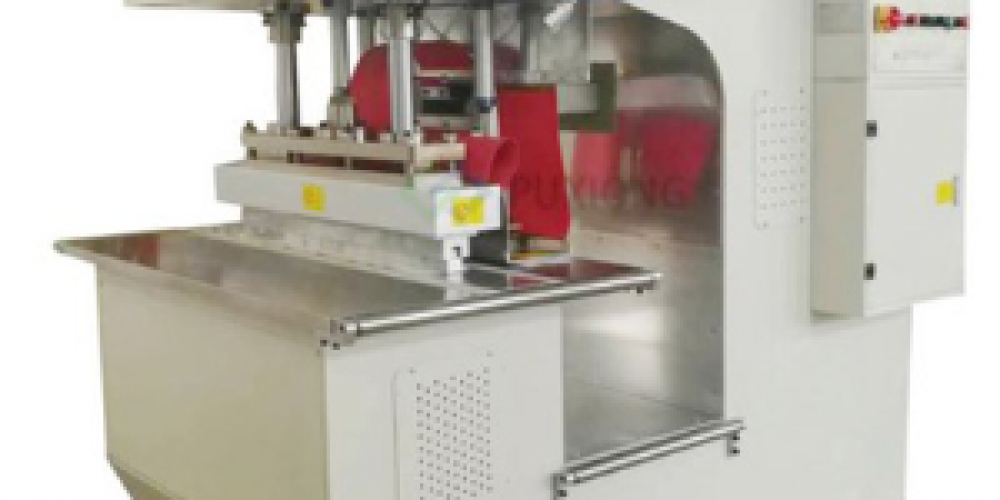
I. Characteristics of Tensile Membrane Structures 1. Diverse forms and strong artistic appeal: Through the tensioning…
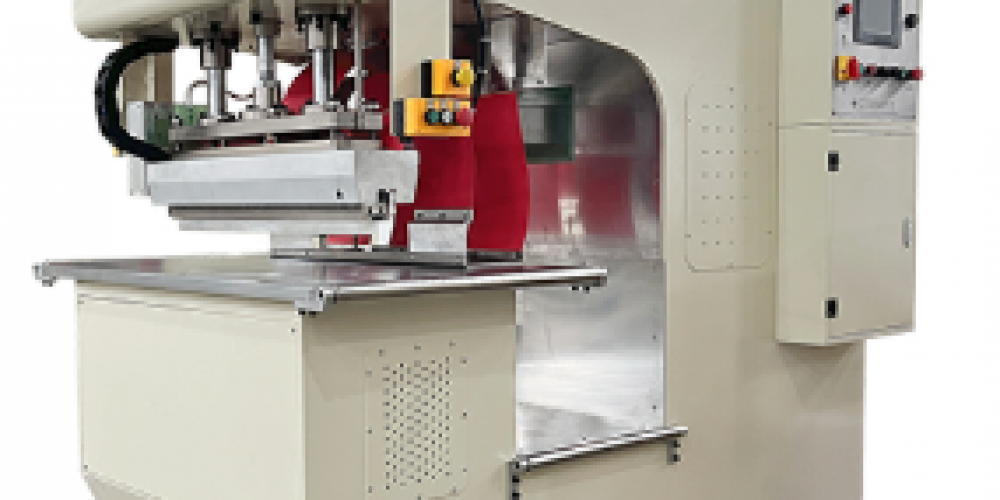
Significant breakthroughs have been achieved in the research and development of new materials for gas storage…