

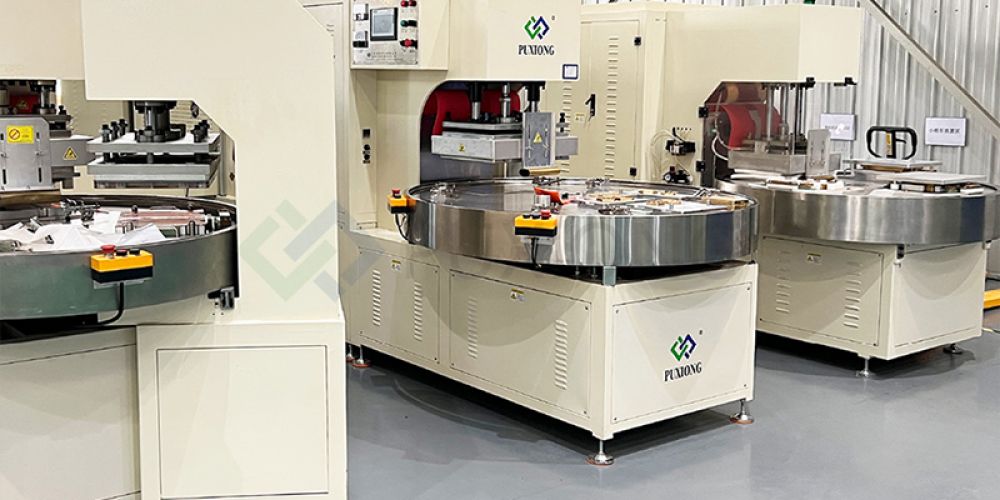
In the medical device field, high-frequency welding technology offers the following significant advantages:
High Efficiency and Energy Saving: High-frequency welding machines utilize induction heating, which does not require contact-based heating and achieves high energy utilization efficiency. They save over 50% more energy compared to traditional resistance welding furnaces. With operating frequencies as high as several thousand hertz, these machines can instantly heat metal or plastic workpieces to the required temperature, significantly improving production efficiency and making them suitable for large-scale manufacturing.
High Welding Quality: High-frequency welding enables precise heating and temperature control, ensuring uniformity and consistency in weld seams and enhancing weld quality. The welded joints exhibit high strength and excellent resistance to pulling, capable of withstanding various stresses encountered during the use of medical devices.
Strong Sealing Performance: Joints formed by high-frequency welding are seamless and highly sealed, effectively preventing liquid or gas leakage. This is particularly critical for medical devices requiring strict sealing, such as drainage bags and infusion tubes, ensuring product safety and reliability.
Strong Material Adaptability: High-frequency welding technology is applicable to a variety of materials, including thermoplastic plastics such as PVC, TPU, PE, and PP, as well as certain metal materials. It accommodates materials of different thicknesses and shapes, meeting the diverse design needs of medical devices.
Eco-Friendly and Pollution-Free: The high-frequency welding process does not require adhesives, solvents, or other chemicals, avoiding the release of harmful substances and complying with environmental requirements for medical products. Additionally, the welding process produces no exhaust gases or wastewater, making it environmentally friendly.
Easy Operation and Reduced Labor Intensity: High-frequency welding machines are easy to operate, requiring only basic training for personnel. With a high degree of automation, these machines can be integrated into automated production lines, reducing labor intensity and improving production efficiency.
High Design Flexibility: High-frequency welding technology can weld complex-shaped components, meeting the demands of medical devices for precise and miniaturized designs. This opens up more possibilities for innovative designs in medical instruments.
Reduced Material Waste: Due to the precision of high-frequency welding, material waste is minimized, lowering production costs. This is especially important for medical devices requiring high-precision welding.
.jpg)
Welded tensile membrane structures are widely used in landscape architecture and offer significant advantages. The following…

Gas storage bags play a vital role in industrial production by storing gases, regulating pressure, enhancing…
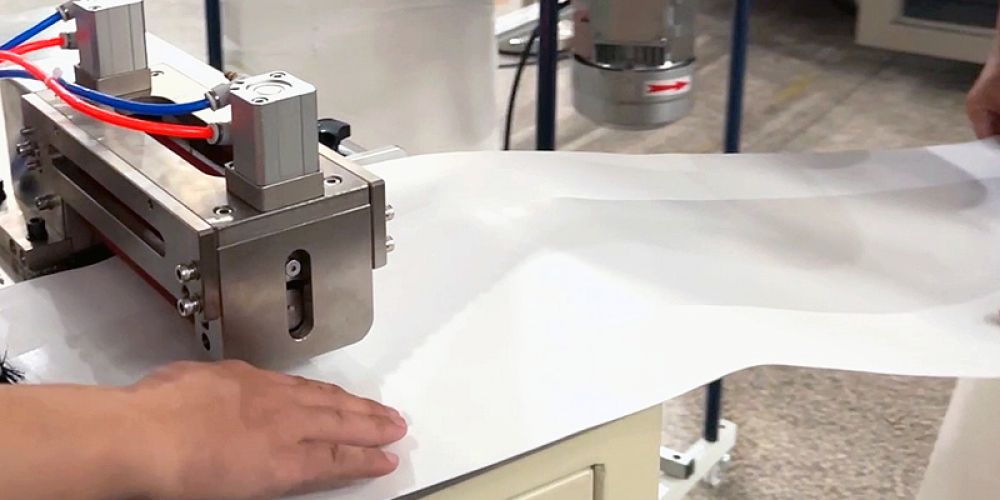
The welding process for PVDF-coated membrane fabrics offers significant competitive advantages over other welding methods, particularly…

I. Application Scenarios for Tensile Membrane Structures Due to their unique mechanical properties and aesthetic versatility…
I. Characteristics of Tensile Membrane Structures 1. Diverse forms and strong artistic appeal: Through the tensioning…
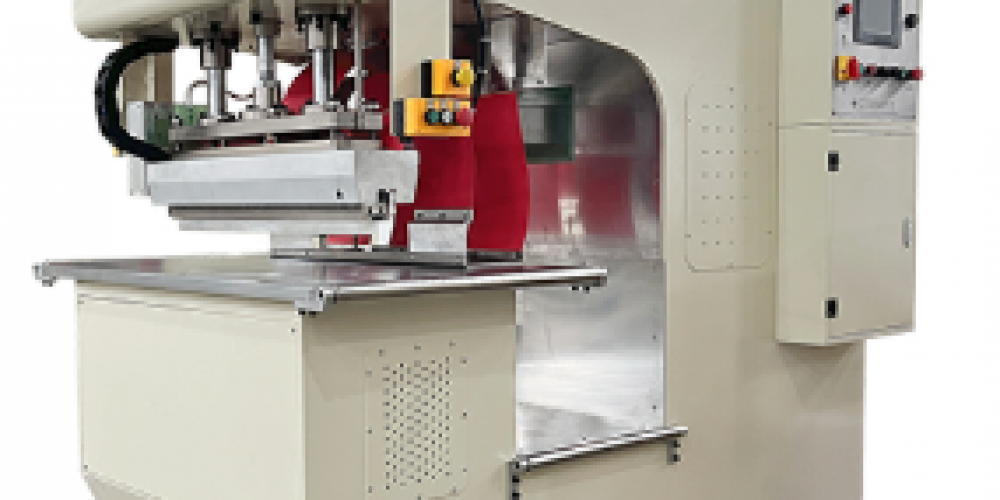
Significant breakthroughs have been achieved in the research and development of new materials for gas storage…